Visto n' Visa
Blog
Notícias e artigos
Destinations
Careers
Immigrants

Want to live and work in the United States?

Personalized immigration plan with eligible visas, costs, and next steps for your goal!

If you are not eligible, you will know exactly why and what to do to improve your approval chances.

Save up to 12 hours in meetings

No pointless assessments.

Save up to 90%

Save money on vague or unfocused consultations

Avoid Fraud and Mistakes

One mistake can cost you your visa

Total Impartiality

Zero commercial bias

Decide with peace of mind

No toxic urgency

Fast and Accurate

Answers in minutes, no guesswork

More about the United States

Fifty states, a thousand opportunities: the world's most sought-after destination for a fresh start.

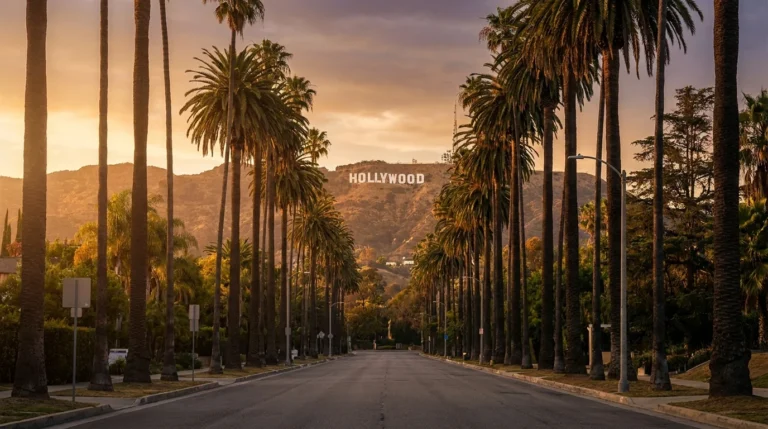
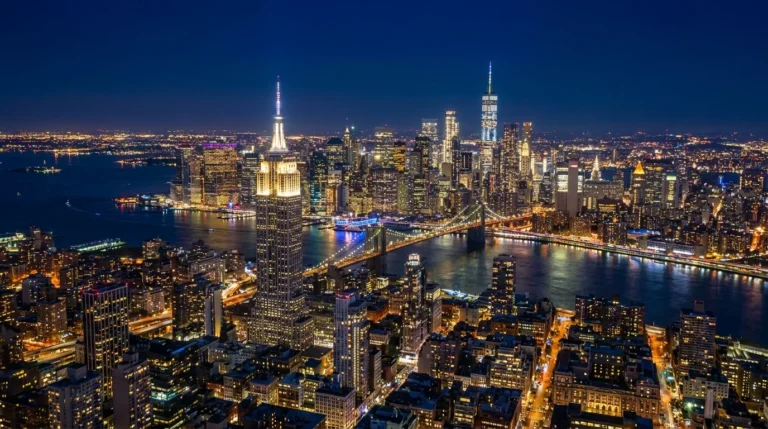
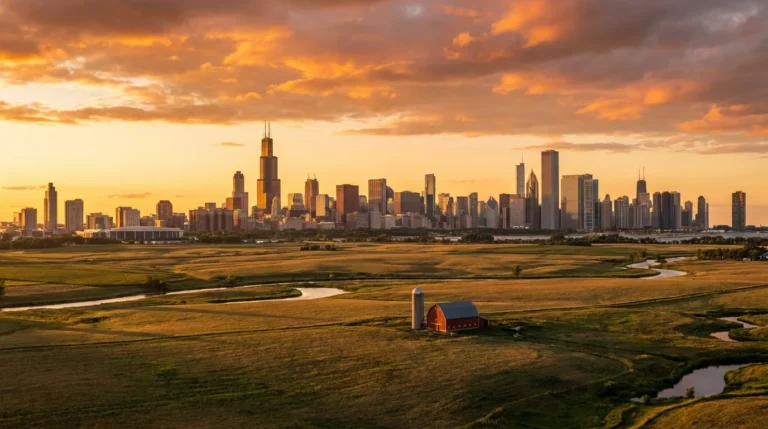
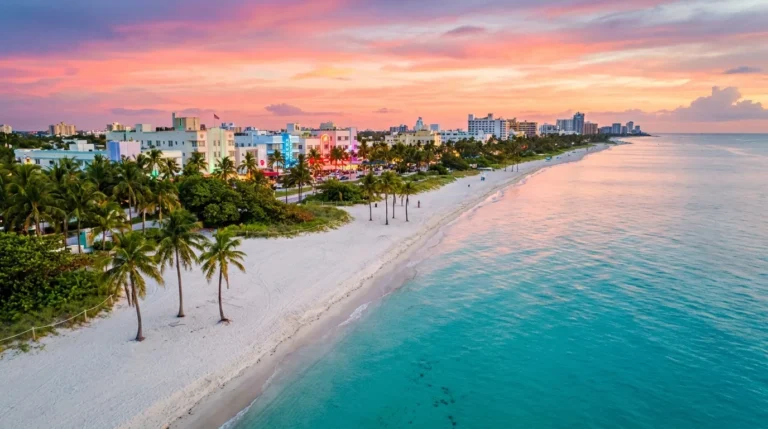
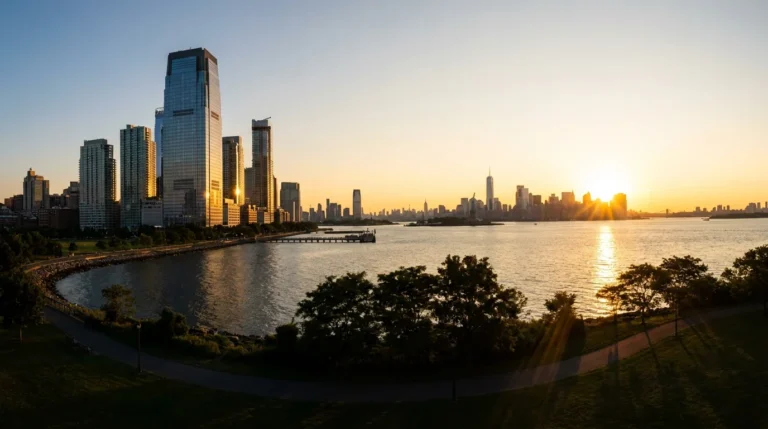
The United States covers nearly all of central North America, plus Alaska and Hawaii. There are 50 states and the District of Columbia (Washington D.C., the capital). The cities most familiar to immigrants are New York (Wall Street, communities from every country), Los Angeles and San Francisco (California, tech and film), Miami (gateway for Latin Americans), Boston (universities), Chicago, and Houston.

Life varies a great deal by region. The Northeast has old, dense cities with cold winters. The South is cheaper, with warm weather and strong population growth (Texas, Florida, Georgia). The Midwest has industry, agriculture, and a low cost of living. The West Coast drives high salaries in tech but expensive housing.

The visa system is complex, with dozens of categories. The most common paths to legal residence are work visas (H-1B, L-1, O-1), investor visas (E-2, EB-5), family visas (IR-1, CR-1, K-1), and employment-based green cards (EB-1, EB-2, EB-2 NIW, EB-3). The Green Card is the permanent residency document and opens the path to citizenship after 3 to 5 years.

Population
334,914,895
Average monthly salary
4,800 USD/mo
38.0000°, -97.0000°

Featured regions

Top 10 regions in the United States

The regions most sought-after by immigrants in this country.

Demographics of the United States: 335 million people and one of the most diverse societies in the world

About 14% of the population was born outside the country. Mexicans, Indians, Chinese, Filipinos, and Salvadorans form the largest communities.

The United States is the third most populous country on the planet. The population is multiracial: white, Hispanic/Latino, African American, Asian, and Indigenous people coexist in varying proportions across each state. California, Texas, and Florida have a strong Latino presence. New York and New Jersey receive immigrants from practically every continent. The Midwest and rural South tend to be less diverse.

The largest immigrant communities are Mexican, Indian, Chinese, Filipino, Vietnamese, Salvadoran, Cuban, Dominican, Korean, and Guatemalan. Large Latino communities live in Los Angeles, Houston, Miami, and New York. Asians have a strong presence in Silicon Valley, Seattle, and the greater New York area. Recent European immigration hubs are concentrated in Boston and Chicago.

English is the language used in daily life, but Spanish is spoken by more than 40 million people and appears on labels, public services, and customer support. In some parts of Florida, Texas, and California it is possible to live almost entirely in Spanish, Mandarin, Vietnamese, or Arabic in the first months. For long-term integration, English is essential.

334,914,895
Population
$80,610
Median income
per year
Languages spoken
  • American English (de facto official)
  • Spanish (strong in California, Texas, Florida, New York)
  • Mandarin and Cantonese Chinese
  • Tagalog
  • Vietnamese
  • +1 more
Main religions
  • Protestant (about 40%)
  • Catholic (about 21%)
  • No religion (about 28%)
  • Jewish (about 2%)
  • Muslim (about 1%)
  • +1 more

Cost of living in the United States: highly variable by city and state

New York and San Francisco rank among the most expensive cities in the world. Mid-sized cities in the South and Midwest offer more affordable costs.

The cost of living changes dramatically depending on the city. New York, San Francisco, Boston, Los Angeles, and Washington D.C. rank among the most expensive in the world, with one-bedroom apartment rent easily exceeding $2,500 per month. Mid-sized cities in Texas, North Carolina, Georgia, and Tennessee offer rents in the $1,200 to $1,800 range, with competitive salaries.

Grocery spending for one person runs between $400 and $600 per month depending on region. Dining out is expensive compared to other countries: a meal at a casual restaurant costs $18 to $30 per person, with a tip of 18 to 22% expected in practice. Public transit is good in New York, Boston, Chicago, and Washington D.C., but in the rest of the country a personal vehicle is practically indispensable.

Utility bills (electricity, gas, water, internet) typically add up to $150 to $250 per month for a one-bedroom apartment, varying considerably with the state's climate. Health insurance without employer subsidy costs between $400 and $800 per month for a healthy adult. Federal and state taxes consume 22 to 35% of gross salary, depending on the state (Texas, Florida, and Nevada have no state income tax).

100Cost index (NYC = 100)same as NYC
CategorySingleCoupleFamily (2 + 2)
iHousing$2,476$3,210$4,289
iFood$428$855$1,568
iTransport$285$522$618
iHealthcare$350$665$1,120
iChildcare$1,800
iOther$350$600$800
Monthly total$3,889$5,852$10,195

Source: U.S. BLS Consumer Expenditure Survey 2023 + BEA Regional Price Parities 2023 · Estimates in USD, monthly.

American job market: the world's largest economy with strong demand in technology, healthcare, and finance

High salaries by global comparison, but with strong variation by state and sector. Technology, healthcare, and finance concentrate the best compensation.

The United States has the world's largest labor market, with around 167 million people in the workforce. The historical unemployment rate ranges between 3.5% and 5%. Sectors with the highest demand include technology (software engineering, data science, AI), healthcare (nursing, medicine, pharmacy), finance (Wall Street, fintech), engineering, education, and logistics.

The federal minimum wage is $7.25 per hour, but most states practice much higher rates. California, Washington, and New York have minimums above $15 per hour. The average annual salary is around $65,000, but technology professionals in Silicon Valley easily exceed $150,000. Registered nurses earn between $75,000 and $110,000 per year, and specialist physicians earn $250,000 and above.

The system is at-will: employers can terminate without cause, and employees can resign at any time. Benefits vary by company, but health insurance, 401(k) (retirement), and PTO (paid time off) are standard in formal positions. For immigrants, H-1B, L-1, O-1, TN, and EB-2/EB-3 visas are the most common paths to employer-sponsored work.

$4,800
Avg net salary
per month
$1,257
Minimum wage
per month
3.6%
Unemployment
62.1%
Labor force
Top national employers
  • Walmart
  • Amazon
  • Apple
  • UnitedHealth Group
  • JPMorgan Chase
  • +3 more

Education in the United States: free public schooling through high school and some of the best universities in the world

Children are entitled to free public school through 12th grade. Top universities are expensive, but scholarships and financing are available.

Children of immigrants, including those without legal status, are entitled to attend public schools (K-12) through high school at no cost. Quality varies greatly between school districts. Neighborhoods with higher property taxes tend to have better schools, which is why many families choose their neighborhood based on the local school.

Higher education is expensive. State public universities charge less for in-state residents, generally between $10,000 and $30,000 per year. Top private universities (Harvard, Stanford, MIT, Yale, Princeton, Columbia) cost $60,000 to $85,000 per year, but offer generous scholarships for low-income families admitted on merit.

For foreign students, the F-1 visa covers most cases. University communities typically have an International Student Office, dedicated housing, and cultural clubs. Graduate programs (master's, MBA, doctoral) attract students from India, China, South Korea, Iran, and Latin American countries in large numbers, especially in technology, engineering, and business administration.

Notable universities
  • Harvard University
  • Massachusetts Institute of Technology (MIT)
  • Stanford University
  • Yale University
  • Princeton University
  • Columbia University
  • University of California, Berkeley
  • University of California, Los Angeles (UCLA)
  • University of Chicago
  • University of Pennsylvania
  • Cornell University
  • New York University (NYU)
  • University of Michigan
  • Carnegie Mellon University

Healthcare in the United States: a top-tier private network with high costs

There is no universal public system. Those who work legally typically have employer-provided insurance. Procedures without insurance are very expensive.

The United States does not have a universal free public system. Medicare (for adults 65 and older), Medicaid (for low-income individuals), and CHIP (for children in low-income families) exist. Most Americans have health insurance through their employer, with premiums split between the company and the employee.

Some of the world's best hospitals are here: Mayo Clinic (Minnesota), Cleveland Clinic (Ohio), Johns Hopkins (Maryland), Massachusetts General Hospital (Boston), and UCLA Medical Center. The cost of childbirth without insurance can exceed $15,000, and an emergency room visit can easily reach $2,000. Health insurance is therefore not optional: it is financial protection.

For newly arrived immigrants, the first step is to understand the insurance offered by their employer or to purchase a plan through the Marketplace (HealthCare.gov). Immigrant communities typically share lists of doctors who see patients in Spanish, Mandarin, Hindi, or Arabic, and community health centers serve low-income families regardless of immigration status.

  • Public systemoverall quality rating
    Fair

Safety in the United States: highly variable by city and neighborhood

Suburbs and small cities tend to be quiet. Large urban centers have safe neighborhoods and others that require more caution.

The sense of safety in the United States varies greatly by region and even by neighborhood within the same city. Planned suburbs, small towns, and college towns tend to be quite safe. Large centers such as Baltimore, Saint Louis, Detroit, Memphis, and some areas of Chicago appear in high-violence rankings. On the other hand, New York and Boston are among the safest major cities in the country today.

The main difference from Latin America is the low incidence of street robbery and theft in common residential areas. However, firearm ownership is high, and mass shootings, while statistically rare, receive significant media attention. Property crimes (car break-ins, petty theft in stores) are more common in urban centers.

For immigrants, the practical recommendation is to research the neighborhood before renting, using sites like NeighborhoodScout, Niche, and community reports on Reddit or through immigrant organizations. 911 works well in emergencies, and most police departments have Spanish-speaking staff, and in some cities also Mandarin, Vietnamese, or Arabic.

Safer neighborhoods
  • Boston suburbs (Cambridge, Brookline, Newton)
  • New York suburbs in New Jersey (Princeton, Summit) and Long Island
  • Small towns in New England (Vermont, New Hampshire, Maine)
  • Washington D.C. suburbs (Bethesda, McLean, Arlington)
  • Midwest college towns (Ann Arbor, Madison)
  • Texas Hill Country towns (Austin suburbs, Round Rock)
  • Naples and Coral Gables in Florida

American culture: movies, pop music, sports, and national holiday celebrations

Hollywood, hip-hop, country, jazz, basketball, and football are cultural exports. Each region has its own cuisine and identity.

The United States exports culture to the entire world: Hollywood produces most of the films screened globally, and American music (jazz, blues, rock, hip-hop, country, pop) is a worldwide reference. The main sports are American football (NFL, with the Super Bowl in February), basketball (NBA), baseball (MLB), and ice hockey (NHL). College football mobilizes entire states, especially in the South.

The cuisine varies greatly by region. In the South, barbecue, fried chicken, and soul food are traditions. New Orleans (Louisiana) has Creole and Cajun influence (gumbo, jambalaya). Tex-Mex and BBQ are strong in Texas. New York and Chicago each have their own versions of pizza. California pioneered farm-to-table food and sushi fusion. The Midwest preserves farmhouse cooking, with meats and pies.

The holidays that bring families together are Thanksgiving (the last Thursday of November, with turkey), Christmas (December 25), Independence Day (July 4, with barbecues and fireworks), Memorial Day, and Labor Day. Halloween (October 31) is taken seriously, with costumes and home decorations. In many areas there are ethnic festivals (Irish Saint Patrick's Day, Chinese Lunar New Year, Mexican Cinco de Mayo).

Notable dishes
  • Hamburger and cheeseburger
  • Texas and Southern BBQ (brisket, pulled pork, ribs)
  • New York-style and Chicago deep-dish pizza
  • Soul food (fried chicken, collard greens, mac and cheese)
  • Tex-Mex (fajitas, nachos, chili con carne)
  • +5 more
Annual events
  • Super Bowl (February)
  • Mardi Gras in New Orleans (February)
  • South by Southwest (SXSW) in Austin (March)
  • Coachella in California (April)
  • Independence Day nationwide (July 4)
  • +4 more
UNESCO sites
  • Statue of Liberty, New York
  • Independence Hall, Philadelphia
  • Yellowstone National Park
  • Yosemite National Park
  • Grand Canyon National Park
  • +5 more

The American economy: technology, finance, healthcare, energy, and the defense industry

The world's largest economy, with strong sectors across the board. Technology in California, finance in New York, energy in Texas.

The United States has the world's largest GDP. Technology is concentrated in Silicon Valley (California) and Seattle (Washington), with companies like Apple, Google, Meta, Microsoft, Amazon, Nvidia, and Tesla. Finance is headquartered in New York (Wall Street, with JPMorgan, Goldman Sachs, Morgan Stanley, BlackRock) and Charlotte (Bank of America).

Texas concentrates oil and gas (Houston) and has recently seen industrial and tech growth (Austin is attracting offices from several big tech companies). Healthcare is one of the largest employment sectors, with hospitals, pharmaceutical companies (Pfizer, Johnson & Johnson, Merck), and biotech firms in Boston and San Diego. The automotive industry maintains a base in Detroit (Michigan), with Ford, GM, and Stellantis, plus Tesla in California and Texas.

Agribusiness is strong in the Midwest (Iowa, Illinois, Nebraska, Kansas) and California (fruits, wines, vegetables). Hollywood dominates film and TV in Los Angeles. The defense industry employs people in Virginia, Maryland, California, and Texas, with Lockheed Martin, Boeing, Northrop Grumman, and Raytheon. The dollar is the world's reserve currency, which sustains its appeal to foreign investment.

Top sectors
  • Technology (software, semiconductors, AI)
  • Financial services (banking, asset management, fintech)
  • Healthcare and pharmaceuticals
  • Energy (oil, gas, renewables)
  • Defense and aerospace
  • +5 more

Geography of the United States: from the Atlantic to the Pacific, with nearly every type of landscape

Fourth largest country in the world by area. It has mountains, deserts, forests, plains, tropical islands, and Arctic tundra.

The United States covers 9.6 million km², from the Atlantic to the Pacific, plus Alaska (glacial north) and Hawaii (tropical archipelago in the Pacific). The East Coast has the Appalachian Mountains, coastal plains, and historic cities. The center of the country is dominated by the Great Plains, with intensive agricultural production. The Rocky Mountains cross the west, with peaks above 4,000 meters in Colorado and Wyoming.

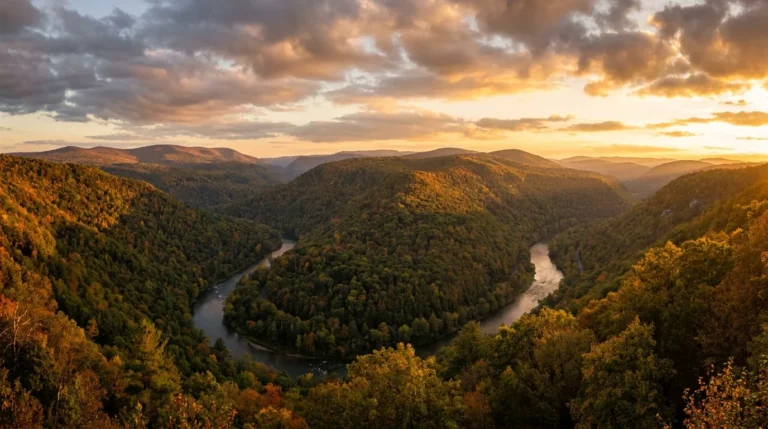
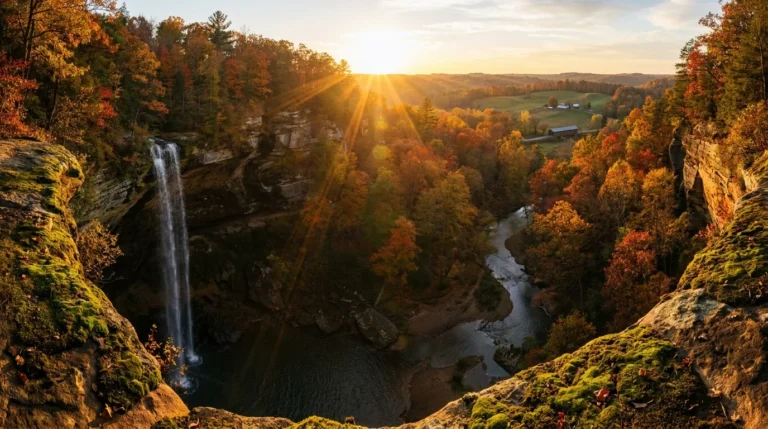
The Southwest has spectacular deserts (Mojave, Sonora, Chihuahua) and national parks including the Grand Canyon, Zion, Bryce, and Arches. California mixes beaches, desert, redwoods, and the Sierra Nevada. The Pacific Northwest (Washington, Oregon) has temperate rainforests. The South has a warm, humid climate, with Louisiana bayous and Florida's Everglades.

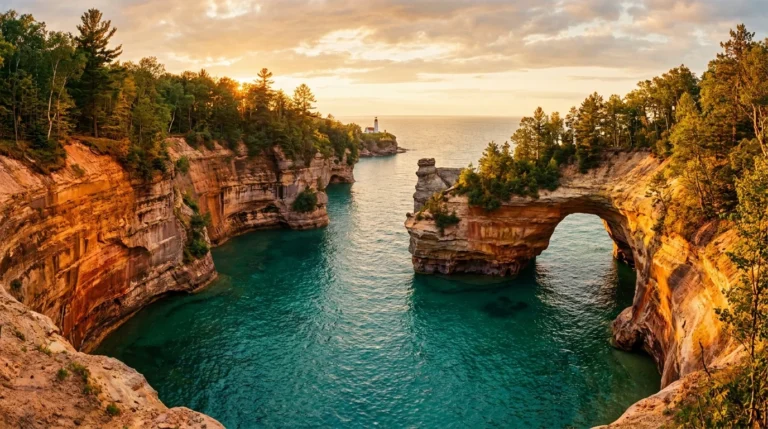
The Great Lakes (Superior, Michigan, Huron, Erie, Ontario) form the largest surface freshwater reserve on the planet, on the border with Canada. The Mississippi River runs through the country from north to south. Alaska has glaciers, active volcanoes, and tundra. Hawaii is volcanic, with a tropical climate year-round. Hurricanes strike the Gulf and Atlantic coasts from June to November, and tornadoes are frequent in the so-called Tornado Alley.

36/km²
Population density
Main biomes
  • Temperate forest
  • Grassland
  • Desert
  • Boreal forest
  • Tundra
  • +1 more

Terrain

Diverse: coastal plains in the east, Appalachian Mountains, central Great Plains, Rocky Mountains in the west, deserts in the Southwest, Sierra Nevada and Pacific coastal range, tundra in Alaska, and volcanoes in Hawaii.

Immigrant communities in the United States: the world's largest mosaic

More than 46 million immigrants live in the country. Mexicans, Indians, Chinese, Filipinos, and Salvadorans form the largest communities, with hubs concentrated in specific cities.

The United States has the largest immigrant population on the planet, with around 46 million people born outside the country, equivalent to 14% of the population. Diversity varies greatly from state to state. California, Texas, Florida, New York, and New Jersey concentrate the majority of newcomers, with entire neighborhoods formed by a single origin group.

Mexicans lead among immigrants and are present throughout the country, with strong concentration in the Southwest. Indians and Chinese dominate Silicon Valley, Seattle, and Boston, tied to the technology sector and graduate education. Filipinos have a large presence in California and Nevada, with strong representation in nursing. Salvadorans, Guatemalans, and Hondurans make up large communities in Los Angeles, Washington D.C., and Houston.

The most common regularization paths are through employment (H-1B, EB-2, EB-3), through family (IR-1, CR-1, K-1), or through investment (E-2, EB-5). The Green Card opens the path to citizenship after 5 years, or 3 years if married to a U.S. citizen. In virtually all major cities there are community clinics, immigration law offices, and organizations that guide newcomers in Spanish, Mandarin, Hindi, and Tagalog.

Top countries of origin
  • Mexico
  • India
  • China
  • Philippines
  • El Salvador
Main immigrant hubs
  • Los Angeles
  • New York
  • Miami
  • Houston
  • Chicago

Integration & naturalization

There is no English fluency requirement for permanent residency, but naturalization requires proof of basic English and civic knowledge. Children of immigrants are entitled to free public school from K through 12th grade. Health insurance generally comes through the employer. Citizenship can be applied for after 5 years with a Green Card, or 3 years if married to a citizen.

Paths to living in the United States: work, investment, family, and study

A broad visa system with categories for skilled workers, investors, relatives of US citizens, students, and refugees.

The most common paths to legally living in the United States are temporary work visas (H-1B for specialty occupations, L-1 for intracompany transfers, O-1 for extraordinary ability, TN for Canadians and Mexicans under NAFTA/USMCA), investor visas (E-2 for treaty commerce, EB-5 for investments starting at $800,000 with job creation), and employment-based green cards (EB-1, EB-2, EB-2 NIW for national interest, EB-3).

Family visas include IR-1 and CR-1 (spouse of a US citizen), K-1 (fiancé/fiancée), IR-2 and IR-5 (children and parents of citizens), and F categories for more distant relatives. The F-1 visa covers students at accredited universities, with the possibility of OPT (Optional Practical Training) after graduation. The J-1 serves exchange visitors, researchers, and au pairs.

The Green Card is permanent residency. After 5 years with a Green Card (or 3 years if married to a US citizen), the resident can apply for naturalization and become a US citizen. US citizenship allows a blue passport, the right to vote in federal elections, and the ability to sponsor relatives to come and live legally. The United States is not part of an E-1/E-2 treaty with itself -- it is the country that grants those visas based on treaties with other nations.

Inside the United States, the most relevant pathways are employer-sponsored (H-1B, L-1, O-1), self-petitioned permanent residency (EB-1, EB-2, EB-2 NIW), the investor route (EB-5 starting at USD 800k in TEA), academic study (F-1), and family routes for spouses of US citizens (IR-1, CR-1).

Most relevant US visa pathways
Other US visa categories

Latest posts

Posts about the United States

Coverage and updates related to this destination.