English
 Português
 Español


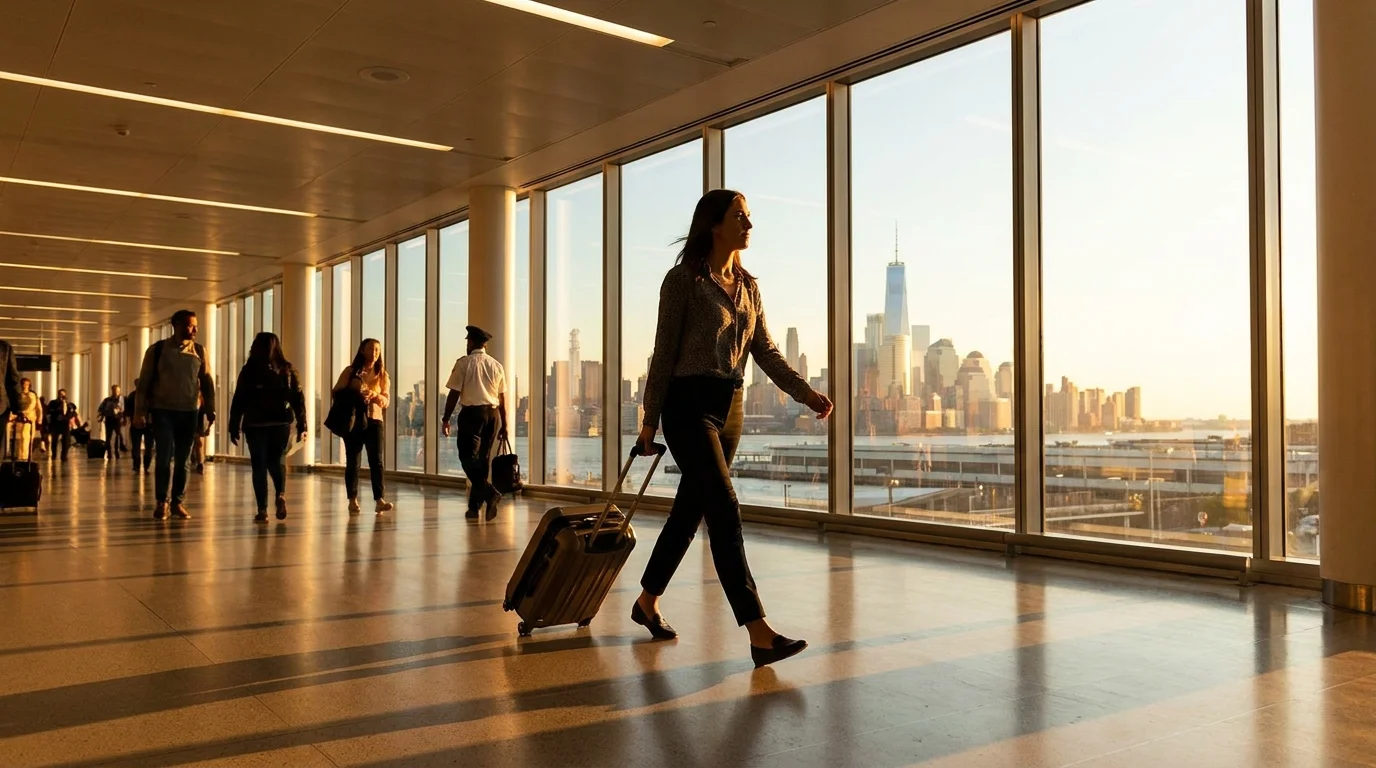
Getting a visitor visa interview in the United States can mean months of waiting at some consulates, and starting in July 2026, there is a paid way to skip that line. The State Department created a $750 fee that guarantees B-1/B-2 visa applicants an interview appointment within ten business days, at select consular posts. The measure is temporary, optional, and comes with conditions every applicant needs to understand before paying.
What the New Fee Covers
The $750 charge was established by a temporary final rule published in the Federal Register on June 9, 2026. It applies from July 1 through December 31, 2026, and functions as an add-on to the standard nonimmigrant visa application fee, meaning you pay the regular B-1/B-2 fee plus the $750 for expedited scheduling.
In exchange, the applicant secures an interview date within ten business days, instead of waiting weeks or months for the next available slot. The program is a pilot with a projected capacity of about 25,000 expedited appointments, offered in limited quantity and only at select posts abroad.
What the Fee Does Not Guarantee
This is the most important and most misunderstood point of the measure: paying the $750 only speeds up the interview scheduling, not the visa approval or any subsequent processing. The applicant remains subject to all eligibility rules and any administrative processing the consulate deems necessary.
In practical terms, the fee buys an earlier date on the calendar and, if approved and subject to availability, the return of the passport with the visa. It does not eliminate the interview, does not waive the background check, and offers no advantage in the consular officer’s decision. Anyone who ends up in administrative processing (the additional review that can last weeks) will not receive priority treatment for having paid.
Why the Program Was Created
The creation of the fee addresses two simultaneous problems: long consular queues in several countries and the approach of major events expected to drive up demand for visitor visas. The 2026 World Cup, partly hosted in the United States, and the 2028 Los Angeles Olympics are putting pressure on the consular system and help explain the temporary, experimental nature of the measure.
By offering a paid premium channel, the State Department is attempting to ease the bottleneck for those with genuine urgency while also generating revenue. The public comment period on the rule closed on July 9, 2026, meaning the terms described here are the ones currently in effect.
Who It Makes Sense to Pay For
Expedited scheduling tends to be worthwhile for a specific type of traveler: someone who needs to enter the United States on short notice for business, medical treatment, an urgent family event, or an unavoidable professional commitment, and who is facing a consulate with a long queue. For this group, ten business days can be the difference between making the trip happen or missing it.
For those planning their trip months in advance, or applying for the visa at a post with little wait time, the fee is hard to justify. It is worth checking the average scheduling time at the home consulate before deciding, since at many posts the standard queue is already short enough to make the extra $750 unnecessary.
How to Prepare Anyway
Paying for the expedited route does not change the underlying preparation. The applicant still needs to correctly complete the DS-160 form, gather documents proving ties to their home country, and demonstrate intent to return at the end of the stay. The tourism and business visa continues to be granted at the discretion of the consular officer, who evaluates the purpose of the trip and the immigration risk.
Since it is a temporary measure set to end on December 31, 2026, the program may not be renewed, or it may change form after the pilot phase. Anyone planning to use it should confirm, at the time of application, whether the consular post of interest is among those offering the service and whether slots are still available within the limited quota. The fast track exists, but it remains the exception, not the rule.
Learn more about B-1/B-2
- Duration
- Up to 6 months
- Extension
- Possible (up to 6 months)
- Work
- Not permitted
- Processing
- 2-8 weeks
Tags
About the author

Victoria Harper
Editor-in-Chief
As a journalist and lead editor at Visto n’ Visa, Victoria helps ensure that immigration topics are covered in a clear, trustworthy, and easy-to-understand way. Her focus is on delivering useful, human, and relevant content for people exploring new paths abroad.