English
 Português
 Español


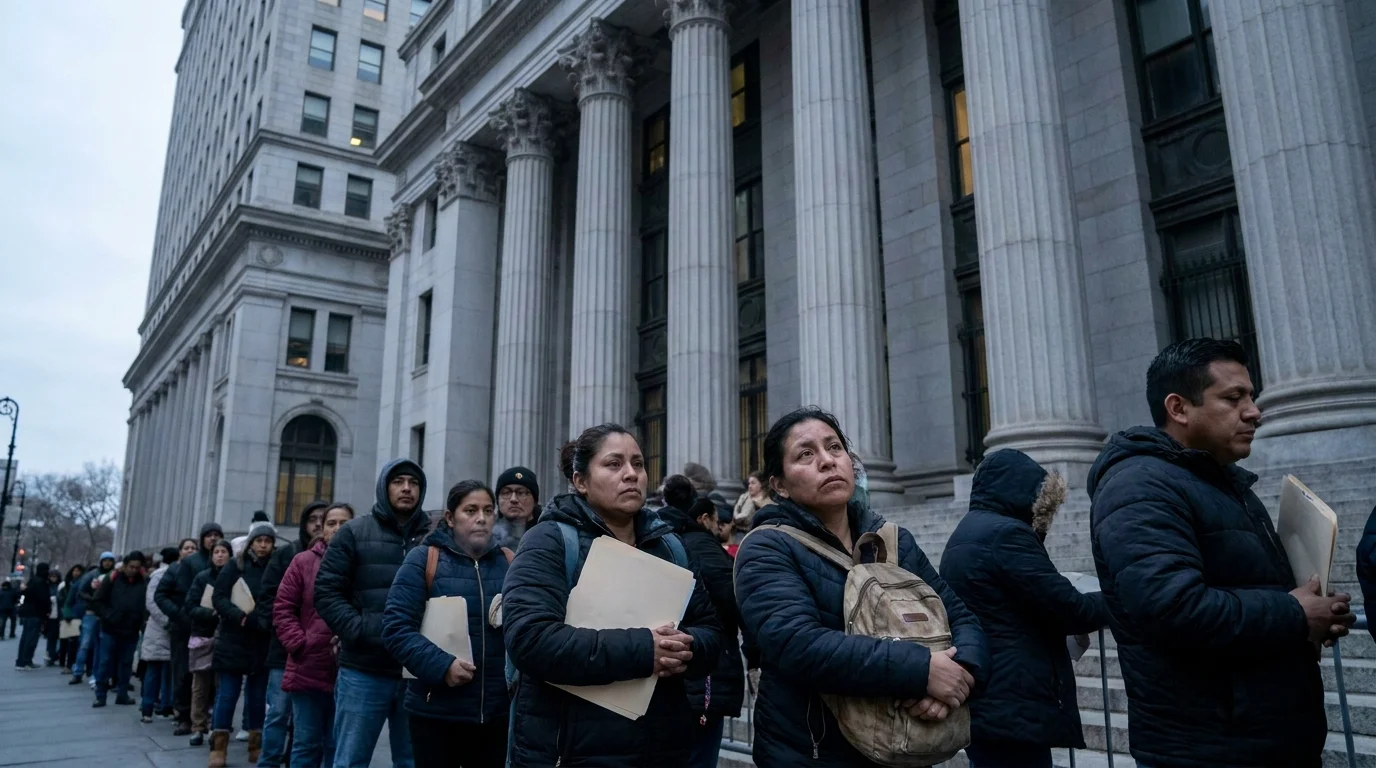
Immigrants of various nationalities in the United States are being caught off guard by an abrupt shift: hearings scheduled for 2027, 2028, or even 2029 are suddenly being moved up to the next few days or weeks. The trend, documented extensively in South Florida by outlets like CBS News Miami and public broadcasters, is generating fear and uncertainty among those trying to remain in the country legally and among the attorneys who represent them.
What Calendar Hearings Are
So-called master calendar hearings are typically an immigrant’s first encounter with an immigration judge. This is where the direction of the case is set. They traditionally brought together two or three dozen people; now, courts have been assembling what system insiders have nicknamed mega masters, with 100 or more people scheduled for the same block.
Hearings Moved Up by Years
In immigration courts, people have reported receiving notices moving their dates up by months, and in some cases by years. Someone with a hearing set for 2028 might now be called in for the following month. Many of these cases were originally scheduled for 2027 or 2029, which increases the chance that someone simply won’t find out about the new date in time, and a missed hearing can mean an in absentia deportation order.
Less Time, Greater Risk of Losing the Case
Immigration attorneys warn that the compressed timelines put pressure on both families and legal teams. With less time to gather evidence and prepare the client, the likelihood grows that a poorly prepared case will be lost. The paradoxical result is a flood of continuance requests to judges, which is the exact opposite of the intended speed, since many cases reach the hearing without adequate preparation.
Fear of Same-Day Detention
The accelerated calendar also fuels fear of detention. Reports gathered by the press describe people who are afraid to appear, not only because they might lose their case, but because they believe they could be detained right there, on the day of the hearing. This fear tends to weigh most heavily on those without an attorney: anyone who arrives late, or doesn’t show up at all, leaves with a removal order.
The EOIR’s Position
The Executive Office for Immigration Review, the Department of Justice agency that oversees the immigration courts, stated that it prioritizes the timely completion of all cases and makes schedule adjustments as needed so that proceedings don’t stall. According to the agency, as it hires new judges, it will continue reorganizing calendars so that cases are handled quickly and within the law.
In fact, the Department of Justice announced its largest class of immigration judges yet, with dozens of new magistrates sworn in (including military attorneys serving temporarily as judges) and more than a hundred hires during the fiscal year. This buildup is what sustains the capacity to hold mass hearings.
It’s Not Always Just the Government
Attorneys note that the rescheduling originates from the courts themselves, not solely from a direct order from the Executive Branch, although there is government pressure, including pushback against continuance requests filed by the defense. The distinction matters: it means the practical response needs to be procedural, case by case, rather than waiting for a broad political reversal.
How to Avoid Being Caught by Surprise
Given this scenario, a few steps can reduce the risk of being caught unprepared:
- Keep your address and phone number always up to date with the court, so you don’t miss notices of a new hearing date
- Periodically check your case status through the immigration court system’s official channels
- Seek legal representation as early as possible, since cases without an attorney are the most vulnerable to in absentia orders
- Never ignore a notice to appear: failing to show up usually results in an automatic removal order
- Gather and organize evidence well in advance, anticipating the possibility that the hearing date could be moved up
The accelerated calendars show how time, in an immigration case, is as valuable a resource as any document. For those facing the court, up-to-date information and early preparation are no longer just an advantage; they have become a basic necessity for the case to survive.
About the author

Victoria Harper
Editor-in-Chief
As a journalist and lead editor at Visto n’ Visa, Victoria helps ensure that immigration topics are covered in a clear, trustworthy, and easy-to-understand way. Her focus is on delivering useful, human, and relevant content for people exploring new paths abroad.