Visto n' Visa
Blog
Notícias e artigos
Destinations
Careers
Immigrants

Want to live and work in Indiana?

Personalized immigration plan with eligible visas, costs, and next steps for your goal!

If you are not eligible, you will know exactly why and what to do to improve your approval chances.

Save up to 12 hours in meetings

No pointless assessments.

Save up to 90%

Save money on vague or unfocused consultations

Avoid Fraud and Mistakes

One mistake can cost you your visa

Total Impartiality

Zero commercial bias

Decide with peace of mind

No toxic urgency

Fast and Accurate

Answers in minutes, no guesswork

Why visit Indiana

Automotive industry, pharma, and corn. Low cost of living in the heart of the Midwest.

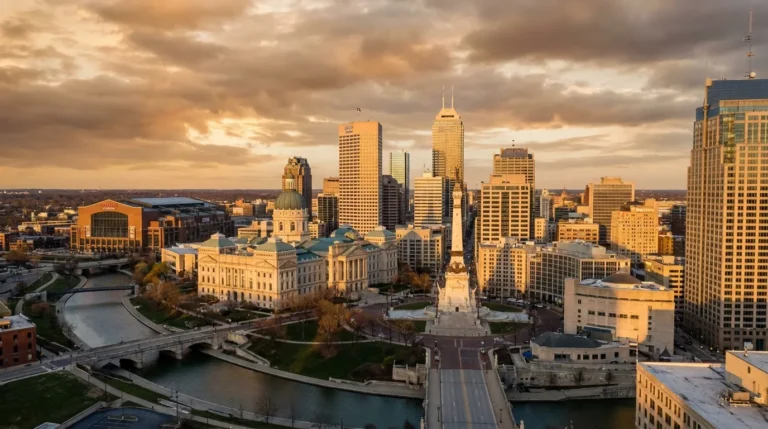
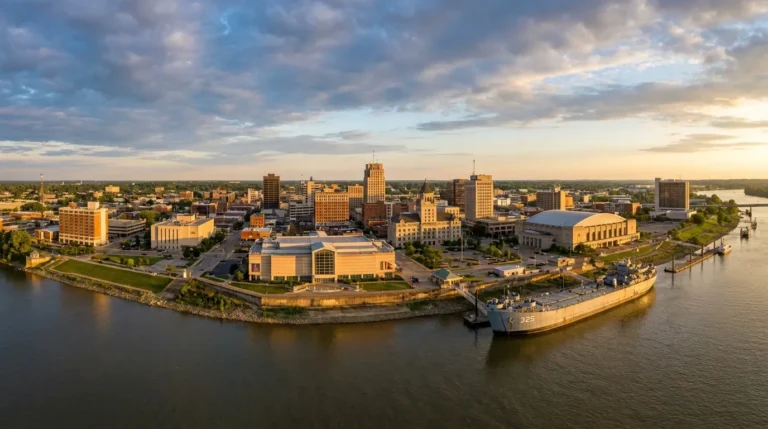
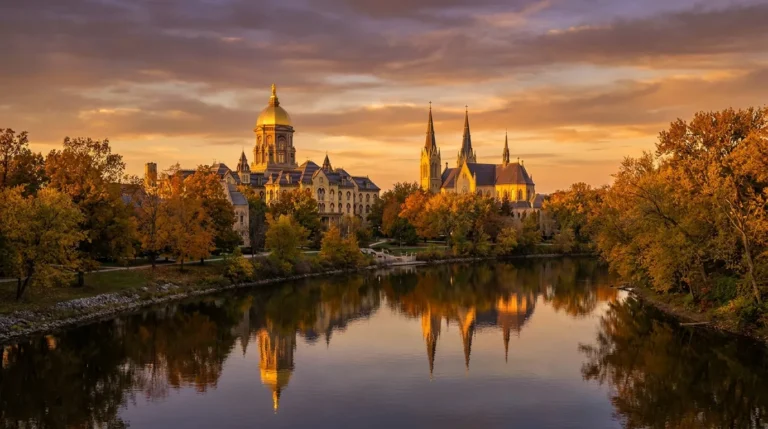
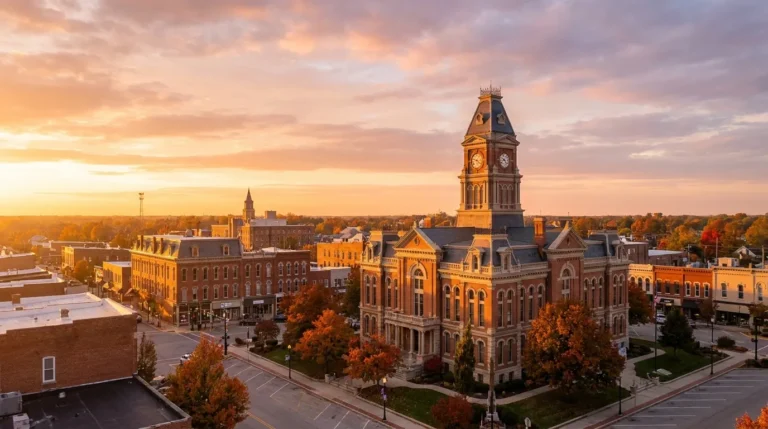
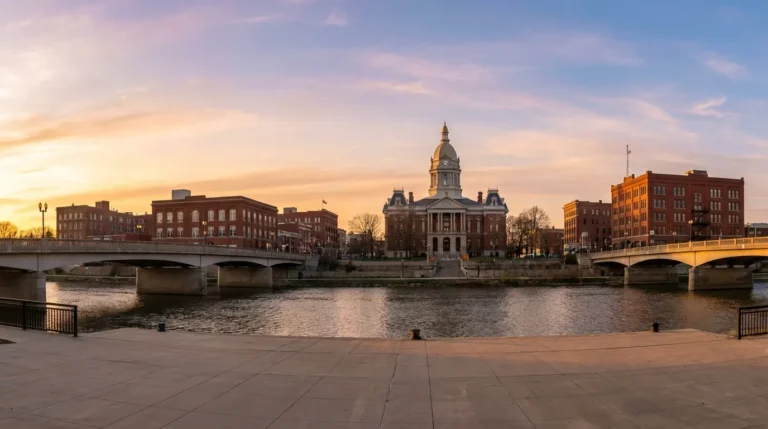
Indiana is located in the American Midwest, bordering Illinois, Michigan, Ohio, and Kentucky. The capital and largest city is Indianapolis, in the center of the state. Other important cities are Fort Wayne (north), Evansville (south), South Bend (home of the University of Notre Dame), and Bloomington (Indiana University). The state's population is about 6.8 million.

The state's economy is a mix of industry, agriculture, and medical technology. Indiana is at the heart of the American automotive industry (along with Michigan and Ohio), with Subaru, Toyota, Honda, GM, and numerous supplier plants scattered across the state. Eli Lilly, the pharmaceutical giant, is headquartered in Indianapolis and is the most valuable company in the state.

Indiana has a very affordable cost of living, conservative values, and a rural tradition. Indianapolis has grown in diversity in recent years, with visible Hispanic, Asian, and African immigrant communities. The Brazilian community is small, with no specific neighborhoods. The state is famous for college sports (basketball in particular) and the Indy 500 race.

Population
6,833,037
Average monthly salary
51,500 USD/mo
39.8494°, -86.2583°

Featured places

Top 10 places in Indiana

The places most sought-after by immigrants in this region.

Indiana demographics: white majority with growing Hispanic population

Historically homogeneous state, with growing Hispanic and Asian immigrant communities, especially in Indianapolis.

Indiana has about 6.8 million inhabitants. The composition is majority non-Hispanic White (about 78%), with African Americans representing about 10% (concentrated in Indianapolis, Gary, and Fort Wayne). Hispanics have grown rapidly over the past two decades, mainly Mexicans, and make up about 8% of the population.

Indianapolis is the focus of the state's diversity. Visible communities include Mexicans (on the south and west sides), Burmese (one of the largest Burmese communities in the US, settled as refugees), Indians (in Carmel and Fishers), Central American Hispanics, and Chinese. Bloomington and West Lafayette, university cities, have significant international student populations.

The Brazilian community is small, with a few hundred families dispersed around Indianapolis and university cities. There are no specific Brazilian neighborhoods. English dominates; Spanish appears in neighborhoods with larger Mexican populations. The culture is strongly influenced by rural Christian values, especially outside the larger cities.

6,833,037
Population
38 yrs
Median age
72/km²
Density
$67,170
Median income
per year
Urban population72.0%
Foreign-born5.6%
Languages spoken
  • English
  • Spanish
  • Burmese (in Indianapolis)
  • Hindi and Gujarati
  • Mandarin
  • +1 more
Main religions
  • Christian (Protestant, Catholic, Evangelical)
  • No religion
  • Muslim
  • Hindu
  • Buddhist (Burmese community)
Cost of living in Indiana: one of the lowest in the US

Rent, food, and real estate well below the national average. Indianapolis is still affordable for a state capital.

Indiana is one of the most affordable states in the US. A one-bedroom apartment in Indianapolis runs between $1,000 and $1,400 depending on the neighborhood. In smaller cities like Fort Wayne, Evansville, and South Bend, between $700 and $1,100. Carmel and Fishers (premium Indianapolis suburbs) cost a bit more.

Groceries and restaurants are quite reasonable. A meal at a casual restaurant runs between $10 and $20. Gasoline and electricity are below the national average. The state income tax is a flat 3.15%, one of the lowest in the US. Combined sales tax is 7%.

For families, the state offers large homes with yards at prices that would be unthinkable in coastal states. Those earning in dollars can live comfortably and save more. The trade-off is fewer cultural, dining, and professional options than in major hubs, but Indianapolis has a respectable urban scene.

91Cost index (US = 100)9% below US average
CategorySingleCoupleFamily (2 + 2)
iHousing$1,180$1,362$1,725
iFood$345$690$1,253
iTransport$454$772$999
iHealthcare$254$508$953
iChildcare$1,653
iOther$772$1,389$1,952
Monthly total$3,005$4,721$8,535

Source: U.S. BLS Consumer Expenditure Survey 2023 + BEA Regional Price Parities 2023 · Estimates in USD, monthly.

Housing in Indiana: large affordable homes, especially outside Indianapolis

Family homes with yards at accessible prices. Carmel and Fishers are the most valued suburbs.

In Indianapolis, homes in central neighborhoods (Broad Ripple, Meridian-Kessler, Fountain Square) range from $250,000 to $500,000. Premium suburbs like Carmel, Fishers, Zionsville, and Westfield have large family homes between $400,000 and $800,000. They are known for excellent schools and high quality of life.

Outside Indianapolis, prices drop considerably. Fort Wayne, Evansville, South Bend, and Lafayette have modest homes starting at $150,000 and larger family homes around $250,000 to $400,000. Bloomington, because of the university, is priced somewhat higher.

Buying property in Indiana is more accessible than in almost any coastal state. To rent, the standard requirements apply: proof of income, credit history, and references. Newly arrived immigrants may need a co-signer or advance payment of two or three months, but the process is less competitive than in expensive cities.

Purchase price (m²)
  • Center$1,900/m²
  • Outside$1,250/m²
3.1×
Price-to-income
7.0%
Mortgage rate (20y)
Recommended neighborhoods
  • Carmel (Indianapolis, top schools)
  • Fishers (Indianapolis, family, tech)
  • Zionsville (Indianapolis, charming)
  • Westfield (Indianapolis, growing)
  • Broad Ripple (Indianapolis, urban)
  • +3 more

Job market in Indiana: pharma, automotive, logistics, and agriculture

Eli Lilly in Indianapolis is a pharma landmark. Strong automotive industry. Agriculture in the center and north.

Eli Lilly, headquartered in Indianapolis, is the state's largest pharmaceutical company and one of the most valuable in the US. It makes insulin, diabetes medications (Mounjaro, Trulicity), oncology drugs, and neuroscience treatments. It employs tens of thousands in the state, in research, manufacturing, and administration. A biopharmaceutical cluster has grown around it, attracting other companies.

Indiana is the second-largest auto-producing state in the US. There are plants from Subaru (Lafayette), Toyota (Princeton), Honda (Greensburg), GM (Fort Wayne, Bedford), and hundreds of suppliers. The RV (recreational vehicle) industry is centered in Elkhart, in the north. Steel (ArcelorMittal in Gary), chemicals, and heavy machinery (Cummins, in Columbus) complete the industrial picture.

Agriculture is a historic sector: corn, soybeans, pigs, tomatoes, and melons. Indianapolis has a growing logistics hub (FedEx has its second-largest hub there). Technology is growing in Indianapolis, Carmel, and Fishers, with companies like Salesforce, Infosys, and local startups. Notre Dame and Purdue feed talent in engineering and sciences.

$51,500
Avg net salary
per month
$15,080
Minimum wage
per month
3.4%
Unemployment
63.5%
Labor force
Dominant sectors
  • Pharmaceuticals (Eli Lilly)
  • Automotive industry and suppliers
  • Heavy manufacturing (Cummins, steel)
  • Agriculture (corn, soybeans, pigs)
  • Logistics (FedEx hub)
  • +3 more
Major employers
  • Eli Lilly and Company (Indianapolis)
  • Cummins (Columbus)
  • Subaru of Indiana Automotive (Lafayette)
  • Toyota (Princeton)
  • Honda (Greensburg)
  • +4 more

Education in Indiana: respected universities and variable public schools

Notre Dame and Purdue are national names. Indianapolis suburbs have excellent public schools.

Indiana has two prestigious universities: University of Notre Dame (private, Catholic, in South Bend, known for business, law, and football) and Purdue University (public, in West Lafayette, a reference in engineering, computer science, and aerospace). Both attract students from around the world.

Indiana University, with its main campus in Bloomington, is strong in music (Jacobs School of Music is one of the best in the US), business (Kelley School), and social sciences. IU Indianapolis (IUPUI) serves the capital. Other universities include Butler, Ball State, and University of Indianapolis. Public in-state tuition is accessible.

In public schools, Indianapolis suburban districts like Carmel-Clay, Hamilton Southeastern (Fishers), Zionsville, and Westfield-Washington rank among the best in the US. Indianapolis Public Schools (city schools) has uneven quality, with magnet schools and charter schools as alternatives within the public system.

Literacy97.0%
Tertiary education28.3%
478
PISA score (avg)
$10,300
Private school
per year
Notable universities
  • University of Notre Dame (South Bend)
  • Purdue University (West Lafayette)
  • Indiana University Bloomington
  • Indiana University Indianapolis (IUPUI)
  • Butler University (Indianapolis)
  • Ball State University (Muncie)
  • Rose-Hulman Institute of Technology (Terre Haute)

Healthcare in Indiana: competent hospital network, boosted by Eli Lilly

Decent hospitals in Indianapolis and mid-sized cities. Rural areas are more underserved.

Indianapolis has a competent hospital network. IU Health (university system, including Methodist Hospital), Riley Hospital for Children (a regional pediatric reference), Community Health Network, and Ascension St. Vincent are the main ones. The presence of Eli Lilly drives clinical and biopharmaceutical research.

The model is the standard American one: employer health insurance. Family premiums around $1,200 to $1,600, with the employer paying part. Indiana expanded Medicaid (Healthy Indiana Plan), though with stricter criteria than more liberal states. Documented immigrants qualify after a waiting period.

The problem is rural areas: several small counties have doctor shortages and closing hospitals. In Indianapolis, finding Spanish-speaking doctors is easier; in other cities, harder. Community clinics (FQHCs) charge based on income, an alternative for those without a plan. Private emergency rooms should be avoided without coverage.

Healthcare index63.0 / 100
  • Life expectancyyears at birth
    76.5yrs
  • Doctors per 1kpracticing physicians
    2.4
  • Health spendper capita, per year
    $9,300
  • Public systemoverall quality rating
    Fair

Safety in Indiana: safe suburbs, parts of Indianapolis with challenges

Suburbs and small cities are calm. Some central Indianapolis neighborhoods and Gary have higher crime rates.

Indiana as a whole has crime rates close to the national average. Indianapolis suburbs (Carmel, Fishers, Zionsville, Westfield) rank among the safest in the US. Small cities and rural areas are also calm, with low violent crime.

Indianapolis has parts with real crime challenges, especially on the east, south, and west sides of the city. Violent crimes concentrate in specific neighborhoods. Central areas (Downtown, Mass Ave, Fountain Square) are reasonably safe for urban life, though some awareness is warranted. Broad Ripple is popular and safe.

Gary, in the north of the state, is a city with historically high crime rates, a legacy of the steel industry's decline. Fort Wayne, Evansville, and South Bend are intermediate, with safe neighborhoods and less-safe ones. Sites like Niche.com and GreatSchools help compare neighborhoods before signing a lease.

7.5
Homicides per 100k
per year
Safety index
53.0
Crime index
47.0
Safer neighborhoods
  • Carmel
  • Fishers
  • Zionsville
  • Westfield
  • Brownsburg
  • Plainfield (Indianapolis)
  • West Lafayette
  • Munster (north, near Chicago)
  • Broad Ripple (Indianapolis)
Areas to avoid
  • Indianapolis East Side
  • Gary central districts
  • South Bend west side areas
  • Fort Wayne downtown at night

Transportation in Indiana: car is essential, main airport in Indianapolis

Weak public transit statewide. Indianapolis airport (IND) is highly rated. Interstate highways cross the state.

Indiana is car country. Public transit is limited even in Indianapolis, where IndyGo operates buses and a reasonable bus rapid transit line (Red Line), but outside those routes the system is weak. Smaller cities have local buses with low frequency. Apps like Uber and Lyft work well in Indianapolis.

Indianapolis International Airport (IND) is consistently rated one of the best in the US for service. It has direct flights to major American cities and some international destinations (Mexico, Canada, Caribbean). For international flights to Europe, South America, or Asia, connections are generally needed through Chicago, Atlanta, or Detroit.

Interstate highways (I-65, I-69, I-70, I-74, I-80/90) cross the state, connecting to Chicago, Cincinnati, Louisville, and St. Louis. Amtrak passes through Indianapolis and South Bend but is little used. Interstate buses (Greyhound, FlixBus) cover regional routes. FedEx has a massive air hub in Indianapolis (second-largest in the world).

24 min
Avg commute
33
Walkability
Airports
  • IND (Indianapolis International)
  • SBN (South Bend International)
  • FWA (Fort Wayne International)
  • EVV (Evansville Regional)
  • International airport
  • Bike infrastructure

Indiana climate: four seasons, cold winters and humid summers

Hot and muggy summers. Cold winters with moderate snow. Short but pleasant spring and autumn.

Indiana has a humid continental climate with four distinct seasons. Summer (June to August) is hot and humid, with averages of 82 to 90 degrees Fahrenheit and frequent afternoon thunderstorms. Tornadoes can occur, mainly in April, May, and June. Air conditioning is essential at home and work.

Winter (December to February) is cold, with averages between 25 and 37 degrees Fahrenheit. It snows moderately, averaging 20 to 30 inches per winter, more in the north than the south. Cold waves with temperatures below 5 degrees Fahrenheit occur occasionally. Roads can become dangerous with ice.

Spring (March to May) is unstable, with rapid temperature swings and severe storms. Autumn (September to October) is the most beautiful season, with orange and yellow foliage, mild temperatures, and low humidity. A great time to visit state parks and go hiking in Brown County.

Sunny days / year186 days
Avg high (°F)
  • 36°J
  • 41°F
  • 52°M
  • 64°A
  • 73°M
  • 82°J
  • 85°J
  • 84°A
  • 78°S
  • 66°O
  • 52°N
  • 40°D
Avg low (°F)
  • 21°J
  • 24°F
  • 33°M
  • 43°A
  • 54°M
  • 63°J
  • 66°J
  • 65°A
  • 57°S
  • 46°O
  • 35°N
  • 26°D
Rainfall (")
  • 3"J
  • 2"F
  • 4"M
  • 4"A
  • 5"M
  • 5"J
  • 4"J
  • 3"A
  • 3"S
  • 3"O
  • 3"N
  • 3"D

Indiana culture: basketball, corn, Indy 500, and rural tradition

Hoosier culture centers on college basketball, farming, church, and family. Indianapolis has a growing urban scene.

Indiana is nicknamed the Hoosier State, and Hoosier culture centers on rural values, basketball, church, and family. Basketball has near-religious status: the film Hoosiers (1986) is a cultural reference, and high school games in small towns fill gymnasiums. Indiana University, Purdue, and Notre Dame have storied programs.

The Indy 500 is the most famous car race in the US, held every Memorial Day weekend (late May) in Indianapolis. It draws more than 300,000 spectators. The city also occasionally hosts the NCAA Final Four and is seen as a sports event capital. The Colts (NFL) and Pacers (NBA) play in the city.

Hoosier food blends classic American, German (immigration heritage), and Southern influences. Restaurants in Indianapolis have grown in quality. Amish communities (in Shipshewana, Nappanee) preserve traditions with handcrafted furniture, food, and markets. Bloomington has a lively university scene; Notre Dame has a traditional Catholic culture.

230
Major museums
Notable dishes
  • Pork tenderloin sandwich (breaded pork loin sandwich)
  • Sugar cream pie
  • Hoosier hot dog
  • Persimmon pudding
  • Craft beer (local brewery scene)
  • +2 more
Annual events
  • Indianapolis 500 (Memorial Day weekend, May)
  • Brickyard 400 NASCAR (July)
  • Indiana State Fair (August)
  • NCAA Final Four (select years)
  • Hoosier Hysteria (basketball tournaments, March)
  • +1 more

Key industries in Indiana

Pharma (Eli Lilly), automotive, heavy manufacturing, and agriculture drive the economy. Logistics and technology are growing.

Eli Lilly in Indianapolis is the state's pharmaceutical pillar, with research, manufacturing, and administration of medications sold globally. Around it, a cluster of biotechnology and medical devices has grown (Roche Diagnostics, Cook Medical) in Indianapolis and in Warsaw, the world capital of orthopedic implants.

The automotive industry is historic. Indiana is the second-largest auto-producing state in the US, with plants from Subaru, Toyota, Honda, GM, and Cummins (diesel engines for trucks, in Columbus). There is also an RV industry in Elkhart, a steel industry in Gary (in decline), and heavy machinery in various cities.

Agriculture is a historic sector, with corn, soybeans, pigs, chickens, and melons. Indianapolis has become a national logistics hub with the FedEx presence. Technology is growing in Indianapolis, Carmel, Fishers, and university cities, with Salesforce, Infosys, and local startups. Notre Dame and Purdue feed engineering talent.

  • GDPgross domestic product
    $470.0B
  • GDP per capitaoutput per resident
    $68,800
  • GDP growth (yr)economy expanding
    +2.3%
Top sectors
  • Pharmaceuticals and biotechnology
  • Automotive industry and suppliers
  • Heavy manufacturing (engines, steel)
  • Agriculture (corn, soybeans, pigs)
  • Orthopedic medical devices (Warsaw)
  • +3 more

Immigrant communities in Indiana

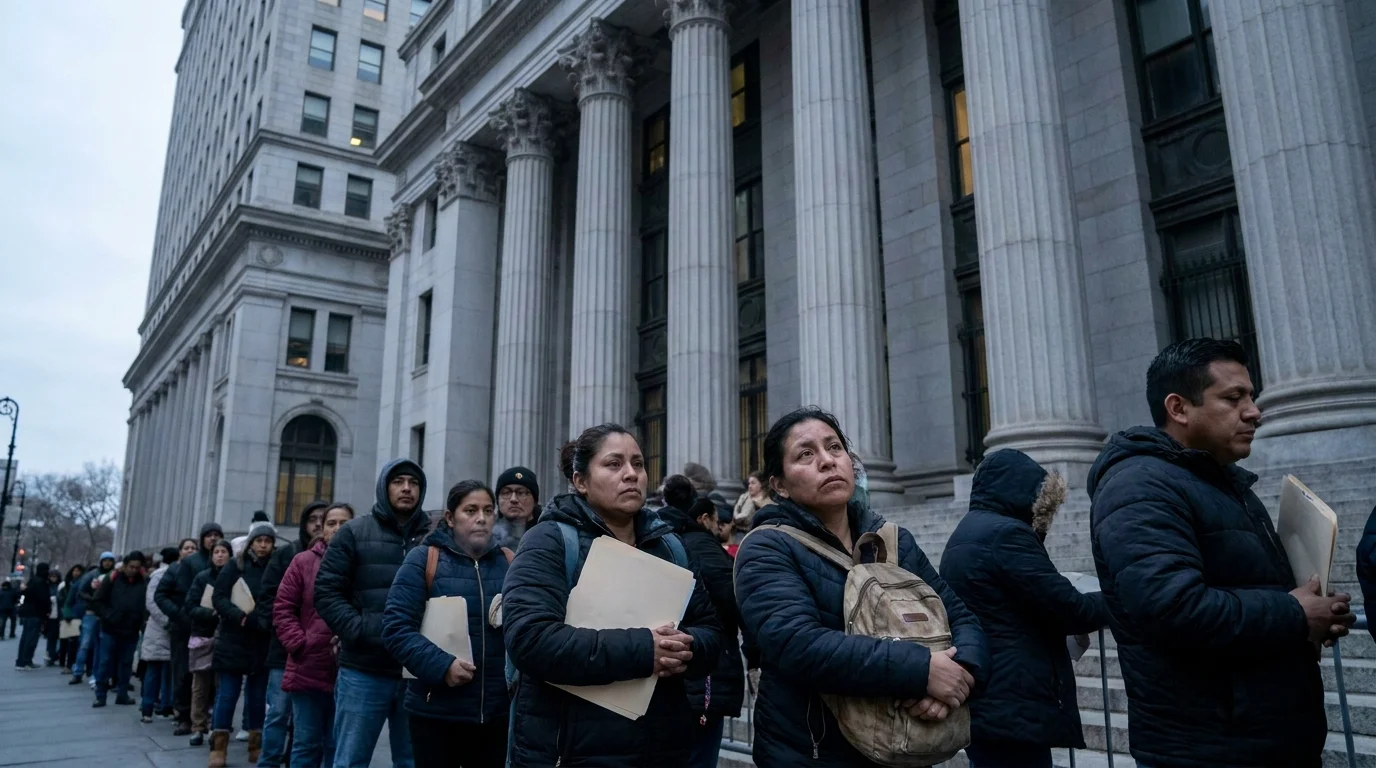
Indiana has roughly 400,000 immigrants, with strong Mexican, Burmese, and Indian communities concentrated in Indianapolis, Fort Wayne, and Carmel.

Indiana is home to about 400,000 people born outside the United States, close to 6% of the population. The largest community is Mexican, present throughout the state and especially strong in Indianapolis, in the west side around Lafayette Square, known as the International Marketplace, with restaurants, markets, and houses of worship from many origins. Burmese, mostly from the Chin ethnic group, form the largest Burmese community in the United States, with hubs in Indianapolis and Fort Wayne, the result of decades of refugee resettlement. Indians cluster in Carmel and the northern suburbs of Indianapolis, tied to technology, pharmaceuticals, and medicine. There is also a notable Salvadoran, Guatemalan, and Chinese presence, and smaller cities like South Bend, Lafayette, and Bloomington host immigrant communities linked to the universities.

The Consulate-General of Mexico in Indianapolis serves the entire state. For other countries, consular support typically comes from Chicago. The Indianapolis Refugee Resettlement Office coordinates arrival and integration of refugees, in partnership with Catholic Charities and Exodus Refugee Immigration. The Latino Coalition of Indiana provides legal and social assistance to Hispanic families. Churches and temples serve as central orientation points for newcomers, and community clinics offer services in Spanish, Burmese, Hindi, and Mandarin in Indianapolis and Fort Wayne.

400,000
Foreign-born residents
estimated
Top countries of origin
  • Mexico
  • Myanmar
  • India
  • China
  • Guatemala
Main immigrant hubs
  • Indianapolis
  • Fort Wayne
  • Carmel
  • South Bend
  • Lafayette
Foreign consulates
  • Mexican Consulate General in Indianapolis
Community organizations
  • Indianapolis Refugee Resettlement Office
  • Exodus Refugee Immigration
  • Catholic Charities Indianapolis
  • Latino Coalition of Indiana

Latest posts

Posts about Indiana

Coverage and updates related to this destination.