English
 Português
 Español


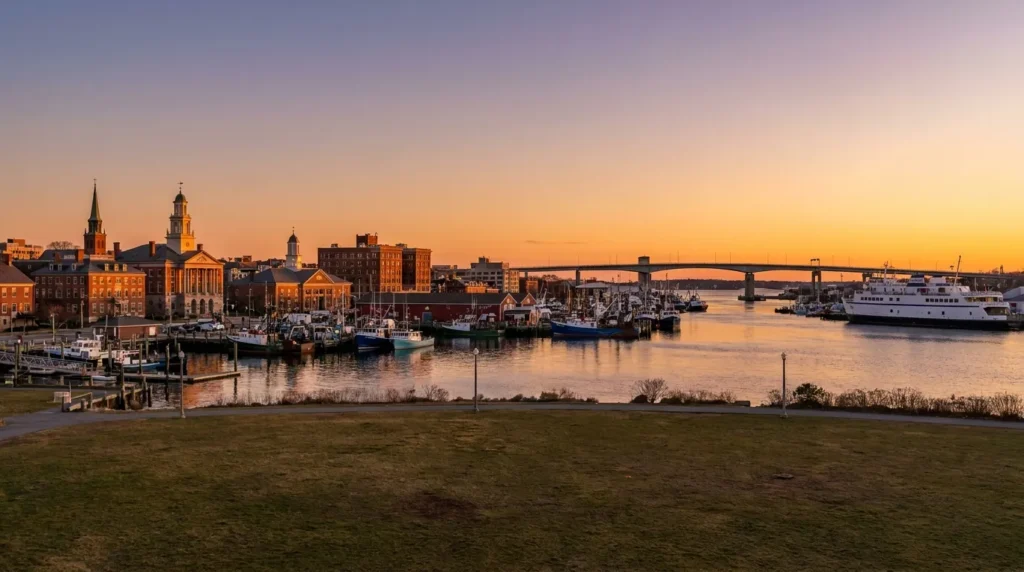
Demographics of New Bedford, home to the largest Portuguese community in the United States
New Bedford has approximately 101,000 residents, with the largest proportional Portuguese community in the United States, alongside a strong Cape Verdean, Hispanic, Guatemalan Maya, Brazilian, and African American presence.
Portuguese is the second most spoken language in New Bedford, with strong Azorean and Madeiran heritage. Families arrived throughout the 20th century, primarily to work in fishing and the textile industry. Neighborhoods such as North End, Acushnet Avenue, and Bullard Street are home to bakeries, restaurants, cultural clubs such as the Madeira Club and Casa dos Açores, Catholic parishes with Portuguese-language masses, and summer street festivals.
Cape Verdeans form one of the largest communities of their kind in the United States, originating mainly from the islands of Brava and Fogo. Guatemalan Maya, speakers of K'iche' and Mam, have had a growing presence over the past two decades, working in fishing, processing, and construction. Puerto Rican, Dominican, and Salvadoran Hispanics carry significant weight, along with Brazilians primarily from Espírito Santo and Minas Gerais.
The African American community has been part of the city's history since the 19th century, when New Bedford was an important stop on the Underground Railroad and Frederick Douglass lived there. Irish, French-Canadian, and Polish heritage also remains in parishes, restaurants, and family names. Public schools provide services in multiple languages.
- English
- Portuguese
- Cape Verdean Creole
- Spanish
- K'iche'
- +2 more
- Roman Catholic
- Protestant
- Pentecostal
- No declared religion