English
 Português
 Español



For foreign artists who wish to perform and develop their careers in the United States, immigration procedures are fundamental to ensure a legal and well-structured entry. Opportunities to work in the North American market depend on the appropriate choice of visa, each with its specific requirements and well-defined purposes. Although the rules may change, this guide details the main categories available for entertainment professionals.
With the advent of new cultural demands and global artistic exchange, visas aimed at professionals in the field have proven essential for enabling tours, shows, media appearances, and various events. Knowing the available options is the first step toward a successful immigration process and avoiding complications arising from the misuse of incorrect categories, such as the tourist and business visa (B1/B2).
For this reason, it is always recommended to confirm information with official sources, such as the U.S. Department of State website and USCIS, as changes may occur over time. Below, we present a detailed overview of the main types of visas for artists.
P Visa Types
P visas were specifically developed for artists and entertainment professionals participating in events or performances in the United States. Each subcategory has a distinct focus that caters to different profiles and needs:
- P-1 Visa: Intended for individual artists or groups with international recognition, this visa authorizes participation in specific events such as musical shows, theatrical performances, exhibitions, and other artistic activities. Proof of prior recognition and relevance in the international scene is one of the essential requirements for approval.
- P-2 Visa: This visa applies to cases of artistic and cultural exchange, where the artist participates in a collaboration between a U.S. organization and their home institution. The partnership must be formalized, evidencing the cultural and technical exchange that justifies the issuance of the visa.
- P-3 Visa: Aimed at artists who wish to share or demonstrate specific cultural aspects through programs or performances, the P-3 visa allows the professional to teach or train local artists, promoting diversity and cultural exchange. Here, the uniqueness of the cultural proposal is a determining factor.
Each of these categories requires the gathering of specific documentation, proving both the nature of the event and the artist’s prior experience. Clarity in presenting documents and demonstrating artistic importance are crucial steps for a successful application process.
O Visas for Artists of Extraordinary Ability
In addition to P visas, O visas (O-1 and O-2) offer an alternative for artists who possess extraordinary abilities recognized in their field. The O-1 visa is intended for individuals who have accumulated significant achievements and national or international recognition, proving their prominence in the artistic field. The O-2 visa is for those who accompany the main artist as part of the support team, being essential for the performance of the activity.
Obtaining these visas requires demonstrating exceptional achievements, which may include awards, specialized reviews, a history of performances, and other evidence of the professional’s unique talent. As this category prioritizes excellence, the evaluation criteria tend to be more rigorous, demanding a robust set of documentary evidence.
Avoid Misuse of Categories
An essential aspect for any artist wishing to work in the United States is the correct use of the visa type. The B1/B2 visa, for example, is not appropriate for those intending to perform artistic presentations, as its purpose is limited to tourism and business. Improper use can result in serious consequences, such as the professional being deemed inadmissible, visa revocation, or even more severe sanctions.
Therefore, conscious choice of the category and meticulous preparation of documents are fundamental to avoid mistakes that could compromise the immigration process. A clear understanding of the scope of each visa allows the artist to choose the most suitable path for their circumstances and carry out their activity in the United States safely and in accordance with legal regulations.
Preparation and Essential Documentation
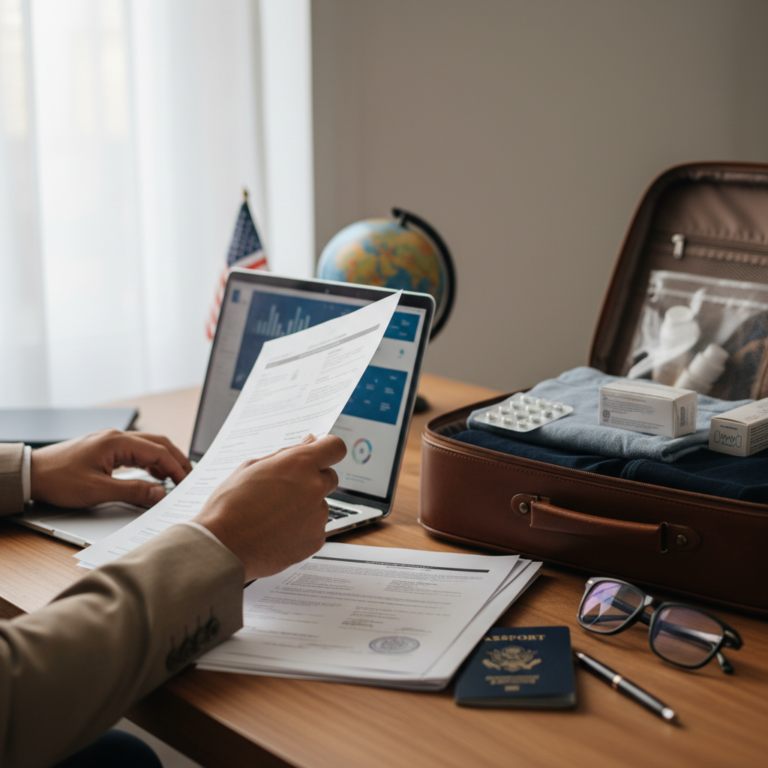
Obtaining a visa for artists requires organizing a set of documents that prove both the professional’s technical ability and the relevance of the event or activity to be carried out. Among the items that may be requested are:
- Certificates, awards, and recognitions that attest to the artist’s career and relevance;
- Contracts or agreements that prove participation in events and performances;
- Recommendation letters from renowned critics and cultural institutions;
- Documents establishing the partnership between the involved entities, especially for P-2 and P-3 visas;
- Promotional materials, such as media records, articles, and videos that demonstrate the impact of the performances.
The versatility of the required documents varies according to the visa category, but the common element is the need to demonstrate the temporary nature of the stay and the intention to return to the country of origin after the event or activity ends.
Tips for a Successful Process
To reduce the chances of complications during the visa application process, artists and their teams should pay attention to some essential points:
- Organize and update all relevant documentation before starting the process;
- Constantly consult the official websites of the U.S. Department of State and USCIS for updated information;
- Ensure that all information provided is accurate and transparent;
- Plan the process in advance, considering the evaluation and visa issuance timelines;
- Seek information from reliable sources to understand the nuances and specific requirements of each category.
Following these guidelines can not only speed up the process but also increase the chances of a successful approval, avoiding unforeseen events that could hinder the artist’s international career.
Guidance and Constant Updates
Immigration guidelines for visas intended for artists are subject to change. Therefore, it is essential to keep track of updates in the rules and regulations issued by U.S. authorities. Always stay alert to changes that may impact eligibility criteria and application procedures.
At a time when immigration policies undergo constant revisions, access to official sources and specialized guidance becomes an important differentiator for the safety and success of the process. Transparency and accuracy in providing information are, therefore, pillars that support a successful immigration journey.
Final Considerations
Building an international career that requires participation in events and performances in the United States demands in-depth knowledge of the available visa options. The P visa and O visa categories offer distinct but equally essential paths for artists to work legally on American soil.
Choosing the appropriate visa means understanding the particularities of each category, preparing documentation thoroughly, and staying up to date with official guidelines. With meticulous preparation, risks are minimized and the chances of success increase significantly, allowing the artist to focus their efforts on their art.
Although the information presented here is based on known regulations, it is recommended that artists and entertainment professionals periodically consult updates available on official websites and reliable channels. This approach ensures that any changes in immigration rules are duly considered, contributing to a safer and more transparent process.
In summary, understanding the visa categories for artists, whether for specific performances or for proving extraordinary abilities, is the first step toward a solid international career aligned with the legal requirements of the United States. Preparation, continuous updating, and rigor in organizing documents are indispensable elements for turning opportunity into success.
Learn more about O-1
- Requirement
- Extraordinary ability
- Initial validity
- 3 years
- Extension
- 1 year at a time (unlimited)
- Processing
- 2-4 months
About the author

Victoria Harper
Editor-in-Chief
As a journalist and lead editor at Visto n’ Visa, Victoria helps ensure that immigration topics are covered in a clear, trustworthy, and easy-to-understand way. Her focus is on delivering useful, human, and relevant content for people exploring new paths abroad.