English
 Português
 Español


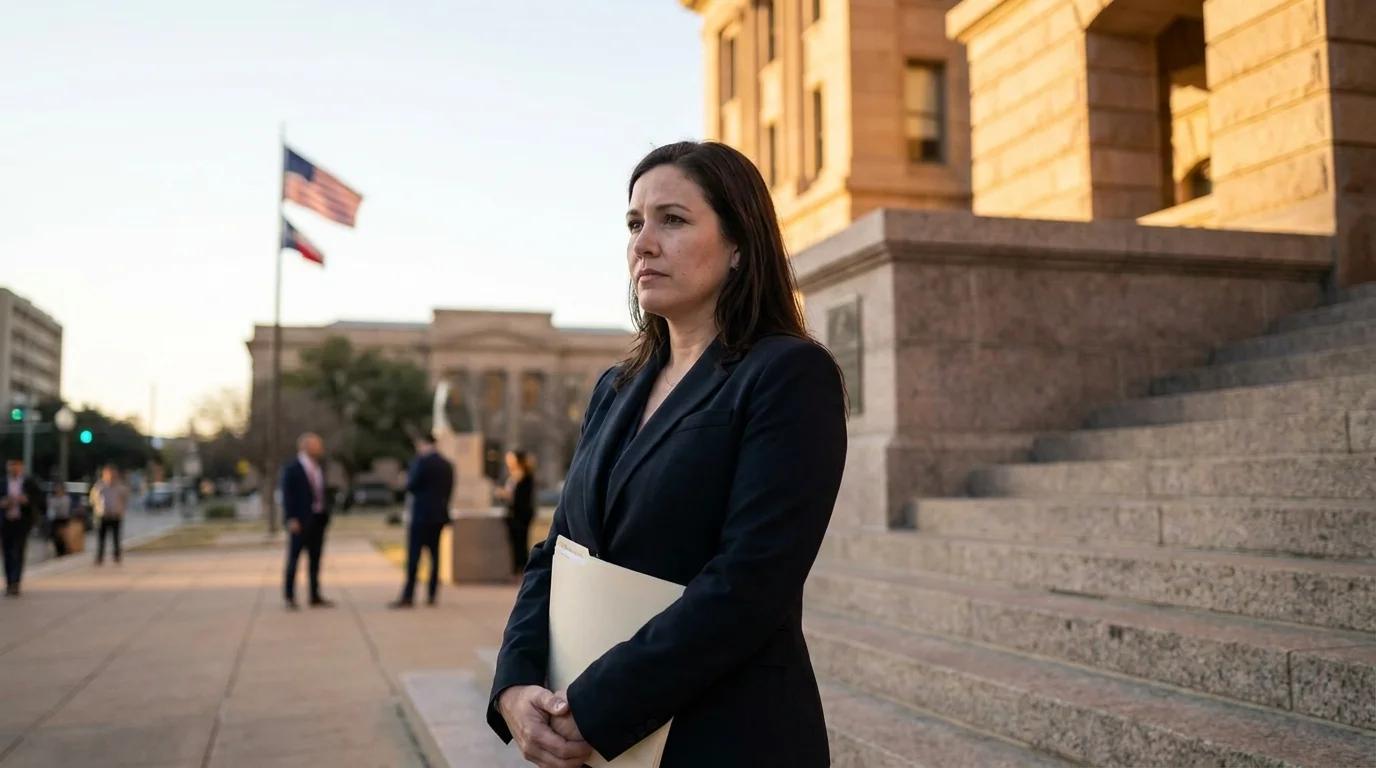
SB 4, a law passed by Texas in December 2023 to allow state police officers to arrest people suspected of entering the country without authorization, is on the verge of taking effect after two and a half years of legal battle. In a divided ruling issued on April 24, 2026, the full Fifth U.S. Circuit Court of Appeals lifted the injunction that had kept the law suspended, paving the way for it to take effect on May 15, 2026. The measure makes irregular entry into Texas a state crime and expands, in an unprecedented way, the role of local police in matters that have historically fallen under federal jurisdiction.
The outcome follows an unusual series of procedural reversals and exposes a classic fault line in American law: how far states can go on immigration matters without encroaching on federal authority.
What SB 4 Says
The law was signed by then-Governor Greg Abbott on December 18, 2023, during a special legislative session. It creates two categories of state crime: irregular entry into Texas directly from a foreign country, and return to the state after a removal order. State and municipal police officers are authorized to arrest anyone caught in these situations, even far from the border.
Texas judges may order the immigrant to leave the country, an alternative that replaces a custodial sentence. Critics point out that this design turns state courts into removal enforcement bodies, a function traditionally reserved for federal immigration authorities.
Timeline to Date
In February 2024, a federal district judge suspended SB 4 just days before its original effective date of March 5, 2024. From that point on, the law went through a series of reversals: the U.S. Supreme Court briefly allowed it to take effect in March 2024, but the Fifth Circuit blocked it again shortly after.
In July 2025, a three-judge panel of the same court declared the law unconstitutional. That decision was vacated in August of that year by the court itself, which agreed to rehear the case en banc. The en banc hearing took place on January 22, 2026.
The April 2026 Turning Point
The result of the new review came three months later, on April 24, 2026: by a vote of ten to seven, the full court ruled that the plaintiff organizations, including the Las Americas Immigrant Advocacy Center, American Gateways, and El Paso County, lacked standing to challenge the law. The court did not rule on the constitutional merits, limiting itself to lifting the injunction based on the preliminary question of standing.
Because the mandate from the decision will not be issued until May 15, 2026, that is the anticipated date for the law to take actual effect. Until then, SB 4 remains technically suspended.
Penalties and Criminal Classification
A first offense is classified as a Class B misdemeanor, with a penalty of up to six months in detention and a fine. The penalty can reach up to two years for repeat offenders and up to 20 years in cases considered aggravated, generally associated with significant prior criminal records or multiple reentries after a removal order.
As an alternative to incarceration, a Texas judge may issue an order requiring the immigrant to leave the United States. Failure to comply with that order increases the potential sentence and bars future immigration regularization, including under federal programs.
Criticism and New Legal Challenges
The federal government has historically opposed SB 4 on the basis of the federal preemption doctrine: immigration is a federal prerogative, and state laws cannot regulate the admission, stay, or removal of foreign nationals. That argument has not yet been ruled on the merits by the Fifth Circuit.
On May 4, 2026, ten days after the en banc ruling, the American Civil Liberties Union (ACLU), the ACLU of Texas, and the Texas Civil Rights Project filed a new class action lawsuit, this time on behalf of individually affected immigrants. They are seeking an injunction to block the law from taking effect and are again challenging its constitutionality. The outcome of this new round could once again suspend the law before or shortly after May 15.
What Changes in Practice
If the law actually takes effect, any state or municipal police officer in Texas will be able to detain people suspected of irregular entry, even far from the border. Experts warn that this increases the risk of stops based on appearance or language, which could affect lawful permanent residents, visa holders, and even citizens mistakenly stopped during an encounter.
Cities near the border, such as El Paso, Laredo, Brownsville, and McAllen, are likely to be the initial focus of enforcement operations. Municipal and state courts, however, are not yet equipped to handle the potential volume of cases, which could strain Texas’s criminal justice system in the first weeks.
Recommendations for Immigrants in Texas
Immigrants who live in or plan to travel through Texas should carry, whenever possible, up-to-date proof of lawful immigration status, such as a green card, Form I-94, a pending USCIS receipt, or a valid state-issued driver’s license.
It is also advisable to know basic rights during a police stop: the right to remain silent and the right to consult an attorney remain applicable. Families with members in different immigration statuses should prepare documents, powers of attorney, and childcare instructions in advance, in case a guardian is detained.
An Evolving Situation
- The ACLU’s new lawsuit could obtain an injunction and suspend SB 4 before it takes effect.
- The constitutionality debate, including federal preemption and due process, remains open and could reach the Supreme Court again.
- The Texas Department of Public Safety is expected to publish operational guidelines for local police before May 15.
- The federal government may file a new direct lawsuit against the law at any time.
It is worth closely monitoring official communications from Texas authorities and the U.S. State Department to avoid surprises during overland travel in the state in the coming weeks.
About the author

Victoria Harper
Editor-in-Chief
As a journalist and lead editor at Visto n’ Visa, Victoria helps ensure that immigration topics are covered in a clear, trustworthy, and easy-to-understand way. Her focus is on delivering useful, human, and relevant content for people exploring new paths abroad.