English
 Português
 Español


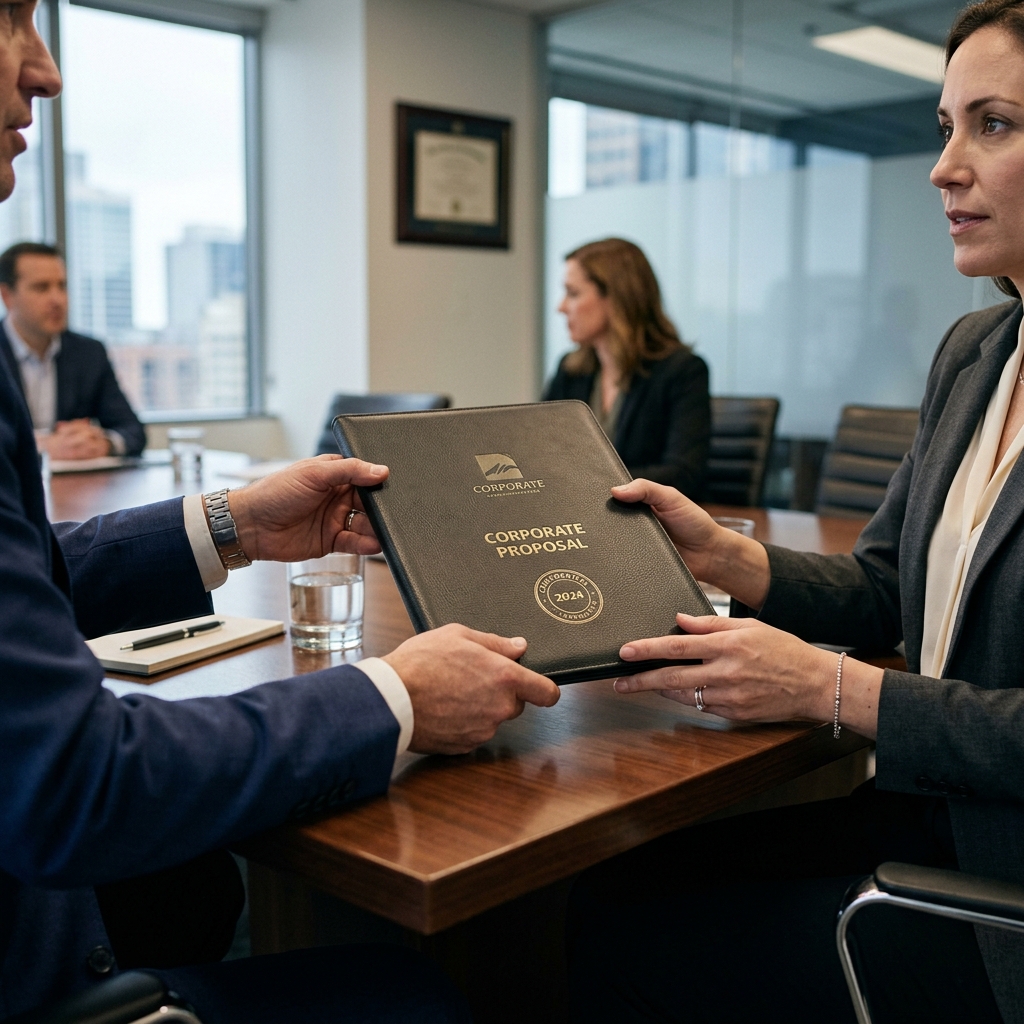
If it were guaranteed, there would be no consular interview
Open any social media platform and you will find: “guaranteed approval”, “98% success rate”, “exclusive method that secures your visa”. These phrases sell. They sell a lot. And that is exactly why you need to be skeptical of them.
The reality is straightforward: no person, company, or law firm can guarantee visa approval. And anyone who promises that is not uninformed, they are being dishonest.
How a visa decision works
Every visa application goes through an individualized review. For U.S. nonimmigrant visas, for example, the consular officer has full authority to approve or deny. This is called discretionary power: the final decision belongs to the officer reviewing your case, within the criteria of applicable law.
The Immigration and Nationality Act (INA), Section 214(b), establishes that every nonimmigrant visa applicant is presumed to be a potential immigrant until they prove otherwise. This means the burden of proof is on you, not the consulate. And no outside consultant participates in that review.
For petition-based visas, such as the H-1B, L-1, or EB-2, the process involves administrative steps at USCIS before it even reaches the consulate. Each phase has its own criteria, and approval at one stage does not guarantee the next.
The difference between strong eligibility and a guarantee
There is a vast distance between saying “your profile meets the criteria” and saying “your visa is guaranteed”. A serious professional evaluates documentation, analyzes precedents, and identifies risks. That is an eligibility assessment.
A guarantee is something else entirely. A guarantee presupposes control over the outcome. And no one controls consular or administrative decisions, not even the best immigration attorney in the world.
Seemingly excellent profiles are denied regularly. Executives with decades of career experience, researchers with significant publications, entrepreneurs with established businesses. Having all the qualifications on paper does not eliminate the subjectivity of the review.
The language that should raise red flags
Pay attention to the words used to sell you an immigration service. There is a specific vocabulary that signals a problem:
- “Very high approval chances” – no one can calculate probabilities with that precision in discretionary processes.
- “Exclusive method” – there is no secret shortcut. The rules are public and apply to everyone.
- “Almost certain” – almost certain is not certain. And if it goes wrong, you are the one who took the risk.
- “We have never had a denial” – either they are lying, or they are only taking easy cases while charging as if they were difficult.
Regulatory bodies are clear on this. Professional conduct rules prohibit attorneys from guaranteeing results in any jurisdiction. In the U.S., the American Bar Association (ABA) is explicit: promising specific results is an ethical violation.
What happens when the promise fails
When a visa is denied, the dynamic shifts quickly. Whoever “guaranteed” approval usually has ready-made answers: “it was bad luck”, “the officer was in a bad mood”, “we will try again at a discount”. What no one mentions is that a denial is recorded and can impact future applications.
A refusal under Section 214(b), for example, creates a history that the next consular officer will review. Reputation matters in immigration proceedings, and it is cumulative.
Worse: if the documentation submitted contains inconsistencies or inflated information to “increase the chances”, the risk escalates to a finding of misrepresentation, which can result in an indefinite ban.
What a responsible professional actually does
A legitimate attorney or consultant will tell you what you may not want to hear. They will point out weaknesses in your profile. They will explain risks honestly. And in some cases, they will recommend that you do not apply now.
That kind of guidance protects your investment, your time, and your immigration history. It is not less competent for being cautious, it is more professional.
Want to know your real probability? Start by understanding the criteria, not the promises. The law is public. The requirements are known. And the difference between a strong process and a problematic one almost always comes down to the honesty of the person guiding you.
Learn more about EB-2
- Category
- EB-2 Green Card (2nd priority)
- PERM
- Generally required
- Requirement
- Advanced degree or equivalent
- Processing
- 1-5 years
About the author

Victoria Harper
Editor-in-Chief
As a journalist and lead editor at Visto n’ Visa, Victoria helps ensure that immigration topics are covered in a clear, trustworthy, and easy-to-understand way. Her focus is on delivering useful, human, and relevant content for people exploring new paths abroad.