English
 Português
 Español


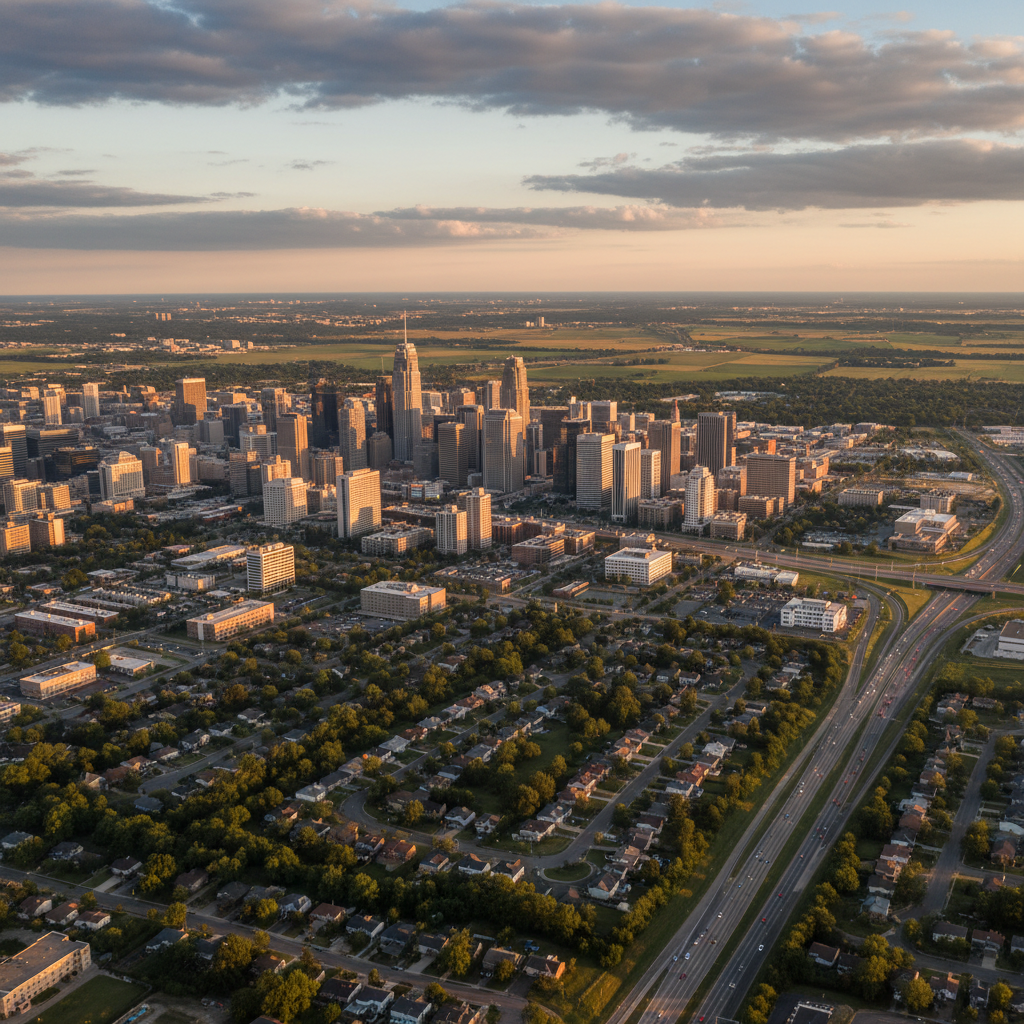
Planning a professional move to the United States requires more than technical qualifications and a job offer: it demands mastery of the processing times that determine when the applicant can actually start working. As of April 2026, USCIS wait times vary drastically depending on the visa category, the processing center in charge, and the complexity of the individual case. An H-1B can take from 4.5 to over 8 months without premium processing, while an L-1 transfer with a blanket petition can be resolved in weeks at the consulate. Understanding these variables is the difference between realistic planning and a transition marked by delays and frustrations.
Why Processing Times Fluctuate
USCIS processing times are not fixed. Three main factors explain the variations applicants face in 2026:
- Petition volume: seasonal peaks, such as the post-H-1B lottery period (April to June), overload the service centers. The California Service Center and the Vermont Service Center, which process most I-129 petitions, operate with queues that vary depending on the time of year.
- Regulatory changes: the implementation of new rules requires training of adjudicators and system adaptation, causing temporary slowdowns. The wage-weighted selection rule for H-1B FY2027, effective since February 2026, led to significant operational adjustments.
- Requests for Evidence (RFEs): when USCIS requests additional documentation, the case is paused until the response is received. RFEs remain the main cause of individual delays, especially for petitions with vague job descriptions or insufficient financial documentation.
H-1B: Lottery and Timelines
The H-1B remains the most sought-after work visa for skilled professionals in the US. Regulated by INA §101(a)(15)(H)(i)(b) and processed via form I-129, it is subject to an annual cap of 65,000 regular visas plus 20,000 for holders of a master’s degree or higher from US institutions.
For FY2027, USCIS implemented a historic change: wage-level weighted selection. Applicants with Level 4 wages receive four entries in the lottery, Level 3 receives three, Level 2 receives two, and Level 1 receives one. The registration period ran from March 4 to 19, 2026, with a fee of $215 per beneficiary, and the petition period runs from April 1 to June 30, 2026.
Processing times as of April 2026:
| Type | Estimated Time | Additional Cost |
|---|---|---|
| Regular processing (I-129) | 4.5 to 8+ months | None beyond petition fee |
| Premium processing (I-907) | 15 business days | $2,965 |
With premium processing, USCIS guarantees a response within 15 business days, whether approval, denial, or RFE. If the deadline is not met, the fee is refunded. For employers with urgent projects, the $2,965 is often justified by the predictability it brings to the timeline.
L-1: Intra-company Transfer
The L-1 visa allows multinational companies to transfer executives and managers (L-1A) or professionals with specialized knowledge (L-1B) from overseas offices to US operations. Regulated by INA §101(a)(15)(L), it is not subject to an annual cap, eliminating the uncertainty of a lottery.
As of April 2026, L-1 processing times are:
- Regular processing: approximately 6.5 months for individual petitions via I-129.
- Blanket petition: companies with blanket approval process transfers directly at the consulate, reducing the timeline to weeks in many cases.
- Premium processing: 15 business days for $2,965, available for I-129 petitions.
- Consular processing: for beneficiaries outside the US, the additional scheduling time ranges from less than a month to over six months, depending on location.
The main cause of delay in L-1 petitions is proving the qualifying corporate relationship between the overseas company and the US entity. Insufficient documentation about the multinational structure or the employee’s role generates RFEs that can add months to the process.
E-2: Treaty Investor
The E-2 visa is intended for citizens of countries with a treaty of commerce and navigation with the US who invest substantial capital in an American business. Brazil does not have an E-2 treaty with the United States, meaning Brazilian citizens are not directly eligible for this category. Brazilians with dual citizenship from an eligible country (such as Italy, Portugal, or Japan) can use this route with the passport of the treaty country.
For eligible nationalities, the E-2 is primarily processed via the consulate, with no prior petition to USCIS required in most cases. The timeline varies by consulate, typically from 2 to 8 weeks for scheduling and adjudication. There is no annual cap, and the visa can be renewed indefinitely as long as the investment remains active and the business operational.
Premium Processing in Detail
Since March 1, 2026, premium processing fees have been adjusted by USCIS. The service is available for the following I-129 petition categories:
- H-1B, L-1, O-1, P-1, TN: $2,965 per petition.
- Guaranteed timeline: 15 business days for a response (approval, denial, or RFE).
- Form: I-907 (Request for Premium Processing Service), submitted with the I-129 petition.
It is essential to understand that premium processing does not increase the chances of approval. It only speeds up adjudication. A petition with weak documentation will receive an RFE just as quickly, and the response time to the RFE is not accelerated by premium processing. Investing $2,965 in a poorly prepared application results only in a faster denial or RFE.
RFEs and How to Prevent Them
A Request for Evidence pauses processing until USCIS receives supplemental documentation. The applicant generally has 87 days to respond. The most common causes of RFEs in 2026 include:
- Generic job description: USCIS requires that the position clearly demonstrates the need for a professional with a specialty degree (for H-1B) or specialized knowledge (for L-1B).
- Inadequate wage relationship: with the new weighted selection rule, discrepancies between the wage level declared at registration and the one actually offered are scrutinized rigorously.
- Insufficient corporate documentation: especially for L-1, proof of the relationship between entities and the multinational structure must be robust and well documented.
- Academic credentials: incomplete equivalency evaluations of foreign degrees or those issued by sources not recognized by USCIS.
The best strategy against RFEs is meticulous preparation from the start: detailed job descriptions with specific requirements, complete financial documentation, credential evaluations from recognized sources, and support letters that demonstrate the beneficiary’s unique qualifications.
Realistic Planning
Building a realistic timeline for obtaining a US work visa should incorporate safety margins at every stage. Proven strategies include:
- Consult official timelines: USCIS publishes updated processing times at egov.uscis.gov/processing-times, segmented by form and service center.
- Add a 30 to 60 day buffer: even with premium processing, unforeseen events such as RFEs or consular delays can occur.
- Negotiate flexible start dates: offer letters with dates contingent on visa approval protect both the employer and the applicant.
- Monitor the Visa Bulletin: for employment-based visas that require adjustment of status (such as EB-2 and EB-3), the availability of visa numbers is an additional factor that impacts the overall timeline.
The work visa processing landscape in 2026 is marked by significant regulatory changes and timelines that require advance planning. Applicants and employers who invest in solid documentation, use premium processing strategically, and maintain flexible schedules have the best chances of a successful transition to the US job market.
Learn more about E-2
- Type
- Non-immigrant
- Initial validity
- 2-5 years
- Extension
- Unlimited (2 years each)
- Processing
- 1-4 months
About the author

Victoria Harper
Editor-in-Chief
As a journalist and lead editor at Visto n’ Visa, Victoria helps ensure that immigration topics are covered in a clear, trustworthy, and easy-to-understand way. Her focus is on delivering useful, human, and relevant content for people exploring new paths abroad.