English
 Português
 Español


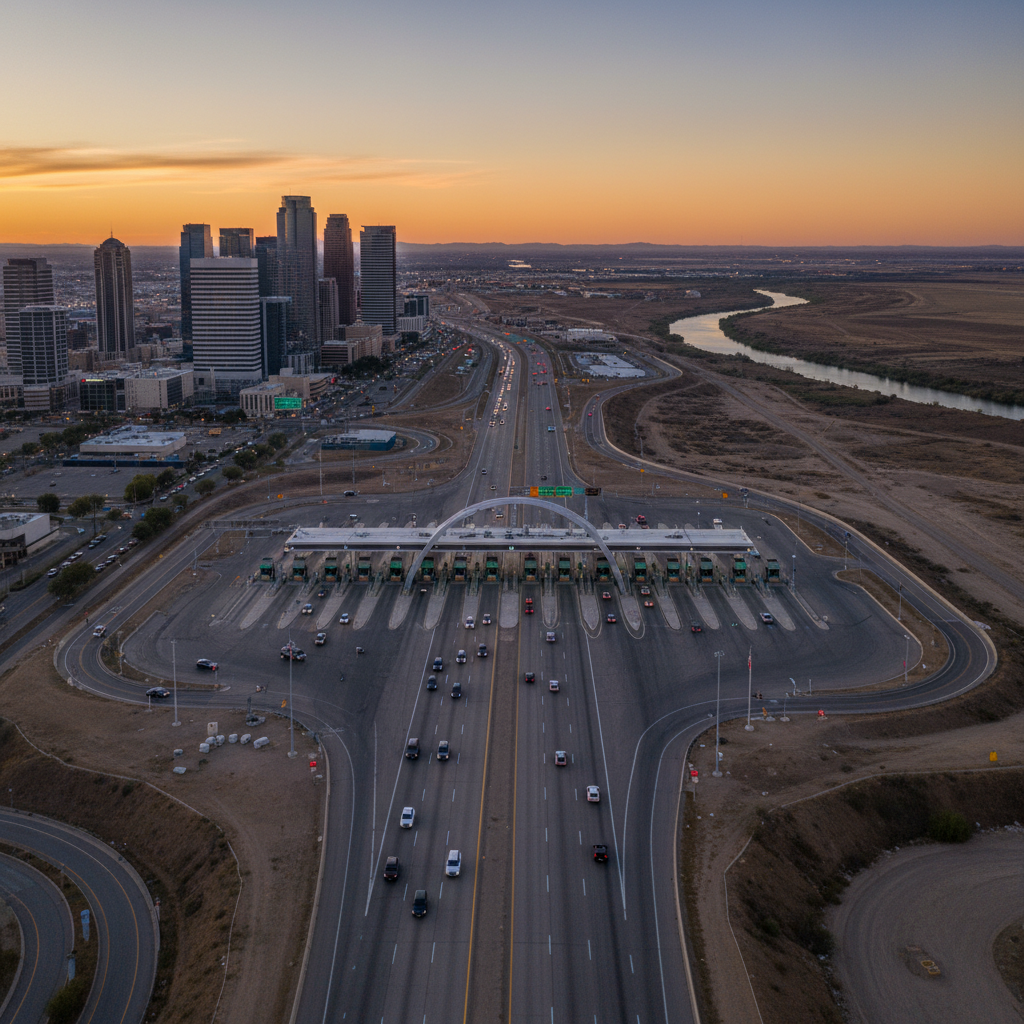
On December 26, 2025, the United States implemented one of the most significant border control changes in the past two decades: facial biometric collection became mandatory, with no age exemptions, for all foreign nationals entering or leaving the country. The rule is enforced by U.S. Customs and Border Protection (CBP) under the Biometric Entry-Exit program, and its practical effects have been felt by travelers at airports, seaports, and land border crossings throughout 2026. For anyone planning to visit, study, work, or legally reside in the United States, understanding what changed is essential to avoid surprises at departure and arrival.
What Changes in Border Inspection
The final rule published by the Department of Homeland Security expands the use of facial recognition at all ports of entry: international airports, land borders with Canada and Mexico, and seaports. Before this change, biometric collection was applied mainly at select air departures and limited pilots. Now, a facial photograph is captured at both entry and exit, and the record feeds a unified database that cross-references entry and exit times to identify overstays.
Another significant expansion is the elimination of age exemptions. Under the previous system, travelers under 14 or over 79 were exempt from facial collection. The new rule eliminates these brackets — children, seniors, and adults all go through the same procedure. The official rationale is to close loopholes exploited by document trafficking networks and to standardize border control across all age groups.
Impact on Green Card Holders
The most significant change affects lawful permanent residents. For the first time, green card holders are systematically included in biometric collection at both entry and exit. They continue to have the right of re-admission to the United States based on Form I-551 (green card), but now undergo the same photo registration applied to tourists and other nonimmigrants.
In practice, this means each international trip by a lawful permanent resident generates a biometric record linked to the individual’s A-Number (Alien Registration Number). This history is now consulted when the resident applies to renew their green card, apply for naturalization (Form N-400), or return after extended absences. Absences exceeding 180 consecutive days still trigger an abandonment-of-residence analysis, and the biometric record makes it easier for USCIS to verify those dates.
Technology and Airport Flow
The infrastructure combines facial capture cameras at primary inspection booths, self-service kiosks, and boarding gates equipped with biometrics. The system compares the captured image against the photograph already on file in the U.S. government database — sourced from passports, visas, Form I-94 records, or green card registrations. When there is a match, clearance is granted in seconds; when there is a discrepancy, the traveler is directed to secondary inspection.
CBP also confirmed that it may collect fingerprints and DNA samples in specific situations provided for by law, such as suspected fraudulent identity or a history of immigration violations. DNA collection, however, remains restricted to individualized cases and does not apply to the regular flow of travelers.
Practical Recommendations for Travelers
To reduce processing time and avoid incidents, travelers should keep their face unobstructed when approaching cameras: no sunglasses, opaque masks, or caps with a brim over the eyes. Travel documents must be up to date — valid passports, green cards within their validity period, and the correct visas for the purpose of the visit.
- Brazilian citizens without a valid U.S. visa still need a B-1/B-2 visa or ESTA where applicable.
- Green card holders should travel with their physical card or, if expired, with a filed Form I-90 and the extension notice issued by USCIS.
- Those enrolled in pre-clearance programs such as Global Entry will have facial recognition integrated into the kiosk, generally speeding up the process rather than slowing it down.
Lines and Processing Times
During the initial adaptation phase, CBP reported average increases in inspection times at land ports and secondary airports, especially during peak hours. The agency estimates that approximately one million people cross U.S. borders each day, combining entries and exits. At airports with mature biometric infrastructure — such as Atlanta, Miami, Los Angeles, and New York — the impact on lines has been modest. At land borders with Mexico and Canada, the learning curve of the new technology still causes occasional delays.
Privacy and Data Retention
DHS has established retention protocols: facial images of U.S. citizens are deleted within twelve hours of verification, while images of non-citizens are stored for up to seventy-five years in the IDENT/HART system. This difference in treatment is the subject of challenges by civil liberties organizations but remains in effect as official policy.
For readers planning to immigrate or travel to the United States in 2026, the main message is clear: the U.S. border has been irreversibly digitized, and the biometric record is now a permanent part of the immigration file of anyone who crosses the country. Keeping documents organized, understanding the deadlines for one’s own immigration status, and following official CBP announcements at cbp.gov are basic habits for anyone traveling between Brazil and the United States.
About the author

Victoria Harper
Editor-in-Chief
As a journalist and lead editor at Visto n’ Visa, Victoria helps ensure that immigration topics are covered in a clear, trustworthy, and easy-to-understand way. Her focus is on delivering useful, human, and relevant content for people exploring new paths abroad.