English
 Português
 Español


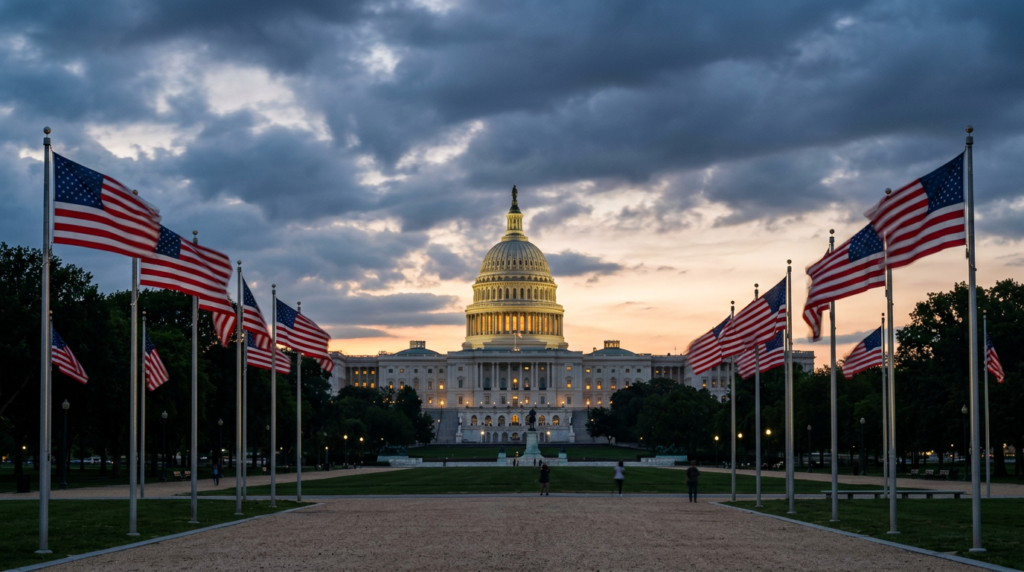
Debates about immigration policy in the United States have always been intertwined with electoral moments, revealing historical divergences and global challenges. Over the years, especially during and after the 2020 election period, the US has undergone significant transformations that have shaped the way immigrants are received and regulated. In 2026, even with a different political landscape, the lessons learned and historical changes continue to influence government strategies and opportunities for immigrants.
Legacy of past elections
In the years leading up to and following the 2020 election, the US immigration landscape was deeply impacted by political disputes and the polarized proposals of the candidates. During the administration that adopted a more restrictive stance, more than 400 executive orders were issued with the aim of limiting the entry of certain immigrants, affecting well-known programs such as DACA and restricting asylum grants. In response, subsequent administrations implemented measures to reverse some of these restrictions, demonstrating how electoral debates can redefine immigration policy.
Examples of these moments include the strict enforcement of border security policies and the intensification of migration control, which sparked intense discussions both domestically and internationally. Although these measures generated controversy, they highlighted the importance of immigration for the economic growth and cultural diversity of the United States, serving as a starting point for future legislative reviews and policy adjustments.
Evolution of immigration policy
Over the years, the American migration landscape has undergone restructurings and adaptations that reflect both internal changes and influences from global trends. Data released in previous periods indicated that the US was home to about 50 million immigrants, representing a significant portion of the total population. However, it is important to interpret these numbers with caution, as legislative processes and changes in guidelines can alter the scenario at any time.
In addition to executive orders, immigration policy has been adjusted through legislative reforms and judicial decisions that sought to balance national security interests with the need to attract international talent. This delicate balance highlights the constant tension between internal protection measures and openness to an increasingly globalized world, where competitiveness and innovation are essential.
Impacts for Brazilian immigrants
The relevance of the immigration issue for Brazilians remains high, even in the face of the transformations that have occurred in the US. Historically, the United States stands out as a preferred destination among Brazilians seeking better economic and professional opportunities. Data from previous periods indicated that a significant portion of Brazilians chose the US, attracted, among other factors, by the possibility of personal development and integration into a robust labor market.
The profile of the Brazilian immigrant has evolved over time. Previously characterized by more basic qualifications, many now seek academic and professional improvement, aligning themselves with the demands of strategic sectors such as technology, health, engineering, and law. This transformation reflects the need for immigrants to adapt to market changes and highlights the importance of staying informed about updates to immigration policies.
Future challenges and opportunities
Even in an environment of constant change, the challenges and opportunities in the immigration landscape remain deeply interconnected. Political uncertainty, coupled with legislative reviews, can influence both access and rights for immigrants, requiring those who wish to migrate to always be alert to regulatory changes. The 2026 environment underscores the need for continuous analysis of public policies, especially during periods of political transition, when new guidelines may be implemented.
The influence of global economic dynamics is also observed, as innovation and technology create a demand for professionals with specialized skills. Thus, the United States’ ability to attract and retain international talent becomes a key competitive advantage. For immigrants, this context means that constant updating and adaptation are essential to take advantage of emerging opportunities and face the challenges that may arise with each electoral cycle.
- Liberalization and tightening: different moments reveal diverse approaches in the formulation of migration policies;
- Adapting to challenges: the labor market requires constant updating of skills;
- Impact of reforms: legislative changes can affect both immigrants and the business sector;
- Global perspective: US policies reflect an interaction between internal interests and the country’s international position.
Reflection on the legacy
When analyzing the political movements and reforms implemented over the past years, it becomes clear that immigration policy goes far beyond simple administrative measures. It reflects a complex process of social and economic transformation, in which political decisions have long-term impacts on the composition and development of the country. Each electoral cycle, with its proposals and measures, has contributed to building a legacy that continues to influence the debate on immigration at a global level.
The historical trajectory of the United States regarding immigration demonstrates how policy fluctuations can contribute to a more diverse and resilient society. Through the constant reassessment of implemented measures, the country seeks not only to protect its internal market but also to ensure that the entry of talent continues to drive innovation and economic growth.
In 2026, the United States remains an attractive destination, where challenges and opportunities go hand in hand. Regardless of political changes, the country maintains its plural character and the ability to reinvent its migration guidelines to respond to the demands of an increasingly interconnected world. Thus, closely following legislative changes and political debates remains essential for immigrants and for all those interested in the phenomenon of global mobility.
About the author

Victoria Harper
Editor-in-Chief
As a journalist and lead editor at Visto n’ Visa, Victoria helps ensure that immigration topics are covered in a clear, trustworthy, and easy-to-understand way. Her focus is on delivering useful, human, and relevant content for people exploring new paths abroad.