English
 Português
 Español


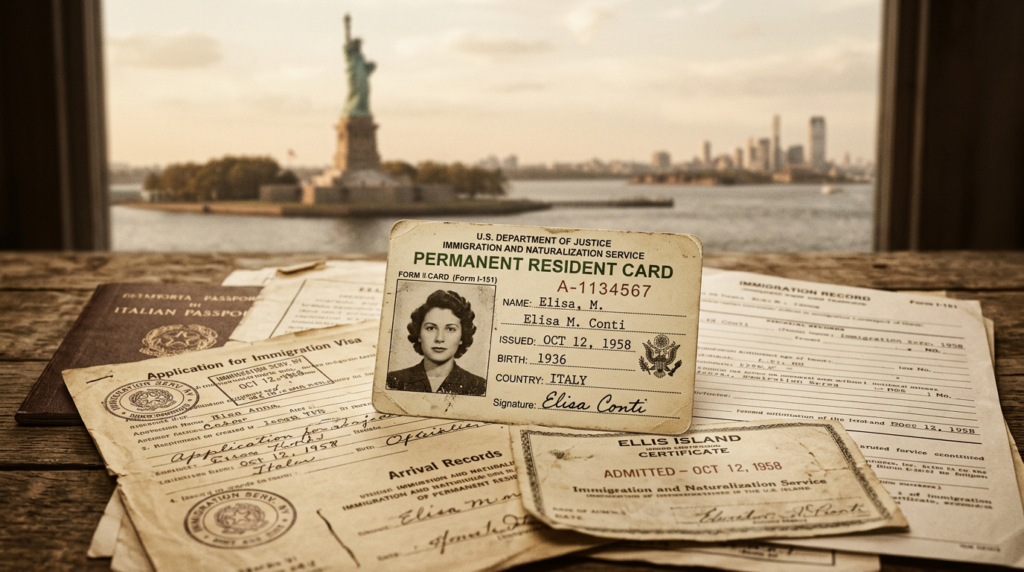
The green card, a term popularly used to refer to the US Permanent Resident Card, represents much more than a piece of paper: it is the key to legally residing, working, and studying in the United States. This document, which has undergone various transformations over time, retains in its name the legacy of an era when it was actually printed in a greenish hue. Its history and the various paths to obtaining it spark the interest of people seeking new opportunities for mobility and integration.
Historically, the green card originated in a context of immigration control and organization, and even with numerous changes in its design and security measures, the name has remained strong in the popular imagination. Currently, although the card is no longer green, it continues to symbolize access to essential rights and a life full of opportunities in the US. However, it is worth noting that the data used to illustrate its trajectory – such as 2019 statistics – may have been updated, so those interested should always consult official sources.
This article explores the origin, evolution, rights, duties, and main methods for obtaining the green card, providing a comprehensive overview of one of the most coveted documents by immigrants aspiring to American life. The information presented here is a starting point for those who wish to delve deeper into the subject, but it is essential to keep up with updates in immigration policies through official sources.
History and Evolution
The green card, officially called the US Permanent Resident Card, emerged at a time when the United States needed to organize the entry of immigrants. In the 1930s, the document was produced in a green color, which inspired the popular name that persists to this day. Over time, as technologies and document security systems evolved, the card underwent several aesthetic and functional redesigns, but its name remained unchanged.
Data released by USCIS in 2019 indicated that there were approximately 13.2 million green card holders in the country. However, these statistics may have been revised in recent years, following changes in immigration policies and migration flows. In addition, the modernization of the document has incorporated new technologies to prevent fraud and enhance its security, reflecting a constant process of adaptation to the country’s needs.
Over the decades, debates on immigration and adjustments to the laws governing the granting of the green card highlight the importance of this document for the integration of immigrants into American society. Constant legislative changes and economic demands make the green card a dynamic and ever-evolving element, making it clear that its history is closely linked to the challenges and advances of US immigration policies.
Rights and Duties of Holders
Obtaining the green card means gaining access to a wide range of rights that enable the building of a full life in the United States. With it, permanent residents can work in various fields, access the educational system, enjoy health services, and even, in the future, apply for American citizenship – provided they meet legal criteria, such as the minimum residency period and absence of a criminal record.
However, these rights come with responsibilities. Maintaining permanent resident status requires the holder to maintain an effective presence in the country, avoiding prolonged absences that could compromise their eligibility. Staying outside the United States for consecutive periods longer than 12 months can lead to loss of status, jeopardizing the right to return without intervention from immigration authorities.
Common Rights
- Freedom to work in various professional fields
- Access to educational institutions and training programs
- Possibility to enjoy social and health benefits in certain regions
- Option to apply for American citizenship after meeting legal requirements
Responsibilities of Residents
- Maintain residence and effective ties with the United States
- Avoid prolonged absences that could compromise status
- Update documentation and comply with current legal regulations
- Respect the laws and regulations of the country
Paths to Obtain the Green Card
There are several ways for a foreigner to obtain the green card, each with specific requirements and processes. The choice of the most suitable method depends on the candidate’s profile, qualifications, and personal circumstances. Below, we detail the main categories that make it possible to obtain this important document.
Through Family
The family relationship path is one of the most traditional and widely used ways to obtain the green card. Children, spouses, parents, and, in certain situations, siblings of American citizens can initiate the process with USCIS. This method requires documentary proof of the relationship, which may include birth certificates, marriage certificates, photos, and other records that attest to the family connection.
Typically, approval times vary according to the family category. Spouses, for example, usually have priority and shorter waiting times, while other categories may face long waits due to annual visa limits established by law. Therefore, it is essential that those interested are aware of the different processing times and specific requirements for each case.
Through Investment
Another way to obtain the green card is through investment, via the EB-5 visa. This program was created to encourage economic development in the United States, allowing foreign investors to obtain permanent residency by making a significant financial contribution to enterprises that generate at least 10 jobs for American citizens.
In previous years, the required investments were set at around USNULL thousand for projects located in areas with high unemployment rates, or USNULL.8 million in metropolitan regions. It is important to note, however, that these amounts and conditions may have changed in recent years. Initially, the investor receives a provisional green card, which may become permanent after verification of the project’s success, usually in a period ranging from two to three years.
Through Employment
Obtaining the green card through employment is especially aimed at professionals who have qualifications and experience in high-demand areas such as technology, healthcare, engineering, and other specialties. In this method, the candidate may have their qualifications evaluated based on their professional background and their ability to contribute to the American economy, even if in some cases a formal job offer is not required.
This modality has gained prominence in a global scenario where the shortage of talent in certain sectors makes foreign professionals highly valued. The process involves a detailed verification of professional history, certifications, and, in some situations, proof of exceptional skills that meet the criteria set by immigration authorities.
Through Marriage
Marriage to an American citizen is a widely used option for those seeking to obtain the green card. Although it is a relatively straightforward path, the process requires rigorous proof of the authenticity of the relationship. Couples must present a series of documents, such as certificates, photos, statements, and other records that corroborate the veracity of the marital bond.
The authenticity of the marriage is examined in detail by immigration authorities to prevent fraud. Thus, it is essential that those interested are prepared to gather a robust set of evidence, which will ensure a smoother process and increase the chances of approval.
Green Card Lottery
The Diversity Visa Program, known as the green card lottery, is an initiative that seeks to promote diversity among immigrants in the United States. Each year, the government draws between 50,000 and 55,000 visas for candidates from countries with low representation in the country.
To participate, candidates must meet basic requirements, such as completing high school or proving equivalent professional experience. Even after being selected by lottery, candidates undergo rigorous interviews and evaluations to confirm eligibility. Although based on chance, the lottery is an important gateway that has helped diversify the population of permanent residents.
Final Considerations
In summary, the green card remains the main instrument for obtaining permanent residency in the United States, offering countless opportunities but also requiring strict compliance with duties and responsibilities. Its historical trajectory, marked by the evolution of design and security measures, reflects the constant transformations in the American immigration landscape.
The different paths to obtaining it – whether through family, investment, employment, marriage, or the lottery – show that there are alternatives available for various profiles. Each modality has its own criteria and challenges, and the applicant must pay attention to deadlines and required documentation, as conditions may be revised over time.
In addition, the rights associated with the green card, such as access to work, education, and health opportunities, are inextricably linked to the obligations of maintaining a strong connection with the country. This responsibility includes the need to plan absences and keep documentation up to date, ensuring that legal status is not compromised.
Finally, it is crucial that those interested constantly check for updates in immigration policies by consulting official sources such as the USCIS website. With frequent changes in the immigration landscape, staying informed is essential to conduct the process safely and effectively, ensuring that all requirements are in compliance with current laws.
Learn more about EB-5
- Type
- Investment Green Card
- Min. investment
- US$ 800,000
- Jobs created
- Minimum 10 (full-time)
- Processing
- 24-48 months
About the author

Victoria Harper
Editor-in-Chief
As a journalist and lead editor at Visto n’ Visa, Victoria helps ensure that immigration topics are covered in a clear, trustworthy, and easy-to-understand way. Her focus is on delivering useful, human, and relevant content for people exploring new paths abroad.