English
 Português
 Español


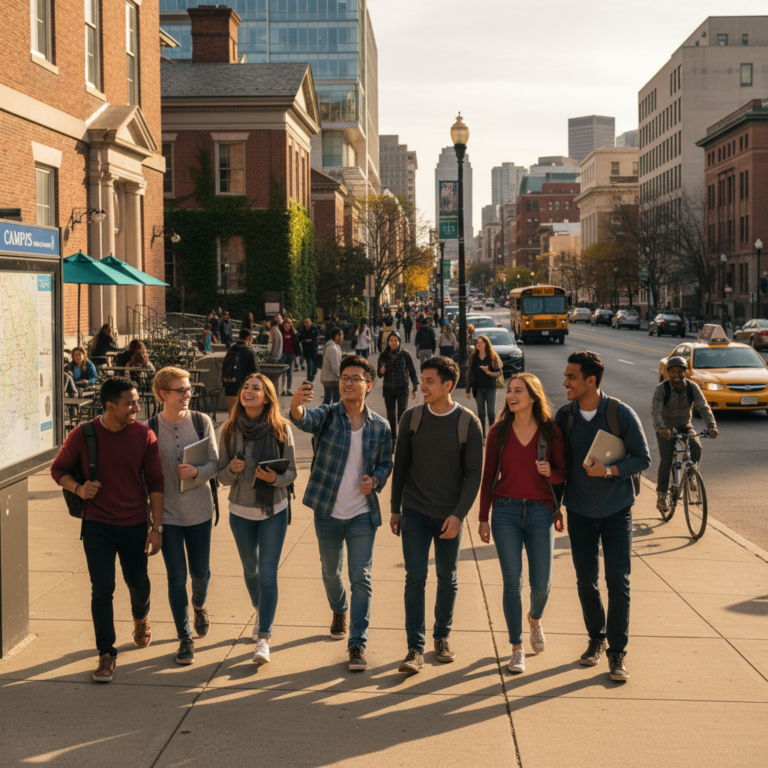
When considering on-campus housing, it is important to understand that it is an option offered by universities to facilitate the transition of international students to the academic environment in the United States. In the context of the F visa, living on campus can provide several advantages but also requires attention to specific details from both the institution and immigration requirements.
Firstly, campus housing is managed by the university itself, which organizes the allocation of students in student residences or dormitories. Generally, this service is available from the admission process or shortly after classes begin, and each institution sets its own criteria and deadlines for requesting it.
Accommodations vary from single rooms to shared dormitories, often with common areas, cafeterias, and social spaces that facilitate integration with the student community. Besides the benefits of proximity to classrooms and university services, living on campus can provide a safe environment that encourages multicultural contact and essential social support for international students.
However, it is fundamental that students inform themselves about the specific rules of each residence, which may include curfews, visitor policies, and coexistence regulations. Therefore, it is recommended to access official university channels or contact the responsible departments to obtain up-to-date and complete information.
It is also crucial to remember that maintaining regular immigration status is an obligation for students with an F visa. Complying with enrollment rules and other visa requirements helps avoid legal complications. Thus, seeking guidance from reliable immigration consultants and official sources is indispensable in your educational journey. This will help prevent risky situations, such as scams or unfounded promises through marketing campaigns guaranteeing facilitated results.
In summary, on-campus housing can offer an ideal environment for integration and support during the academic period, but it demands attention both to institutional guidelines and immigration regulations. Investing time to seek accurate information and follow official recommendations is an important step to ensure a smooth and successful experience in the United States.
Learn more about F-1
- Duration
- Duration of studies
- OPT (STEM)
- Up to 3 years of work
- CPT
- Work during studies
- Processing
- 2-8 weeks
Tags
About the author

Victoria Harper
Editor-in-Chief
As a journalist and lead editor at Visto n’ Visa, Victoria helps ensure that immigration topics are covered in a clear, trustworthy, and easy-to-understand way. Her focus is on delivering useful, human, and relevant content for people exploring new paths abroad.