English
 Português
 Español


Who Lives in Mandan: Volga Germans, Native Americans, and Young Families
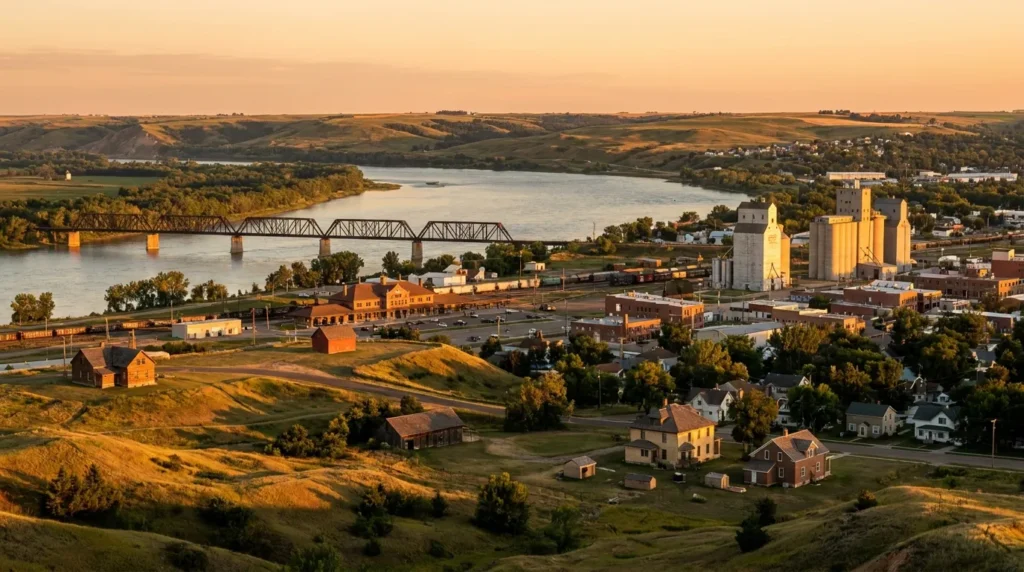
Most residents descend from Germans from Russia (Volga Germans) and Norwegians. The Native American presence is significant given the proximity to reservations. Young families relocate from Bismarck for lower housing costs.
Mandan has a strong identity tied to the Germans from Russia, ethnic Germans who lived in Russia before migrating to North Dakota in the late nineteenth century. Surnames such as Wolf, Heinz, Schmidt, Kuntz, and Walter are common throughout the city. Their influence is evident in local dishes like knoephla, kuchen, halušky, and fleischkuekle, which have been part of the local cuisine for generations.
Norwegian and Swedish heritage also carries weight, though less so than in Fargo or Grand Forks. The Native American presence is notable given the proximity to the Standing Rock Reservation, with members of the Lakota and Dakota Nations living and working in the city. The United Tribes International Powwow in Bismarck draws tribes from across the region.
Young families from Bismarck seeking lower costs form a steady stream of new residents. The Hispanic community has grown in recent years, though it remains small. The population skews younger than the state's rural average, with the median age pulled down by families with school-age children.
- English
- Spanish
- German (heritage)
- Lakota/Dakota
- Catholicism
- Lutheranism
- Pentecostalism
- Native spiritualities
- No religion