Visto n' Visa
Blog
Notícias e artigos
Destinations
Careers
Immigrants

Want to live and work in Gastonia?

Personalized immigration plan with eligible visas, costs, and next steps for your goal!

If you are not eligible, you will know exactly why and what to do to improve your approval chances.

Save up to 12 hours in meetings

No pointless assessments.

Save up to 90%

Save money on vague or unfocused consultations

Avoid Fraud and Mistakes

One mistake can cost you your visa

Total Impartiality

Zero commercial bias

Decide with peace of mind

No toxic urgency

Fast and Accurate

Answers in minutes, no guesswork

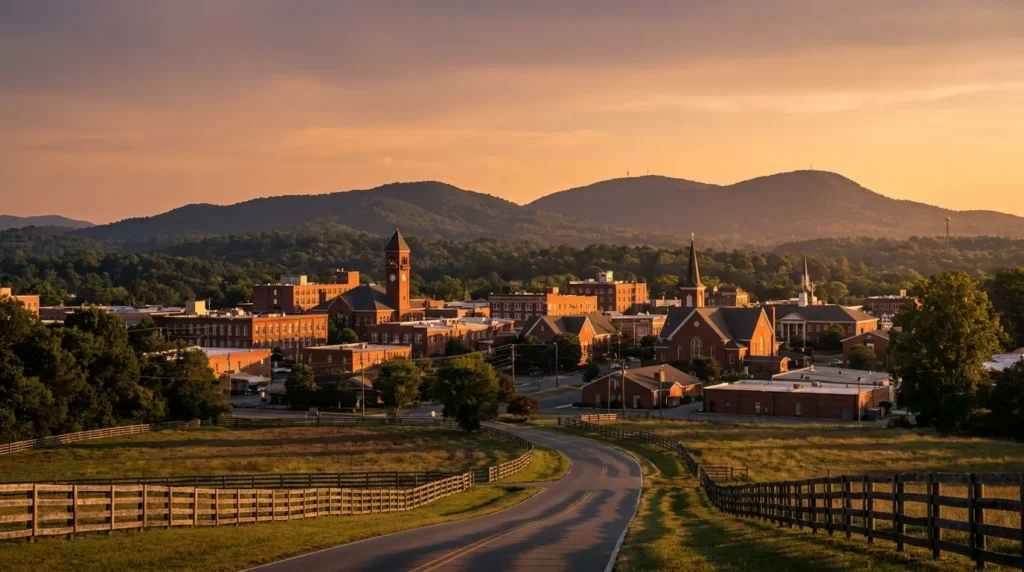
Diverse population with a strong Latino presence and growing Asian community

About 81,000 residents, with a white majority followed by African Americans and a Hispanic community that has expanded rapidly over the past two decades.

Gastonia has a demographic profile typical of North Carolina's Piedmont: a white majority of Anglo-Saxon and Scots-Irish descent, a historically rooted African American community representing about a quarter of the population, and a growing Hispanic population that now exceeds 15%. Latin American migration arrived mainly over the past two decades, drawn by jobs in construction, agriculture, and services.

English is the dominant language, but Spanish appears naturally in public schools, businesses, and health services. There are also smaller communities of Indian, Vietnamese, and Laotian origin, a legacy of earlier waves of Southeast Asian refugees welcomed by the region in the 1970s and 1980s.

Evangelical and Baptist Christianity predominates, reflecting the strong religious tradition of the so-called Bible Belt. Catholic parishes have grown with the Hispanic influx, alongside historic Methodist churches and several Pentecostal congregations of Latin American and African origin scattered throughout the neighborhoods.

Languages spoken
  • English
  • Spanish
  • Vietnamese
  • Hindi
Main religions
  • Evangelical Christianity
  • Baptist
  • Catholic
  • Methodist
  • Pentecostal

Cost of living well below Charlotte's average

Gastonia is one of the most affordable cities in the Charlotte metropolitan area, with rents and home prices significantly lower than those of the regional capital.

The cost of living in Gastonia runs between 10% and 15% below the national average and is considerably more affordable than Charlotte, which has seen sharp price increases in recent years. Renting a one-bedroom apartment in a decent neighborhood costs a fraction of what a comparable unit would run in downtown Charlotte, and three-bedroom houses with yards are still within reach for those earning median wages.

Grocery chains such as Food Lion, Aldi, and Walmart Supercenter dominate everyday shopping, with prices in line with the rest of inland United States. Local restaurants are inexpensive compared to major cities, and gasoline tends to be cheaper here than in neighboring South Carolina or northeastern states.

Property taxes in North Carolina are moderate, and the state carries a relatively low income tax rate. Health insurance remains the biggest strain on household budgets, especially for the self-employed, but the overall picture makes Gastonia attractive for families seeking space without high costs.

93Cost index (US = 100)7% below US average
CategorySingleCoupleFamily (2 + 2)
iHousing$1,208$1,394$1,765
iFood$353$707$1,283
iTransport$465$790$1,022
iHealthcare$260$520$975
iChildcare$1,692
iOther$790$1,422$1,998
Monthly total$3,076$4,833$8,735

Source: U.S. BLS Consumer Expenditure Survey 2023 + BEA Regional Price Parities 2023 · Estimates in USD, monthly.

Affordable homes with yards and a revitalizing downtown

Real estate market dominated by single-family homes with yards at prices well below Charlotte. Historic neighborhoods are being rediscovered by young families.

The dominant housing type is the one- or two-story single-family home with a yard, garage, and central air conditioning. Neighborhoods such as Brookwood, York Chester, and Highland Historic District feature homes from the 1920s and 1930s being restored, while newer subdivisions around Cox Road offer modern homes with HOA management.

Apartments are a minority, concentrated in complexes along Franklin Boulevard and near Gaston College. Rents have risen in recent years as Charlotte's growth spills over, but remain among the lowest in the metropolitan area.

For those commuting to Charlotte, eastern neighborhoods such as Cramerton and McAdenville sit closer to I-85 and trim a few minutes from the commute. Families with children tend to prioritize areas within the Forestview High School district, considered the best in the region.

Recommended neighborhoods
  • Brookwood
  • York Chester
  • Highland Historic District
  • Robinwood
  • Cramerton
  • +1 more

Healthcare, manufacturing, and proximity to Charlotte's financial hub

Local employment concentrated in healthcare, light manufacturing, and logistics. Many residents commute to Charlotte for banking, technology, and aviation jobs.

The largest local employer is CaroMont Health, which operates the regional CaroMont Regional Medical Center and a network of clinics across North Carolina. Manufacturing still carries significant weight, with modern textile fiber plants, packaging facilities, auto parts suppliers, and chemical producers spread across the industrial parks surrounding the city.

Logistics jobs have grown with the expansion of Charlotte Douglas International Airport (CLT), the primary hub for American Airlines, and the arrival of distribution centers in the region. For those in technology, finance, or aviation, the commute to downtown Charlotte or Fort Mill in South Carolina makes sense given Gastonia's lower cost of living.

The market for recently arrived immigrants is strong in construction, landscaping, commercial cleaning, restaurants, and technical-level healthcare. Spanish fluency is a real advantage in several sectors. Average wages are lower than in Charlotte but align with local living costs.

Dominant sectors
  • Healthcare
  • Manufacturing
  • Logistics
  • Construction
  • Retail
  • +1 more
Major employers
  • CaroMont Health
  • Gaston County Schools
  • Walmart
  • Freightliner
  • Parkdale Mills
  • +1 more

Local community college and Charlotte-area universities within half an hour

Higher education centered on Gaston College, a local community and technical college. Research universities in the greater Charlotte area are less than 40 minutes away.

Gaston College, with its main campus in Dallas (a neighboring town) and a unit in Belmont, is the primary technical higher education option in the area. It offers two-year programs in nursing, advanced manufacturing, information technology, and transfer programs that feed into North Carolina public universities.

For full four-year degrees, residents typically attend UNC Charlotte, Belmont Abbey College (a private Catholic college in Belmont), or Davidson College in Davidson, all less than 40 minutes away. The Gaston County Schools public system serves about 32,000 students, with Forestview High and Stuart W. Cramer High among the most highly rated.

Charter schools such as Mountain Island Charter School and some private religious education options, particularly Catholic and Baptist, are also available. For immigrant families, English as a Second Language programs are offered in public schools and through community nonprofits.

Notable universities
  • Gaston College
  • Belmont Abbey College
  • UNC Charlotte (40 min away)
  • Davidson College (40 min away)

Strong regional hospital and access to major Charlotte medical centers

CaroMont Regional Medical Center covers most needs. For complex cases, specialized hospitals in Charlotte are 30 minutes away.

CaroMont Regional Medical Center is Gastonia's main hospital, with approximately 435 beds, a 24-hour emergency department, maternity ward, cardiac center, and oncology unit. The CaroMont Health network also operates dozens of primary care and specialty clinics throughout the city and surrounding communities.

For highly specialized procedures, transplants, or advanced oncology treatments, patients are typically referred to Atrium Health (formerly Carolinas Medical Center) and Novant Health in Charlotte, both regional referral centers. The proximity is a significant advantage for complex cases.

For uninsured immigrants, community clinics such as Gaston Family Health Services operate on a sliding-scale basis, and pharmacies offer low-cost medication programs. Mental health services remain limited in the area, a challenge common to mid-size American cities.

Gastonia

Mid-size city with quiet neighborhoods and pockets requiring more caution

Crime rates above the national average, concentrated in specific areas. Residential and suburban neighborhoods are considered safe for families.

Gastonia, like many mid-size cities in the southern United States, has crime rates slightly above the national average, with concentrations in specific parts of downtown and the east side. Violent crime appears in the statistics, but theft and residential burglary are the most common everyday concerns.

Suburban neighborhoods such as Robinwood, Cramerton, McAdenville, and newer subdivisions north of Cox Road are considered very safe, with low crime rates and an active police presence. Downtown has become more active and safer following revitalization, especially during events and business hours.

Standard urban precautions apply: avoiding abandoned industrial areas at night, keeping vehicles locked, and exercising basic caution in empty parking lots. For families, neighborhood selection is far more determinative of day-to-day safety than citywide statistics.

Safer neighborhoods
  • Robinwood
  • Cramerton
  • McAdenville
  • Brookwood
  • Highland Historic District
  • Cox Road subdivisions
Areas to avoid
  • industrial areas around Franklin Boulevard at night
  • vicinity of the former factory district in the south of downtown

Car-dependent, but with easy access to Charlotte's international airport

A city built around the car, with I-85 running through the area and Charlotte's international airport less than 30 minutes away. Local public transit is limited.

As in nearly all mid-size cities in the southern United States, having a car is practically mandatory in Gastonia. I-85 cuts through the city east to west and leads directly to Charlotte in 25 to 35 minutes outside peak hours, or to Spartanburg and Greenville in about an hour.

Public transit is provided by Gastonia Transit, with several bus routes covering basic corridors throughout the city, useful for occasional trips but insufficient for those working outside the city center or with demanding schedules. A CATS Express service connects Gastonia to downtown Charlotte for commuters.

Charlotte Douglas International Airport (CLT) is about 30 minutes away via I-85, offering nonstop flights throughout the United States, Latin America, and Europe. For cyclists, greenways such as the Avon Creek Greenway and bike lanes cover parts of downtown, though the network remains limited outside these areas.

Airports
  • CLT — Charlotte Douglas International (30 min)
  • AKH — Gastonia Municipal (general aviation)
  • Bike infrastructure

Climate

Gastonia

Textile heritage, country music, and a gastronomic renaissance

A culture shaped by textile labor history, country and bluegrass roots, and a food scene that blends traditional BBQ with newer Latin American and Asian restaurants.

Gastonia's cultural identity is tied to the era of textile factories, which shaped entire neighborhoods and gave the city a reputation as a fiber capital in the United States. The Loray Mill, site of the historic 1929 strike, has been converted into a residential and cultural complex, symbolizing the city's transition from industrial hub to post-industrial community.

The food scene revolves around North Carolina-style BBQ, with vinegar-and-pepper sauce served at traditional establishments such as R.O.'s Bar-B-Cue. Mexican and Central American restaurants have spread along Franklin Boulevard, and downtown has gained craft breweries, cafes, and bistros in recent years.

Events such as Crusin Gastonia, featuring classic cars downtown, and the McAdenville Christmas Town USA holiday festival, which draws half a million visitors every December, mark the local calendar. The Schiele Museum of Natural History offers natural history exhibits and a planetarium heavily visited by schools throughout the region.

Notable dishes
  • Carolina-style BBQ (vinegar-based sauce)
  • Hushpuppies
  • Southern fried chicken
  • Pulled pork sandwich
  • Sweet tea
  • +1 more
Annual events
  • Crusin Gastonia
  • McAdenville Christmas Town USA
  • Gaston County Fair
  • Down by the River Festival
  • Gastonia Grizzlies baseball season

Museums, parks, and a gateway to the Blue Ridge Mountains

Local attractions focused on natural history, industrial heritage, and nature. The location allows quick getaways to nearby mountains and lakes.

The Schiele Museum of Natural History is the leading cultural attraction, with dinosaur exhibits, native fauna displays, a reconstructed colonial village, and a planetarium. The Loray Mill, a former textile factory now converted, houses a small museum on the city's labor history and the 1929 strike, a landmark in the American labor movement.

Crowders Mountain State Park, 15 minutes from Gastonia, offers hiking trails with panoramic views, rock climbing, and picnic areas, and is one of the most popular destinations among local residents. The Daniel Stowe Botanical Garden in Belmont spans 380 hectares of themed gardens and a tropical orchid center.

The region also offers Lake Wylie and Mountain Island Lake for water sports, fishing, and boating, as well as the FUSE District downtown, a new stadium and entertainment area that hosts the baseball team and outdoor concerts during the season.

  1. 1Schiele Museum of Natural History
  2. 2Loray Mill
  3. 3Crowders Mountain State Park
  4. 4Daniel Stowe Botanical Garden
  5. 5FUSE District
  6. 6Rotary Centennial Pavilion
Parks & green spaces
  • Crowders Mountain State Park
  • Lineberger Park
  • Rankin Lake Park
  • Avon Creek Greenway
  • Martha Rivers Park
  • +1 more

Growing Latino community and longtime Southeast Asian residents

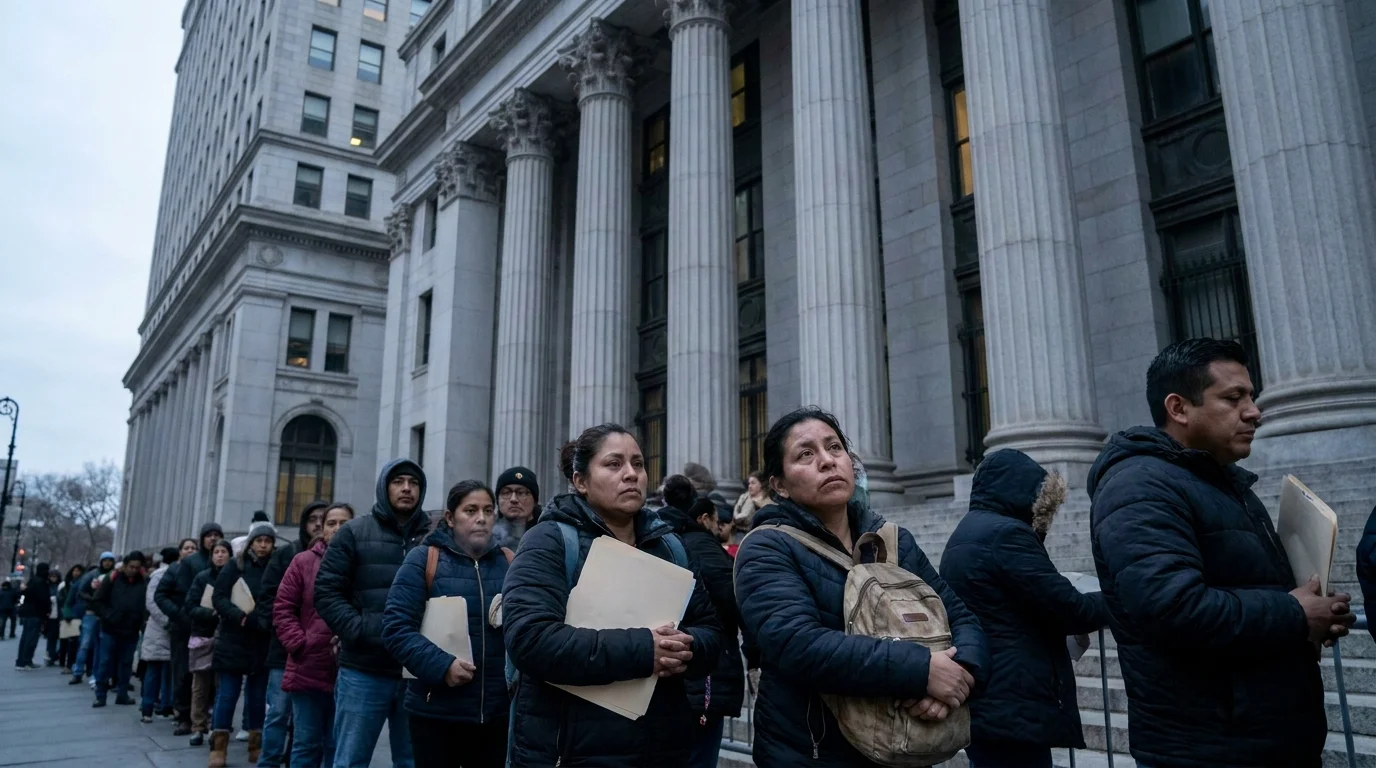
Immigration concentrated among Latin Americans (especially Mexicans and Central Americans), with a historical presence of Vietnamese and Laotian residents and recent growth among Indians.

Gastonia's immigrant community has grown sharply over the past two decades, driven primarily by the arrival of Mexicans, Hondurans, Guatemalans, and Salvadorans drawn by jobs in construction, agriculture in neighboring counties, and services. Today, Franklin Boulevard has Latin American markets, tortillerias, panaderias, and eateries serving the community.

There are also older clusters of Vietnamese and Laotian immigrants, descendants of refugee waves welcomed by the region after the Vietnam War. These groups maintain Buddhist temples, Asian markets, and pho restaurants spread throughout the city and Charlotte. Indians and Filipinos have grown in numbers with the influx of healthcare professionals.

For support, the region has Mexican consular offices in Charlotte and Raleigh, along with organizations such as the regional Hispanic Federation and Catholic Charities Diocese of Charlotte, which assist immigrants with English classes, legal aid, healthcare referrals, and programs for newly arrived families.

9,500
Foreign-born residents
estimated
Top countries of origin
  • Mexico
  • Honduras
  • Guatemala
  • El Salvador
  • Vietnam
  • India
  • Philippines
  • Laos
Foreign consulates
  • Mexican Consulate General in Raleigh
  • Honorary Consulate of El Salvador in Charlotte
  • Honorary Consulate of Guatemala in Raleigh
  • Honorary Consulate of Vietnam in Atlanta
Community organizations
  • Catholic Charities Diocese of Charlotte
  • Hispanic Federation Carolinas
  • Latin American Coalition (Charlotte)
  • Gaston Family Health Services
  • Carolinas Asian-American Chamber of Commerce

Latest posts

Posts about North Carolina

Coverage and updates related to this destination.

Showing content from North Carolina, as there is no specific data for Gastonia yet.