Visto n' Visa
Blog
Notícias e artigos
Destinations
Careers
Immigrants

Want to live and work in Norfolk?

Personalized immigration plan with eligible visas, costs, and next steps for your goal!

If you are not eligible, you will know exactly why and what to do to improve your approval chances.

Save up to 12 hours in meetings

No pointless assessments.

Save up to 90%

Save money on vague or unfocused consultations

Avoid Fraud and Mistakes

One mistake can cost you your visa

Total Impartiality

Zero commercial bias

Decide with peace of mind

No toxic urgency

Fast and Accurate

Answers in minutes, no guesswork

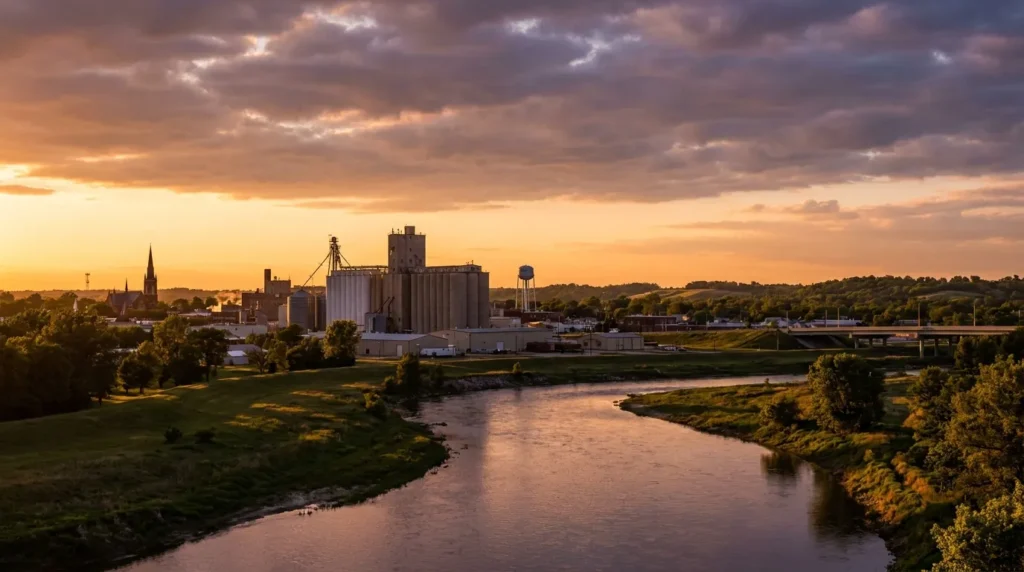
Traditional city with a growing Latino presence

White majority with German, Scandinavian, and Czech roots. The Latino community has grown over recent decades driven by Tyson and agriculture, with a Mexican and Central American presence.

Norfolk has a white majority with strong German, Scandinavian, Czech, and Luxembourgish roots. The agricultural and railroad history shaped the city's identity, with Lutheran and Catholic churches as pillars of social life. Surnames like Schroeder, Petersen, and Johnson are common throughout the area.

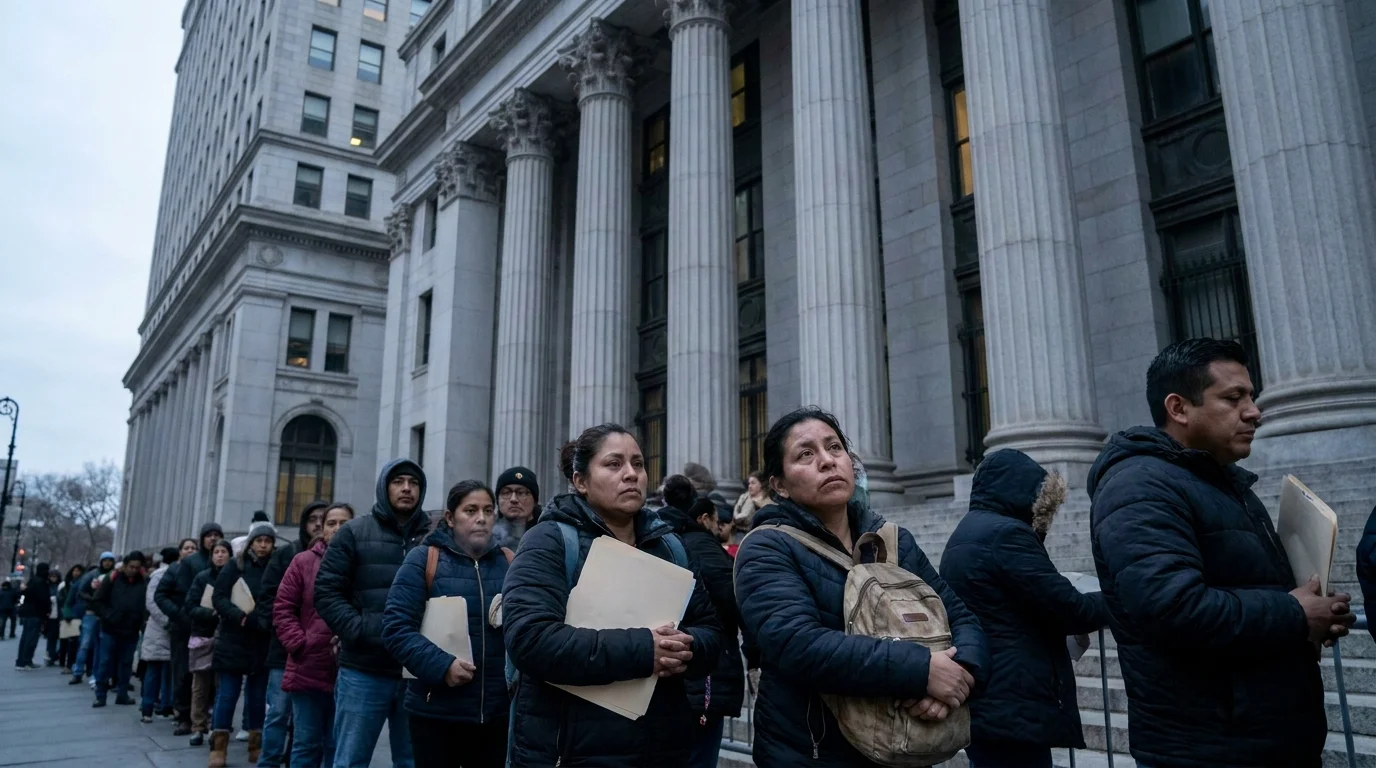
The Latino community has grown rapidly over the past two decades, driven primarily by Tyson Fresh Meats and agriculture. Mexicans, Salvadorans, and Guatemalans form an established community, with their own restaurants, markets, and churches. There is also a small historic Vietnamese community and Sudanese refugees resettled in the 2000s.

English is the dominant language. Spanish is widely used in factories, schools, and Hispanic businesses. Religious life is predominantly Christian: Lutheran (strong ELCA and LCMS presence), Catholic, Baptist, and Hispanic evangelical churches.

Languages spoken
  • English
  • Spanish
  • Vietnamese (small)
Main religions
  • Lutheranism (ELCA, LCMS)
  • Catholicism
  • Protestantism (Baptist, Methodist)
  • Hispanic Evangelical Churches

Very low cost, comfortable industrial wages

Norfolk ranks among the most affordable cities in Nebraska. Rent and home prices are low. Wages from meat processing plant work are well-suited to the local budget.

Norfolk is one of the most affordable cities in the state. A two-bedroom apartment rents for a fraction of what is paid in Omaha or Lincoln. Buying a three-bedroom house is a realistic goal within a few years for those with steady employment at Tyson, Nucor Steel, or the local hospitals.

The grocery market includes Hy-Vee, Walmart Supercenter, Sun Mart, and Latino markets. Dining out is inexpensive. Energy costs are moderate, with heating expenses in winter. Gasoline prices are below the national average.

Property taxes in Nebraska are high, so purchasing real estate requires planning. Healthcare costs vary by insurance plan. For immigrants working in the plant, wages with benefits and overtime can cover housing, a vehicle, groceries, and still allow savings. The drawback is distance: for major events, international travel, or specialty shopping, Omaha is two hours away.

Norfolk

Modest homes, traditional neighborhoods, and modern subdivisions

Market dominated by older and newer single-family homes. Apartments along the central corridor. Good supply for the average budget, particularly for families.

Older neighborhoods near downtown feature homes from the 1900s to 1950s with character, tree-lined streets, and very affordable prices. Some require renovation but offer strong value. Neighborhoods around Norfolk Senior High School and Liberty Bell Park provide established family options.

Modern expansion has spread south and west, with subdivisions from the 1980s onward featuring three- to four-bedroom homes, two-car garages, and backyards. Apartment complexes are concentrated mainly downtown and toward the north side of the city, serving young professionals and students from Northeast Community College.

As with all of Nebraska, it is important to inspect the furnace, insulation, and roof, conduct a radon test, and review flood history before closing. For Latino families, some landlords and real estate agents speak Spanish. FHA financing is a common path for first-time buyers.

Recommended neighborhoods
  • South Norfolk (modern subdivisions)
  • West Norfolk
  • Norfolk Senior High area
  • Liberty Bell area
  • Historic downtown
  • +1 more

Tyson, Nucor Steel, healthcare, and Northeast Community College

Market anchored by Tyson Fresh Meats (meat processing), Nucor Steel, two regional hospitals, and Northeast Community College. Unemployment is low.

Tyson Fresh Meats operates a large meat processing plant in Norfolk with approximately 1,500 employees, making it the city's largest industrial employer. It is the most common entry point for immigrants, offering reasonable starting wages, benefits, and overtime. Nucor Steel also operates a steel mill in Norfolk, providing skilled manufacturing jobs.

Faith Regional Health Services is the city's major hospital and second-largest employer, with a 24-hour emergency room, specialty care, and hundreds of professionals. Northeast Community College, headquartered in Norfolk, is a regional leader in technical education for the entire northeastern part of the state and employs instructors and administrative staff.

Other employers include Vulcraft (part of Nucor), Daycos, Lifetouch, Norfolk Public Schools, US Bank, and several regional agricultural cooperatives. For immigrants, entry-level positions in plant floor work, maintenance, hospitality, CNA roles at nursing homes, and construction are common starting points. CDL holders are in high demand.

Dominant sectors
  • Food processing
  • Steel manufacturing
  • Healthcare
  • Technical education
  • Agriculture and agribusiness
Major employers
  • Tyson Fresh Meats
  • Nucor Steel
  • Faith Regional Health Services
  • Northeast Community College
  • Norfolk Public Schools
  • +3 more

Northeast Community College and local public schools

Northeast Community College (NECC) is headquartered in Norfolk and is a major name in regional technical education. Norfolk Public Schools has a solid reputation. Christian private schools are available.

Northeast Community College (NECC), headquartered in Norfolk, is one of the largest technical community colleges in the state, serving northeastern Nebraska. Programs include associate degrees and technical certificates in nursing, welding, diesel mechanics, precision agriculture, industrial maintenance, information technology, and business. Graduate employment rates are very high.

Norfolk Public Schools is the city's K-12 system, with Norfolk Senior High as the main high school. ESL programs serve Hispanic students and refugees. Private school options include Norfolk Catholic High School (under the Archdiocese of Omaha) and Lutheran High Northeast, respected choices among Catholic and Lutheran families.

For bachelor's degrees, Wayne State College is 40 minutes to the northeast, offering programs in education, business, and sciences. For larger public research universities, UNL in Lincoln and UNO in Omaha are about two hours away.

Notable universities
  • Northeast Community College (NECC)
  • Wayne State College (~40 min)
  • University of Nebraska-Lincoln (UNL, ~2h)
  • University of Nebraska Omaha (UNO, ~2h)

Strong regional hospital for a city of its size

Faith Regional Health Services serves the city and northeastern Nebraska. Complex cases go to Omaha. Community clinics serve immigrants and low-income residents.

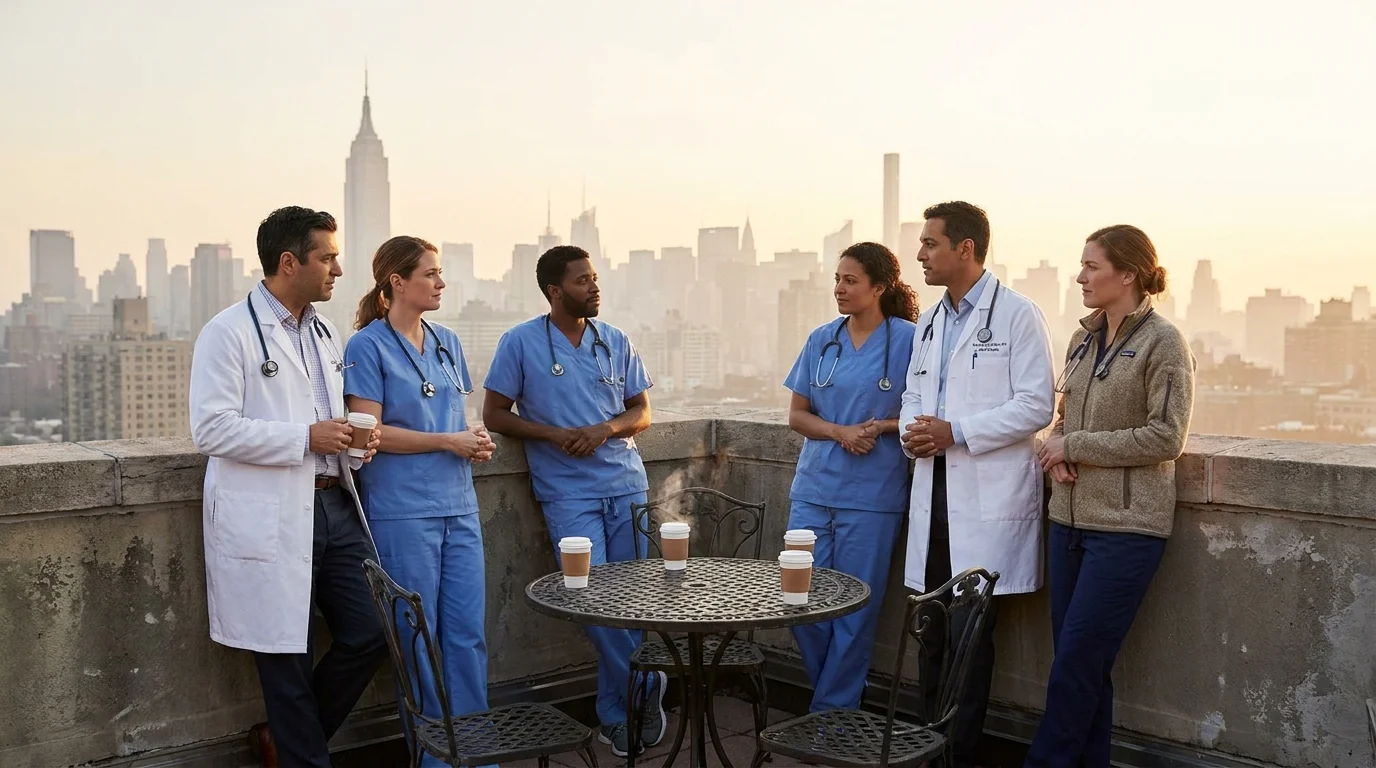
Faith Regional Health Services is Norfolk's hospital, serving not only the city but all of northeastern Nebraska and surrounding areas. It offers 24-hour emergency care, maternity, general surgery, oncology, cardiology, orthopedics, and most medical specialties. It functions as a regional referral hospital, receiving transferred patients from across the area.

Highly complex cases, such as transplants, pediatric oncology, and advanced neurosurgery, are referred to Omaha (Nebraska Medicine/UNMC, Methodist) or Sioux Falls (Sanford, Avera). The Faith Regional Cancer Center provides solid oncological treatment locally for non-tertiary cases.

For immigrants without insurance or with low income, the Norfolk Community Health Center offers primary care on a sliding-fee scale, with Spanish and multilingual interpretation services. Lutheran Family Services assists refugee families in navigating the healthcare system.

Healthcare index60.0 / 100
  • Life expectancyyears at birth
    78.4yrs
  • Doctors per 1kpracticing physicians
    3.7
  • Health spendper capita, per year
    $13,473
  • Public systemoverall quality rating
    Fair

Safe city with real climate risk

Norfolk has very low crime rates, typical of a mid-sized Midwestern city. The greatest risk is weather-related: tornadoes in spring and severe storms in summer.

By American standards, Norfolk is a very safe city. Violent crime is rare and tends to occur in domestic contexts or linked to alcohol and drug use. In established family and residential neighborhoods, the sense of security is strong. Most incidents involve petty theft, DUI, and traffic violations.

Some areas near downtown bars and industrial zones, particularly around Tyson and Nucor, see more police calls at night, but without major issues. There are no systematically dangerous neighborhoods. The factory surroundings, with overnight shifts, have steady activity around the clock.

Climate risks warrant attention. The city lies within Tornado Alley, with an active spring severe weather season. A 2014 tornado that struck nearby Pilger serves as a reminder of the real regional risk. Homes with basements are the standard. Summer hailstorms regularly damage cars and roofs. Winter blizzards close roads.

Safer neighborhoods
  • South Norfolk (modern subdivisions)
  • West Norfolk
  • Norfolk Senior High area
  • Liberty Bell area
  • Downtown during daytime
Areas to avoid
  • Isolated industrial areas at night (Tyson, Nucor vicinity)
  • Rural roads during tornado warnings
  • US-275 segments during blizzards

Car-dependent city, no commercial flights

A car is essential. The local airport (OFK) has no commercial service. For flights, Sioux City (SUX), Omaha (OMA), or Lincoln (LNK) are the options. Modest bike trail network.

Norfolk is designed around the car. Wide streets, ample parking, and light traffic are the norm. US-275, US-81, and Highway 35 run through the city, connecting it to Omaha (2 hrs), Sioux City (1.5 hrs), Lincoln (2.5 hrs), and Yankton, South Dakota (1 hr). Reaching I-80 requires about two hours south.

Karl Stefan Memorial Airport (OFK) is the local airport, with no scheduled commercial service. For flights, most residents use Eppley Airfield (OMA) in Omaha, about two hours away, or Sioux Gateway Airport (SUX) in Sioux City, about an hour and a half. There is no Amtrak service to Norfolk.

There is no significant urban public transit. A demand-response program exists for seniors and people with limited mobility. The bike path network includes the North Fork Riverfront Trail and the Cowboy Trail, which begins in Norfolk and runs approximately 300 km through northeastern Nebraska, well-suited for leisure cycling in summer and fall.

Airports
  • OFK — Karl Stefan Memorial Airport (no commercial flights)
  • SUX — Sioux Gateway Airport (Sioux City, ~1h30)
  • OMA — Eppley Airfield (Omaha, ~2h)
  • Bike infrastructure

What the Climate Is Like Living in Norfolk

Norfolk has a humid continental climate, with cold and snowy winters, hot and humid summers, and severe storms in spring.

Winters are cold, with lows frequently between -12 and -5 degrees Celsius and regular snowfall from December through February. Bitter winds push wind chill well below freezing on the coldest days.

Summers are hot and humid, with highs between 30 and 33 degrees Celsius in July and overnight lows around 20 degrees. Severe storms with tornado risk are common in spring and early summer.

Residents need heating, air conditioning, snow tires, and a tornado plan. The transitional seasons pass quickly.

Sunny days / year220 days
Avg high (°F)
  • 47°J
  • 58°F
  • 69°M
  • 83°A
  • 87°M
  • 96°J
  • 101°J
  • 101°A
  • 96°S
  • 84°O
  • 71°N
  • 53°D
Avg low (°F)
  • -3°J
  • -6°F
  • M
  • 21°A
  • 33°M
  • 50°J
  • 58°J
  • 56°A
  • 45°S
  • 22°O
  • 15°N
  • D
Rainfall (")
  • 1"J
  • 1"F
  • 3"M
  • 1"A
  • 4"M
  • 3"J
  • 4"J
  • 3"A
  • 2"S
  • 2"O
  • 1"N
  • 1"D

Small-town culture with an agricultural touch

Cultural life revolves around the Johnny Carson Theatre, Northeast Community College, Norfolk High, and the Madison County Fair. A modest dining scene with a growing Latino presence.

Norfolk is the hometown of Johnny Carson, and the Johnny Carson Theatre and the Johnny Carson Boyhood Home celebrate the legacy of the legendary television host. The Elkhorn Valley Museum chronicles the region's history, with a strong focus on Carson's life story. The Lifelong Learning Center at NECC hosts lectures, performances, and workshops throughout the year.

The Madison County Fair, held in June, is the year's major agricultural event, featuring livestock competitions, a rodeo, live music, and carnival attractions. The Norfolk Public Library maintains an active cultural calendar. Local cultural life is typically Midwestern in character, centered on church, school sports, and family.

On the food side, Midwestern American staples dominate: Nebraska steaks, BBQ ribs, hot dish, Runza, and the Reuben sandwich. The Latino food scene has grown, with taquerias, panaderías, and Mexican restaurants. The Black Cow Fat Pig Pub and Steak is a well-regarded local spot. Craft breweries like Black Hops Brewing add life to the scene.

Notable dishes
  • Nebraska steaks
  • Runza
  • Tacos al pastor
  • Hot dish
  • Czech kolache
  • +2 more
Annual events
  • Madison County Fair (June)
  • Big Rodeo at Norfolk
  • Norfolk Cinco de Mayo
  • Holiday Lighting Parade
  • Riverfest

Cowboy Trail, Carson museum, and regional attractions

The Cowboy Trail begins in Norfolk. The Elkhorn Valley Museum, the Johnny Carson Boyhood Home, and Maskenthine Lake are among the main attractions.

The Cowboy Trail, a former railroad line converted into a walking and cycling path, begins in Norfolk and runs approximately 300 km to Valentine in western Nebraska. It is one of the largest rail-to-trail conversions in the United States, featuring dramatic railroad bridges and sweeping prairie landscapes.

The Elkhorn Valley Museum covers local history with a strong emphasis on agricultural and railroad heritage, as well as the life of Norfolk native Johnny Carson. The Johnny Carson Boyhood Home is open for tours. The Norfolk Arts Center showcases local and regional artists through rotating exhibitions.

Ta-Ha-Zouka Park is an urban park with trails, a lake, a playground, and a historic covered bridge. Liberty Bell Park features a replica of the Liberty Bell. For nature, Maskenthine Lake and Wood Duck State Wildlife Management Area offer fishing, camping, and regulated hunting. In October, local farms open for apple picking and pumpkin patches.

  1. 1Cowboy Trail (rail-to-trail)
  2. 2Elkhorn Valley Museum
  3. 3Johnny Carson Boyhood Home
  4. 4Norfolk Arts Center
  5. 5Ta-Ha-Zouka Park
  6. 6Liberty Bell Park
Parks & green spaces
  • Ta-Ha-Zouka Park
  • Skyview Lake Park
  • Liberty Bell Park
  • Maskenthine Lake
  • Wood Duck State Wildlife Management Area
  • +1 more

Latest posts

Posts about Nebraska

Coverage and updates related to this destination.

Showing content from Nebraska, as there is no specific data for Norfolk yet.