English
 Português
 Español


Population Composition of Brockton with a Strong Afro-Immigrant and Hispanic Presence
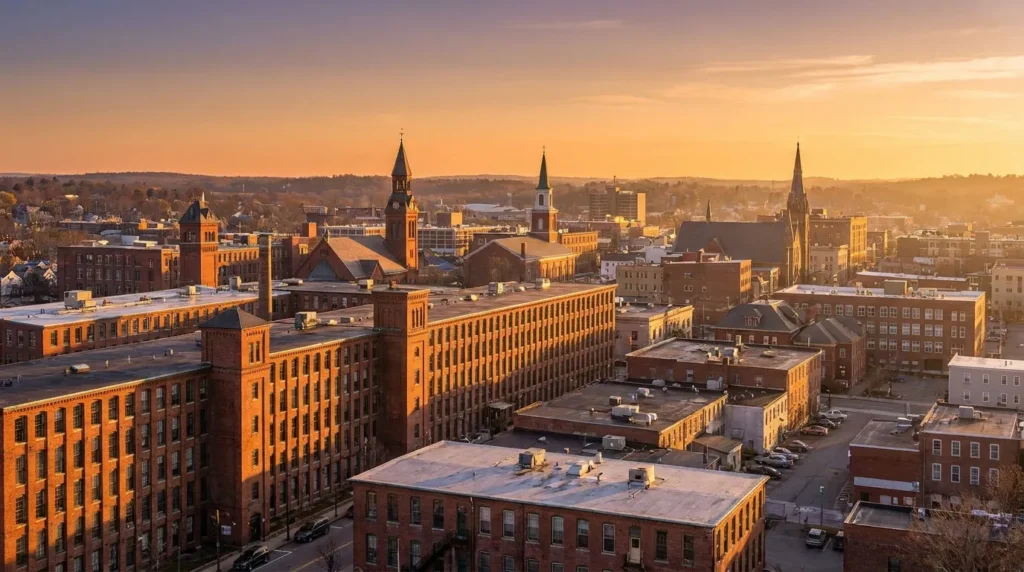
Brockton has about 105,000 residents and is one of the most diverse cities in Massachusetts, with a strong Cape Verdean, Haitian, African American, Hispanic, Brazilian, Ghanaian, and Angolan presence across multiple neighborhoods.
Brockton's diversity is among the most notable in the state. Cape Verdeans form one of the largest communities in the United States, with Catholic churches that hold services in Creole, restaurants, and markets along Plain Street and Main Street. Haitians maintain Baptist and Catholic churches, Sunday schools, and small grocery stores that share space with Cape Verdean businesses. African Americans represent a significant share of the population.
The Hispanic presence includes Central Americans, Dominicans, and Puerto Ricans. Brazilians, primarily from Minas Gerais and Espírito Santo, have established evangelical churches, bakeries, and Brazilian steakhouses throughout the city, with strong ties to neighboring towns such as Stoughton and Avon. Ghanaians, Angolans, Congolese, and Mozambicans round out an extended Lusophone community.
The Irish, Italian, Lithuanian, and Swedish heritage that dominated the city from the late 19th century through the mid-20th century left behind parishes and neighborhoods such as Campello and Montello, still home to active ethnic clubs. This mix means that public schools serve students in more than a dozen native languages, and municipal services offer translation in multiple languages.
- English
- Cape Verdean Creole
- Haitian Creole
- Portuguese
- Spanish
- +2 more
- Roman Catholic
- Evangelical Protestant
- Baptist
- Pentecostal
- No declared religion