English
 Português
 Español


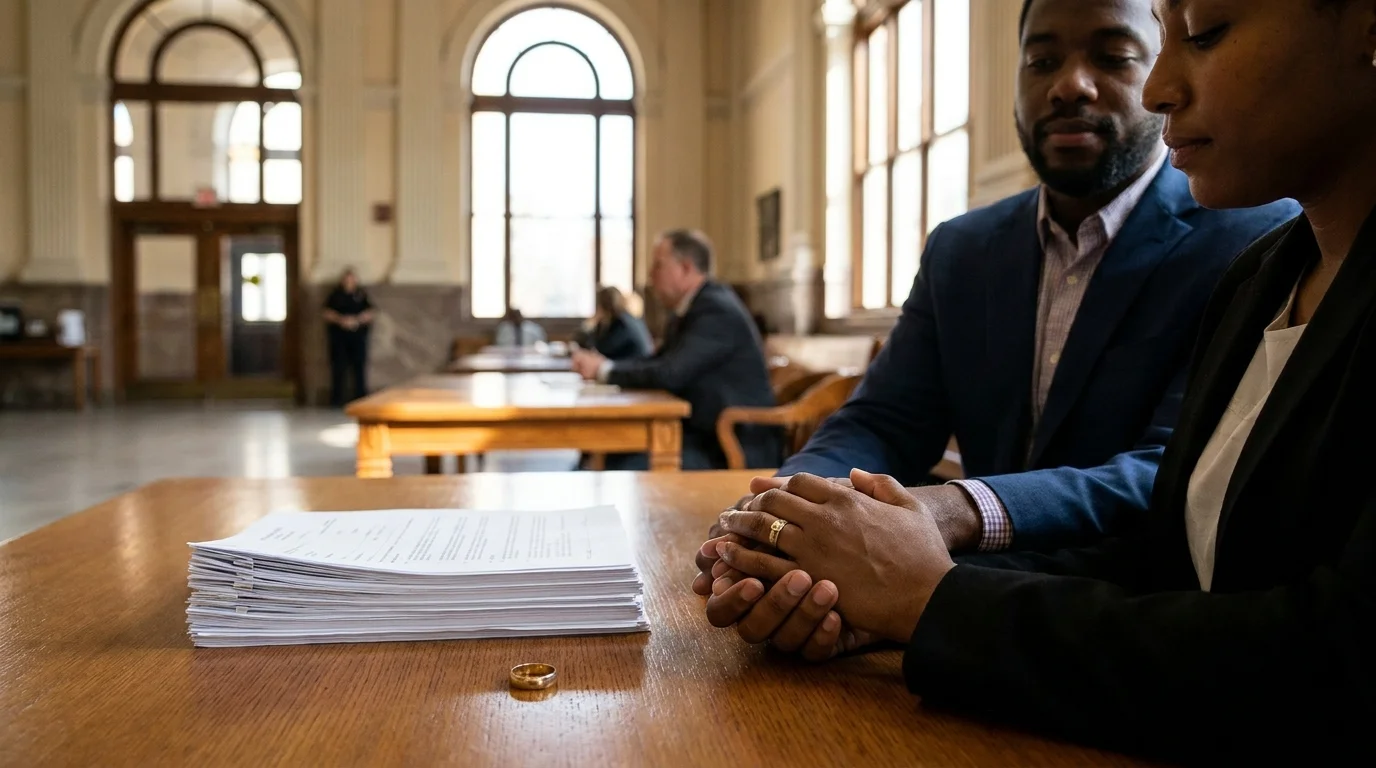
Those who obtain a green card through marriage to a U.S. citizen or lawful permanent resident receive, in most cases, a conditional permanent residence valid for two years. To convert that status to a ten-year green card, the couple must file with USCIS the petition to remove conditions, known as Form I-751. In October 2024, USCIS formalized a protocol change that continues to guide how these petitions are processed: the so-called risk-based approach to determining when an in-person interview is required and when it may be waived.
This analysis gathers, in practical terms, what this policy has meant for binational couples, which criteria USCIS now considers before waiving the interview, and what remains essential to document at the time of filing. Since administrative guidelines may be revised with each administration, readers should always confirm the current version of the USCIS Policy Manual before filing.
What Is Conditional Residence
The Immigration and Nationality Act provides, in section 216, that a foreign national who obtains a green card based on a marriage entered into less than two years before the grant receives permanent residence on a conditional basis. The logic is straightforward: USCIS wants a second verification window to confirm that the marriage is genuine and was not entered into solely for immigration purposes.
This conditional residence lasts exactly 24 months. To remove the conditions and obtain a ten-year green card, the couple must jointly petition for I-751 during the final 90 days before the second anniversary of the grant. Missing that deadline may result in automatic loss of status and initiation of removal proceedings (deportation), unless there is documented justification for the delay.
The 2024 Shift
Before the 2024 revision, all conditional residents who had obtained their green card through consular processing (that is, who entered the country with an immigrant visa already issued) were generally required to appear for an in-person interview at the time of the I-751. The previous policy made the procedure virtually mandatory, even when the case showed no indication of fraud.
The directive published in October 2024 gave USCIS officers express authorization to waive the interview when, in light of the documents submitted, the case was deemed low risk. The stated institutional motivation at the time was to reduce backlogs, optimize officer workload, and expand the capacity to adjudicate pending petitions without compromising fraud screening.
Criteria Considered for the Waiver
Under the risk-based approach, an officer may waive the interview when the body of evidence simultaneously meets certain objective standards. The practical reading of the published criteria can be summarized as follows:
- There is sufficient evidence of the marriage’s good faith, meaning genuine cohabitation and a shared life together.
- When the petition is filed solely by the foreign spouse (waiver filing), the legal requirements for dispensing with joint filing are demonstrated.
- There are no indications of fraud or misrepresentation in the submitted documents.
- The case does not involve complex facts or legal issues, such as inconsistencies from prior interviews.
- There is no criminal history that could render the foreign national removable under immigration law.
When any of these points is not clearly satisfied, the officer retains the in-person interview. In other words, the waiver is at the officer’s discretion, not a right of the petitioner.
Documentation That Makes a Difference
Since the decision on whether to waive the interview is built from what is in the record, the quality of the package submitted with the I-751 has become even more decisive. The most valued documents remain those that demonstrate a shared financial, residential, and family commitment.
Financial Evidence
Joint bank accounts with statements covering the entire conditional residence period, shared loans, a federal income tax return filed as married (jointly filed), and secondary credit cards help support the case for a shared financial life.
Residential Evidence
Lease agreements or deeds in both names, utility bills for electricity, water, and internet, homeowner’s or renter’s insurance policies, and official correspondence sent to the same address form the basis of what is commonly called cohabitation evidence.
Relational and Family Evidence
Birth certificates of children born to the couple, dated photographs from different moments of their shared life, sworn statements (affidavits) from friends and family, records of joint travel, and life insurance policies with reciprocal beneficiary designations reinforce the human dimension of the relationship.
When the Interview Remains Required
The waiver does not apply universally. As a rule, petitions that continue to require an interview include those with indications of fraud, discrepancies between forms and documents, an ongoing separation or divorce, domestic violence claims supporting a waiver filing, relevant criminal history, and situations where the officer deems it necessary to clarify facts not evident in the record.
Current Processing Times and the Waiting Limbo
In practice, I-751 processing times had been one of USCIS’s most sensitive bottlenecks. To address this, alongside the risk-based approach, the agency also began issuing longer automatic extensions of conditional status after the petition is filed. Since these timelines are reviewed periodically, it is always recommended to confirm the current extension duration directly from the notice issued by USCIS and from the current Policy Manual.
Final Considerations for Binational Couples
The risk-based approach brought relief to many couples whose relationships were well documented, especially those who entered the United States through consular processing and who, previously, were automatically called in for an interview. On the other hand, it has increased the importance of organizing a cohesive documentary narrative even before filing, since the officer decides based on what is in the record.
It is prudent to remember that USCIS administrative guidelines – including those on interview waivers – may be adjusted in new administrations, and what applies in the current year may not apply the next. Before filing the I-751, it is worth reviewing the updated Policy Manual and considering independent legal counsel to evaluate the specifics of the individual case.
Learn more about CR-1
- Type
- Conditional Green Card
- Duration
- 2 years
- Remove conditions
- Form I-751
- Processing
- 12-24 months
Tags
About the author

Victoria Harper
Editor-in-Chief
As a journalist and lead editor at Visto n’ Visa, Victoria helps ensure that immigration topics are covered in a clear, trustworthy, and easy-to-understand way. Her focus is on delivering useful, human, and relevant content for people exploring new paths abroad.