English
 Português
 Español


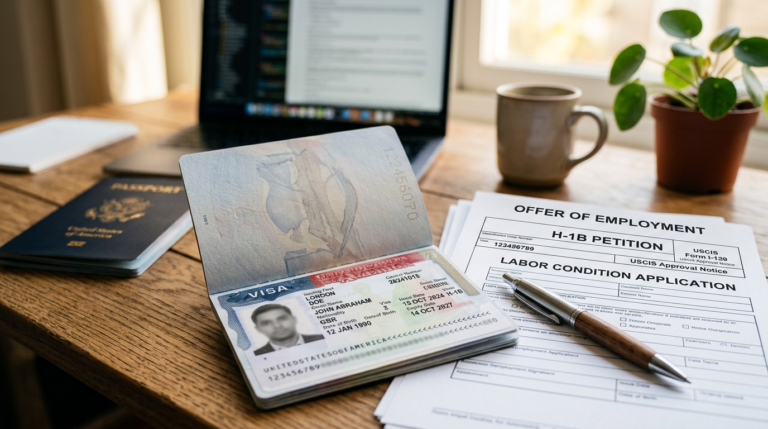
The question “Is US immigration closed?” circulated widely during times of crisis, but today, in 2026, the reality is different. During the 2020 pandemic, emergency measures were adopted that temporarily suspended some visa programs, but these restrictions do not represent the current scenario. The United States immigration system has proven to be resilient and adaptable, resuming its normal operations soon after the exceptional period.
During that turbulent period, executive orders were issued with the aim of protecting public health and preserving strategic sectors of the economy. Although they generated insecurity and doubts for many, such measures affected only specific categories, and the responsible agencies returned to normal within weeks. In 2026, the regulatory environment is dynamic, and immigration processes remain accessible to candidates from various fields, from skilled professionals to investors and students.
This article presents a historical and current analysis of immigration to the US, clarifying that the information from 2020 should be seen only as part of recent history. Thus, those planning to migrate should rely on updated data from official sources and prepare documentation according to current criteria. Constant updating is essential to keep up with changes in this environment, which follows both global challenges and the country’s internal policies.
Historical Context
During the 2020 crisis, the COVID-19 pandemic created a scenario of uncertainty that directly impacted several sectors, including immigration. The US government implemented emergency measures to control the spread of the virus and protect local jobs, resulting in the temporary suspension of some visa processes. These administrative decisions were made to minimize risks and avoid overloading public services.
At the time, a distinction was made between affected visa categories and those that continued to operate normally. Among the temporarily suspended programs were:
- Children and siblings of American citizens;
- Spouses and dependents of permanent residents;
- Winners of the Green Card lottery.
Meanwhile, visas that were not interrupted included:
- Spouses and minors of American citizens;
- Special immigrant visas;
- Permanent residency processes carried out within the US;
- EB-5 investor visas;
- Visas for work, study, and tourism.
These measures were applied on an emergency basis and were in effect for a short period-about 60 days-allowing many applicants to take the opportunity to better organize their processes. Although the 2020 scenario caused a certain level of disruption, it ended up serving as a learning experience for the modernization and improvement of visa processing systems.
Current Situation: 2026
Six years after the emergency measures, the context of US immigration is quite different. In 2026, the US visa system is operating robustly and normally, with no widespread suspension. The lessons learned in 2020 helped authorities improve administrative procedures, enhance communication with applicants, and increase transparency in processes.
Today, the main visa categories remain widely available, although each program has its specific requirements. Among the most requested are:
- Work Visas: Essential for skilled professionals seeking opportunities in the US, these visas follow strict criteria but are fully operational.
- Student Visas: Allow international students to enter recognized academic institutions, fostering cultural and academic exchange.
- Tourist Visas: Ensure entry for temporary visits and cultural exchanges, keeping processes agile and well-defined.
- EB-5 Investor Visas: Intended for foreign investors who wish to contribute to the American economy through investments that generate jobs and regional development.
- Family-Based Residence Visas: Aim at family reunification, allowing citizens and permanent residents to bring their loved ones according to established criteria.
Even with normalization, immigration policies remain subject to adjustments that may occur due to political, economic, or health factors. Thus, it is essential that applicants stay informed through official sources, such as the USCIS and Department of Homeland Security websites, ensuring they are always up to date on the requirements and deadlines for each visa category.
Recommendations for Applicants
For those who wish to start or continue the immigration process to the United States, preparation is essential. It is recommended to periodically consult updates provided by government authorities and keep track of changes in regulations. Careful preparation, including meticulous organization of documentation and meeting deadlines, can prevent future problems and ensure the effectiveness of the application.
The experience during the 2020 emergency period highlighted the importance of constantly monitoring immigration rules. Applicants who used that time to review and adjust their documents found that, when processes returned to normal, they were better prepared to meet the required criteria. Therefore, proactivity remains a crucial strategy for those seeking opportunities in the US immigration system.
Additionally, it is wise for interested parties to stay informed about possible legislative or administrative changes that may affect the visa category of their interest. Strategic planning, combined with access to reliable information, allows applicants to quickly adapt to any changes, maintaining a safe and effective path toward application approval.
Impact of Emergency Measures and Lessons Learned
The temporary measures adopted in 2020 had a significant impact on how immigration processes were conducted. Although they caused occasional interruptions, they served as a warning for the need to improve systems and communication channels between government agencies and applicants. Many then realized the importance of investing in more detailed preparation and constantly updating personal and documentary information.
The episode also demonstrated the responsiveness of US authorities in the face of public health and economic crises. With the revocation of emergency measures, improvements were implemented that are now reflected in faster, more transparent, and more efficient processes. Among the lessons learned, the need for greater integration between the various sectors involved stands out, ensuring that, even in times of crisis, applicants can adequately prepare to resume their applications as soon as restrictions are lifted.
For future immigrants, this experience emphasizes that changes can occur abruptly, but also that the system is capable of adjusting and returning to normal operations. Global mobility depends largely on the resilience of processes and the ability of institutions to modernize in response to emerging challenges.
Future Perspectives
Although the current scenario is one of normalization, it is important to recognize that the international migration environment is dynamic and subject to change. Political, economic, or even new health crises may prompt adjustments in immigration policies. Thus, constant monitoring of guidelines issued by official agencies is indispensable for applicants who wish to stay up to date.
In 2026, the trend is for the United States to continue promoting the entry of talent, investors, and students, maintaining a balance between protecting internal interests and opening up to global exchange. This stance reflects a continuous process of reviewing and improving immigration regulations, which aim not only to stimulate economic growth but also to strengthen cultural and academic ties with other countries.
Applicants should view any eventual change not as an obstacle, but as an opportunity to adjust their plans and prepare in the best possible way. The experience of recent years has shown that, even in the face of emergency measures, the US immigration system has the flexibility to adapt and continue operating safely and efficiently.
In summary, while the measures of 2020 were marked as an atypical and transitory episode in immigration history, the reality of 2026 confirms that processes are in full operation. The reopening of visa programs reinforces the importance of an informed and proactive approach, allowing applicants to benefit from the opportunities offered by the current migration scenario.
Finally, the central message for those wishing to immigrate to the United States is clear: although the past brings important lessons, the present is full of possibilities. Keeping up with official updates, carefully planning each step of the process, and being prepared for possible adjustments are attitudes that can make all the difference in achieving a future in the US.
Learn more about EB-5
- Type
- Investment Green Card
- Min. investment
- US$ 800,000
- Jobs created
- Minimum 10 (full-time)
- Processing
- 24-48 months
About the author

Victoria Harper
Editor-in-Chief
As a journalist and lead editor at Visto n’ Visa, Victoria helps ensure that immigration topics are covered in a clear, trustworthy, and easy-to-understand way. Her focus is on delivering useful, human, and relevant content for people exploring new paths abroad.