English
 Português
 Español


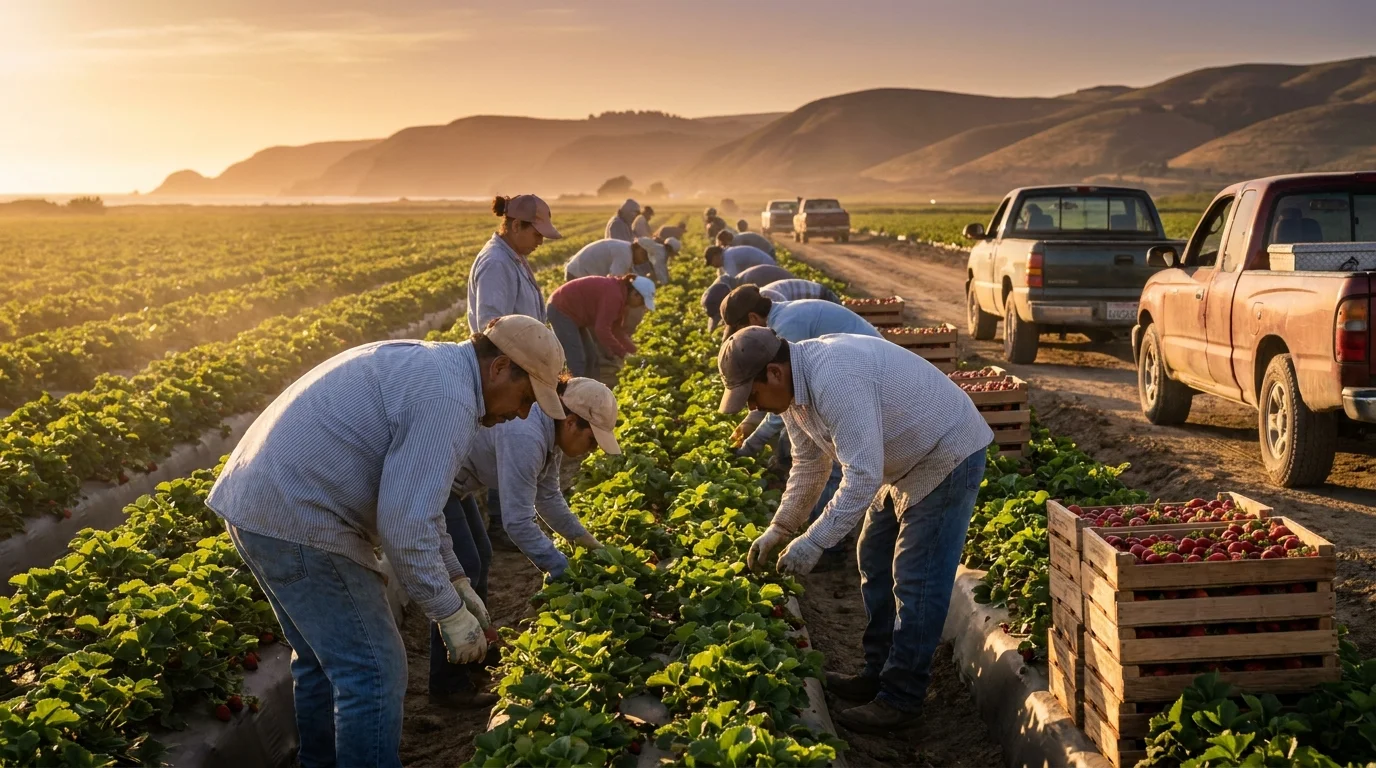
The temporary work visa programs H-2A (seasonal agricultural work) and H-2B (seasonal non-agricultural work) have undergone the deepest regulatory overhaul of the past decade. The final rule published by the Department of Homeland Security (DHS) in December 2024, effective January 2025, consolidated worker protections, made H-2 portability permanent, and stiffened penalties for employers who violate program terms. Anyone considering legal immigration to the United States through these categories needs to understand the new landscape before accepting any job offer arranged through recruiters.
What H-2A and H-2B are
The H-2A authorizes U.S. employers to hire foreign workers for temporary or seasonal agricultural services: harvesting, planting, livestock handling, greenhouse operations, and related activities. The program has no fixed numerical cap, which is often cited as an advantage over the H-2B.
The H-2B covers equally temporary or seasonal non-agricultural services. It has traditionally concentrated hiring in hospitality, landscaping, amusement parks, seafood processing, and construction on discrete projects. There is an annual cap of 66,000 visas, split into two semi-annual halves, with supplemental quotas granted by DHS in recent years to ease the backlog.
In both categories, the employer or agent must demonstrate that no U.S. workers are available, qualified, and willing to fill the position, and that hiring foreign workers will not depress local wages and working conditions. The petition is filed via Form I-129 with USCIS, accompanied by prior certification from the Department of Labor.
What the final rule changed
The overhaul introduced structural changes affecting both workers and employers. The most significant points are outlined below.
Permanent portability
An H-2 worker already in the United States may now begin work with a new employer as soon as that employer files a non-frivolous I-129 petition, without waiting for approval. Previously, portability existed only under temporary pilot programs; it is now embedded in the regulatory text and provides predictability for both workers and companies facing labor shortages.
Expanded grace periods
The final rule standardized tolerance windows after a contract or authorized period ends. In general, workers now have up to 60 days to find a new employer, adjust status, or arrange departure, along with short additional windows before a petition’s validity begins and after it ends. The exact timeframe depends on the specific situation, but the added flexibility dramatically reduces the risk of falling out of status due to an employer’s administrative delays.
Reinforced ban on fees
The rule expressly prohibits employers, recruiters, agents, or any intermediary from charging workers fees related to recruitment or job retention. This includes amounts collected before travel, during employment, or through payroll deductions. Employers who violate this provision face sanctions that may render them ineligible to participate in the program in future cycles.
Sanctions for non-compliant employers
DHS now has a clearer regulatory basis to deny petitions from employers with a history of labor violations, failure to comply with program terms, or abandonment of approved petitions. This applies especially to the H-2B, where competition for the 66,000 annual slots is intense and non-compliant employers directly harm workers seeking legitimate opportunities.
Whistleblower protections
Workers who report abuses — passport confiscation, illegal fee collection, unsafe working conditions, or wages below what was contracted — have been granted formal protection against immigration retaliation. The regulation includes safeguards so that filing a complaint does not, by itself, jeopardize a worker’s stay in the country while an investigation is ongoing.
Who can apply for H-2A
Applicants must have a concrete job offer from a U.S. employer certified by the Department of Labor for a seasonal agricultural position. There is no formal education requirement, and the experience required varies by role. The employer must provide housing at no cost to the worker (or housing meeting a regulated standard), reimburse travel expenses after a portion of the contract has been completed, and guarantee the applicable minimum wage — generally the Adverse Effect Wage Rate (AEWR), published annually by state and occupational category.
Who can apply for H-2B
Eligible profiles range from machine operators to cooks, landscapers, servers, housekeepers, and maintenance workers. The U.S. employer must demonstrate that the need is temporary: seasonal, intermittent, one-time, or peak-load. The wage offered must meet the prevailing wage floor for the region and occupation. The list of eligible countries is reviewed annually and published in an official joint notice by DHS and the Department of State; it is advisable to check the current publication before starting the process.
Current limits and timelines
The H-2B remains capped at 66,000 visas per federal fiscal year, with 33,000 allocated to the first half (October 1 through March 31) and 33,000 to the second. In recent years, DHS, together with the Department of Labor, has released supplemental quotas to ease labor demand pressure. It is worth tracking the annual publication, as the total number and the split between first-time and returning workers can vary.
The H-2A has no numerical cap. The initial duration is typically up to one year, extendable in increments, with a maximum stay of three years before the worker is required to return to their home country for a minimum period set by regulation.
Things to check before accepting an offer
Because the program has a documented history of abuse by informal recruiters, three validations are recommended. The first is to verify that the U.S. employer appears in the Department of Labor’s certified employer registry. The second is to request a complete copy of the contract, including wage, hours, housing (for H-2A), start date, and expected end date. The third is to never pay any amount to a recruiter as a condition of obtaining the visa: charging such fees is, as a rule, illegal, and agreeing to pay puts the worker in a vulnerable position from day one.
For those outside the United States, the consular stage is typically conducted at the embassy or consulate serving the applicant’s region of residence, with appointments scheduled through the CGI system. Having complete employer documentation and demonstrating ties to the home country remain the factors that most influence approval at the consular window.
Learn more about H-2A
- Type
- Agricultural work
- Duration
- Up to 3 years
- Cap
- No fixed limit
- Processing
- 3-6 months
Tags
About the author

Victoria Harper
Editor-in-Chief
As a journalist and lead editor at Visto n’ Visa, Victoria helps ensure that immigration topics are covered in a clear, trustworthy, and easy-to-understand way. Her focus is on delivering useful, human, and relevant content for people exploring new paths abroad.