English
 Português
 Español


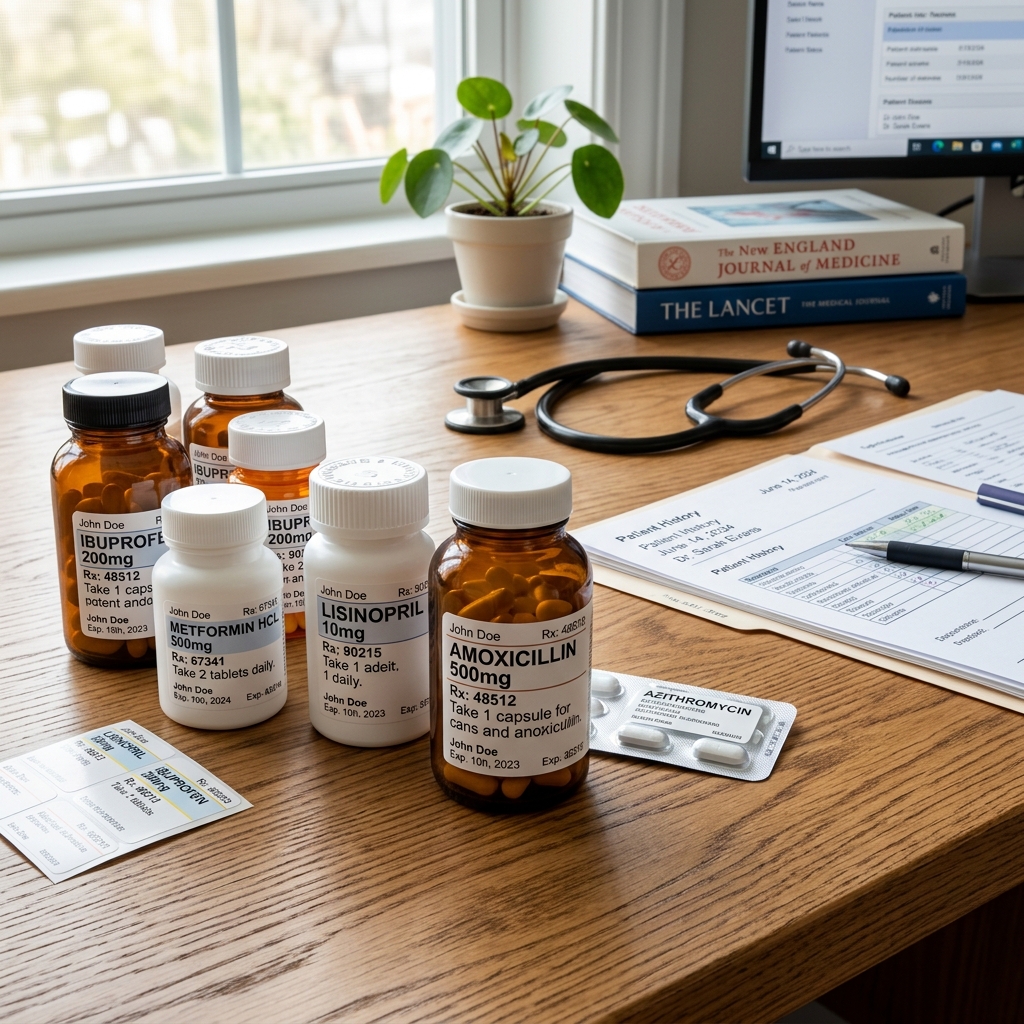
Anyone planning to live, work, or study in the United States needs to understand how the country’s pharmaceutical system works. American drug regulations are strict, especially when it comes to controlled substances, and being unaware of these rules can lead to serious legal problems at customs or during your stay. This guide covers everything immigrants need to know to plan their healthcare when moving to the US.
The differences between other countries and the United States on this topic are significant. Medications that can be purchased freely at pharmacies in many countries often require a prescription in the US, and some are classified as controlled substances with even more stringent restrictions. Understanding these differences before you travel is essential to avoid embarrassing situations or legal consequences.
Beyond domestic regulations, there are specific rules for anyone wishing to bring medications they use regularly from their home country into the United States. Agencies such as the FDA, the DEA, and the CBP have clear guidelines on what is permitted and what documents are required to ensure a smooth entry.
The American Pharmaceutical System
In the United States, medications fall into two broad categories. Those classified as Over-the-Counter (OTC) can be purchased without a prescription at pharmacies, supermarkets, and even convenience stores. This category includes common pain relievers such as ibuprofen and acetaminophen, antacids, allergy medications, and some cold remedies.
Prescription drugs, on the other hand, require a prescription issued by a licensed US healthcare provider. This category covers everything from antibiotics and blood pressure medications to controlled substances such as anti-anxiety drugs and stimulants. Dispensing occurs exclusively at authorized pharmacies, which verify the validity of the prescription electronically.
One important point is that the American healthcare system is predominantly private. Having health insurance is not just advisable but practically indispensable for accessing medical appointments, tests, and medications at reasonable prices. Without insurance, the cost of a private medical visit can be substantially higher than its equivalent in other countries, varying by specialty and region.
How to Obtain a Prescription
To obtain medications that require a prescription in the United States, the first step is to consult a physician licensed in the country. Prescriptions issued by doctors in other countries are generally not accepted at American pharmacies, even if the medication is identical to what you were taking back home.
The appointment can take place in person at a clinic, hospital, or private practice, or through telemedicine, a modality that has expanded considerably in recent years. During the visit, the provider reviews the patient’s medical history, confirms the diagnosis, and, if appropriate, sends an electronic prescription directly to the chosen pharmacy.
To streamline the process, it is advisable to bring an up-to-date medical summary from your home country, preferably translated into English, detailing your diagnoses, ongoing treatments, and medications. This document speeds up the American doctor’s assessment and increases the likelihood of continuing your treatment without interruption.
DEA Controlled Substance Schedules
The Drug Enforcement Administration (DEA) classifies controlled substances into five categories, known as Schedules, based on their potential for abuse and recognized medical utility.
Schedule I includes substances with a high potential for abuse and no accepted medical use in the US, such as heroin and LSD. These compounds cannot be prescribed by physicians under any standard clinical circumstance.
Schedule II covers substances with a high potential for abuse but with recognized medical use under strict prescription controls. This category includes opioids such as oxycodone and fentanyl, as well as stimulants such as amphetamine and methylphenidate. Schedule II prescriptions do not allow automatic refills, and each renewal requires a new prescription.
Schedule III covers substances with a moderate potential for abuse, such as testosterone and products containing limited quantities of codeine. Prescriptions may be refilled up to five times within a six-month period.
Schedule IV includes medications with a relatively low potential for abuse, such as benzodiazepines (alprazolam, diazepam, clonazepam) and zolpidem. Although the risk is lower, prescriptions for these substances remain tightly regulated in the United States.
Schedule V covers preparations containing minimal quantities of controlled substances, such as cough syrups with small doses of codeine. In some states, these may be dispensed without a prescription, but with mandatory registration at the pharmacy.
Possessing any controlled substance without a valid prescription constitutes a federal and state crime in the United States, with penalties that may include heavy fines, detention, and, for foreign nationals, serious immigration consequences including deportation.
Bringing Medications Into the US
The entry of medications into the United States is jointly regulated by the Food and Drug Administration (FDA) and U.S. Customs and Border Protection (CBP). For travelers arriving with medications they take regularly, there are clear rules that must be followed to avoid having them held at customs.
For personal use, travelers may bring up to a 90-day supply of each medication. Medications must be in their original packaging, with a legible label identifying the contents and dosage. Medications repackaged in pill organizers or unmarked containers may raise suspicion and be held by border agents.
It is essential to carry the original prescription, preferably accompanied by an English translation. A letter from your treating physician explaining the diagnosis, the need for the treatment, and the dosage instructions is also strongly recommended. All medications must be declared on the customs form during the entry process.
For substances classified as controlled in the US, extra care is required. Some medications that are relatively easy to obtain in other countries may have a restrictive classification in the United States. A common example is clonazepam (sold as Rivotril in some countries), which is classified as Schedule IV in the US and requires specific documentation for legal entry.
Before traveling, it is advisable to check the official FDA and CBP websites to verify whether any of your regular medications have specific restrictions. If in doubt, the US consulate in your home country can provide advance guidance on specific substances.
Practical Tips for Immigrants
Once you settle in the United States, establishing a primary care physician should be one of your first priorities. This provider will manage ongoing prescriptions, order routine tests, and refer you to specialists when needed.
Always keep a digital copy of all your medical documents, including prescriptions, reports, and treatment history. Health management apps are widely used in the US and make it easy to track prescriptions and test results in one place.
Familiarize yourself with pharmacies in your area. Major US pharmacy chains offer discount programs that can significantly reduce the cost of medications, even for those without health insurance. There are also apps and platforms that compare prices across pharmacies, a particularly useful tool during the first months of adjusting to life in the country.
If you take controlled medications on an ongoing basis, schedule your appointment with a US physician well in advance to avoid any gap in your treatment between the end of the supply you brought from home and obtaining a new local prescription. Planning this transition with at least two weeks to spare prevents treatment interruptions and ensures safe therapeutic continuity.
About the author

Victoria Harper
Editor-in-Chief
As a journalist and lead editor at Visto n’ Visa, Victoria helps ensure that immigration topics are covered in a clear, trustworthy, and easy-to-understand way. Her focus is on delivering useful, human, and relevant content for people exploring new paths abroad.