English
 Português
 Español


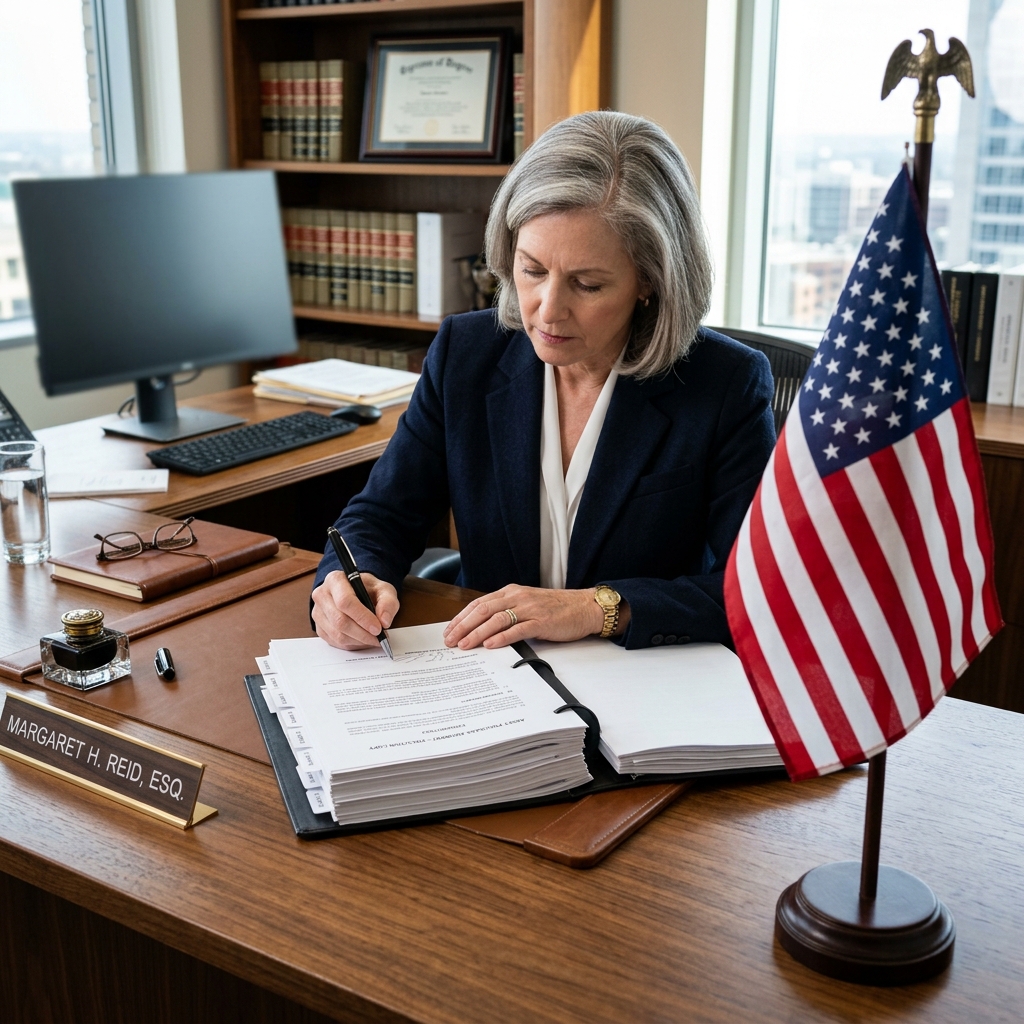
Validating a diploma in the United States is a fundamental step for international professionals who wish to build a career on American soil. Without formal recognition of academic equivalence, many doors remain closed, from job opportunities to immigration processes that require proof of education. The American educational system does not automatically recognize foreign diplomas, which makes the credential evaluation process essential for any foreigner who intends to work, study or legally immigrate to the USA.
The procedure consists of sending your academic documents to a specialized agency that will evaluate the equivalence of your diploma within American standards. The result is an official report that can be presented to employers, universities, professional councils and the USCIS itself in immigration processes. This report becomes the reference document that translates, in terms understandable to American institutions, what your academic degree obtained outside the USA means.
Diploma validation serves multiple purposes in the context of professional and immigration life in the United States. Understanding when and why it is needed helps you plan the process in advance and avoid delays at critical moments.
In the United States, diploma validation is carried out by specialized private agencies, and not by government bodies. Choosing the right agency is crucial, as not all are equally recognized by employers, universities and immigration agencies. Submitting documents to an unaccredited agency may result in the report being rejected by the receiving institution and the need to redo the entire process.
The two main associations that accredit validation agencies are NACES (National Association of Credential Evaluation Services) and AICE (Association of International Credential Evaluators). Agencies that are members of these associations follow rigorous quality standards and are widely accepted in employment, immigration and academic admissions contexts.
Among the most used agencies are WES (World Education Services), ECE (Educational Credential Evaluators) and FIS (Foundation for International Services). WES is particularly popular for its wide acceptance and well-documented processes. ECE is often recommended for professional licensing processes. For engineering professions, NCEES offers specific assessments aimed at state accreditation. The choice must consider which agency is accepted by the destination institution or employer.
Credential evaluation agencies offer different types of reports, and it is important to select the most appropriate one for your specific needs. Ordering the wrong type means paying twice and waiting twice as long.
Course-by-course assessment is more expensive and time-consuming, but provides more detailed information. If you plan to use the validation for both employment and graduate school, consider directly requesting the course-by-course assessment, which also serves as document-by-document and eliminates the need for a second submission.
Documentary preparation is the step that requires the most attention in the validation process. Incomplete or poorly prepared documents can significantly delay the evaluation and generate requests for supplementation that add weeks to the total deadline.
Original documents must generally be sent directly by the educational institution in the country of origin to the validation agency, in a sealed envelope. This requirement aims to guarantee the authenticity of the documents. Consult your university in advance about the procedure for sending documentation abroad, as each institution has its own administrative flow.
Costs and deadlines vary significantly between agencies and types of assessment. Document-by-document evaluation typically costs between $100 and $250, while course-by-course can range from $150 to $300. Many agencies offer expedited services for an additional fee, useful when there are tight deadlines for admission or petition submission to USCIS.
The standard evaluation period varies from two to six weeks after complete documentation is received. Express services can reduce this period to a few business days. The biggest bottleneck tends to be the institutional sending of documents by the university in the country of origin, which can take weeks depending on the institution. Starting contact with the university in advance is the best strategy to avoid delays.
It is worth remembering that payments to American agencies require an international card or American bank account. Professionals without an ITIN or US bank account can usually complete payment with an international credit card, but it is prudent to confirm before initiating the request.
Yes. All documents in a language other than English must be accompanied by a sworn translation. The translation must be carried out by an accredited translator, and most agencies do not accept translations made by the candidate themselves or by non-certified translators.
No. Validation of the diploma is a requirement in many processes, but it does not in itself guarantee obtaining a job, visa or professional license. It proves academic equivalence, which is just one of the elements evaluated in each context.
The choice depends on the purpose of validation. Check in advance which agency is accepted by the employer, university or destination body. When in doubt, NACES member agencies such as WES and ECE are widely recognized in most professional and immigration contexts.
Learn more about EB-2 NIW
- Category
- EB-2 NIW Green Card
- Self-petition
- Allowed (no sponsor needed)
- PERM
- Waived
- Processing
- 12-36 months
Tags
About the author

Victoria Harper
Editor-in-Chief
As a journalist and lead editor at Visto n’ Visa, Victoria helps ensure that immigration topics are covered in a clear, trustworthy, and easy-to-understand way. Her focus is on delivering useful, human, and relevant content for people exploring new paths abroad.