English
 Português
 Español


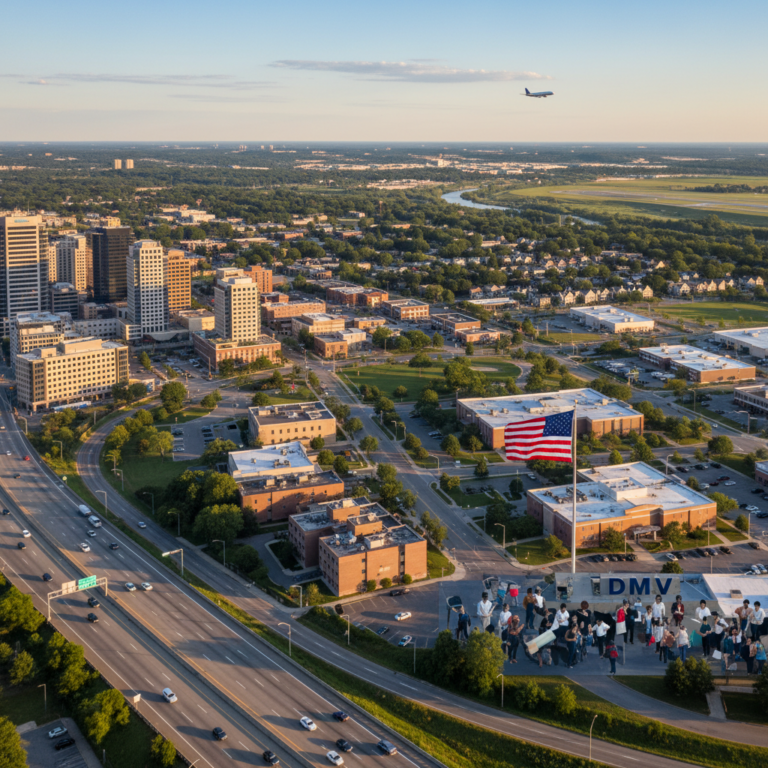
Even in a scenario of tightening American immigration policy, the most recent data from the United States Department of State reveals a positive trend for international applicants applying for the B-1/B-2 visa, intended for tourism and business. The global rejection rate fell in 2025, reflecting the continuity of the post-pandemic consular recovery process in several nationalities, including Brazilians, Mexicans, Indians, Chinese and Europeans. This movement towards improvement in approvals occurs counterintuitively, considering the various immigration control measures implemented during the Trump administration.
The numbers gain even more relevance when analyzed within a historical series that includes the years of the pandemic and the period of resumption of consular operations around the world. For those planning a trip to the United States, understanding these trends and the new requirements of the consular process is essential to prepare adequately and increase the chances of approval, regardless of the country of origin.
The year 2020 marked the historic peak of B-1/B-2 visa rejections on a global scale, with rates exceeding 23% in several consular posts. This high rate reflected travel restrictions imposed during the COVID-19 pandemic, when American consulates on all continents operated at reduced capacity and analysis criteria became more stringent.
In the following years, the trend was a gradual decline in practically all regions. In 2021, rates fell significantly, following the reopening of consulates in Latin America, Asia, Europe and Africa. The best performance of the decade occurred in 2023, when rates reached levels below 12% in several markets, reflecting a phase of normalization of consular processes and high demand for international travel.
In 2024, rates rose again, possibly influenced by the start of new verification policies adopted globally. Already in 2025, the decline observed in multiple nationalities, including applicants from Latin America and Asia, demonstrates that, despite a political environment less favorable to immigration, the visa granting process continues to function technically and based on individual criteria.
Several changes to the consular process have come into force in recent months and directly affect anyone applying for a US visa anywhere in the world. From October 2025, the face-to-face interview will once again be mandatory for those under 14 and over 79. Previously, these groups were exempt from the interview at many consular posts, which speeded up the process. With the new requirement, families traveling with children need to plan their trip to the consulate further in advance.
Since June 2025, social media analysis has become a mandatory requirement for student visas. Although this measure is initially aimed at F and J visas, it signals a trend of greater digital scrutiny that could expand to other visa categories in the future, reaching applicants of any nationality.
In 2026, the temporary suspension of immigration visas for 75 countries was announced. This measure, however, does not affect B-1/B-2 tourism and business visas, which continue to be processed normally for the vast majority of nationalities. Another relevant change is the requirement for financial security for tourists from certain countries classified as high risk, a rule that is applied selectively depending on the overstay history of each nationality.
Analysis of the data shows that the B-1/B-2 visa granting process remains fundamentally technical, even in a more restrictive political environment. Consular officers continue to evaluate each application based on objective criteria established in US immigration law, especially Section 214(b) of the Immigration and Nationality Act, which applies uniformly to applicants from any country.
Financial documentation is one of the pillars of the process. Consistent bank statements, proof of stable income and demonstration of ability to cover travel costs are elements that significantly strengthen the request. It is not necessary to present exorbitant balances, but rather to demonstrate stability and consistency with the declared profile, in local currency or convertible currencies.
Links with the country of origin continue to be a determining factor. Fixed employment, properties, enrollment in educational institutions, dependents in habitual residence and other connections that demonstrate the intention to return are carefully evaluated by the consular officer. The stronger these ties, the less likely it is to refuse, in accordance with the established doctrine of Section 214(b).
International travel history, when favorable, also contributes positively. Previous approved visas, entry and exit stamps in other countries and a standard of compliance with the conditions of stay demonstrate that the applicant is a reliable traveler in the eyes of the consular officer.
The consular interview is the most decisive moment in the process, whether it is carried out at an American consulate in Latin America, Europe, Asia or Africa. Clear, objective and consistent answers with the documentation presented make a significant difference. Hesitations, contradictions or vague information tend to generate distrust and can lead to refusal.
It is recommended that the applicant is clear about the travel itinerary, the intended dates, the place of accommodation and the relationship with any contacts in the United States. Demonstrating that the trip was planned in an organized manner and that there is a defined purpose, be it tourism, a business meeting or visiting family, conveys seriousness and preparation.
For those who have had a previous refusal, it is possible to submit a new request at any time. In this case, it is essential to identify what may have motivated the denial and present new elements that strengthen the case, such as changes in professional status, increased ties with the country of residence or more robust financial documentation. The global downward trend in rejections in 2025 confirms that preparation and documentation continue to be more relevant than the political scenario for the outcome of the request, anywhere in the world.
Learn more about B-1/B-2
- Duration
- Up to 6 months
- Extension
- Possible (up to 6 months)
- Work
- Not permitted
- Processing
- 2-8 weeks
Tags
About the author

Victoria Harper
Editor-in-Chief
As a journalist and lead editor at Visto n’ Visa, Victoria helps ensure that immigration topics are covered in a clear, trustworthy, and easy-to-understand way. Her focus is on delivering useful, human, and relevant content for people exploring new paths abroad.