English
 Português
 Español


In the H-1B process, the Department of State acts at the consular stage, meaning it is responsible for issuing the visa to applicants who are outside the United States. It comes into play after the petition has already been approved by another agency.
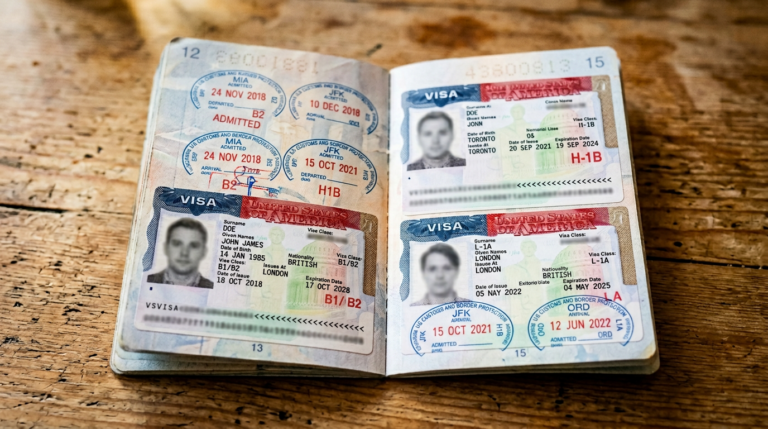
The H-1B petition is approved by USCIS. Once that phase is complete, the applicant abroad schedules an interview at a U.S. embassy or consulate, and that is where the Department of State takes over: it reviews the documentation, conducts the consular interview, and decides whether to issue the visa in the passport.
- USCIS approves the H-1B petition; the Department of State handles the consular phase.
- The consulate reviews documents, conducts the interview, and issues (or denies) the visa.
- The Department of State does not define the employment conditions of the position.
Since each consulate may have its own procedural requirements, it is worth reviewing the official guidance from USCIS and the Department of State and, if needed, seeking specialized support to prepare for the interview.
Learn more about H-1B
- Initial validity
- 3 years
- Extension
- Up to 6 years total
- Annual cap
- 85,000 visas
- Processing
- 6-12 months
About the author

Victoria Harper
Editor-in-Chief
As a journalist and lead editor at Visto n’ Visa, Victoria helps ensure that immigration topics are covered in a clear, trustworthy, and easy-to-understand way. Her focus is on delivering useful, human, and relevant content for people exploring new paths abroad.