English
 Português
 Español


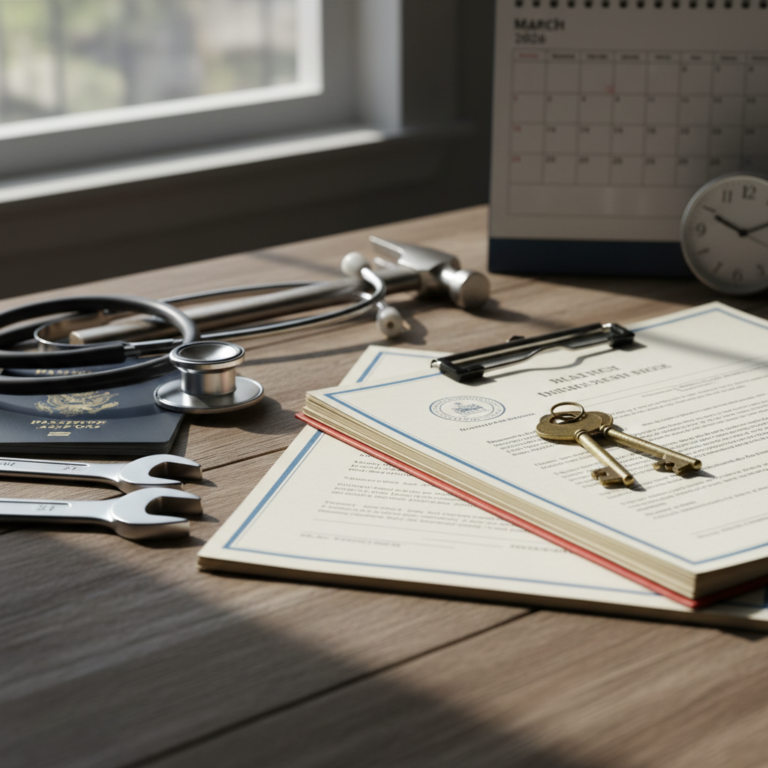
The EB-1A does not strictly require your passport to remain valid from start to finish, but it does need to be valid at the key moments when it is actually used. Keeping the document current is less about a continuous formality and more about not stalling critical steps when they arise.
In practice, a valid passport is essential at points such as:
- The consular interview, for those processing an immigrant visa outside the United States.
- Visa issuance and entry into the country.
- Adjustment of status steps, when the passport is requested as an identity and travel document.
Letting your passport expire in the middle of one of these phases is the kind of detail that causes avoidable delays. If your document is approaching its expiration date, the most prudent course is to renew it in advance so it is valid with room to spare when required.
Because timelines and the order of steps vary by case and by the path chosen, it is worth following official guidance on the USCIS website and at your consulate, and consulting a specialist before each stage if you have any doubts.
Learn more about EB-1
- Category
- EB-1 Green Card (1st priority)
- Requirement
- Extraordinary ability
- Self-petition
- Allowed (no sponsor needed)
- Processing
- 6-18 months
Tags
About the author

Victoria Harper
Editor-in-Chief
As a journalist and lead editor at Visto n’ Visa, Victoria helps ensure that immigration topics are covered in a clear, trustworthy, and easy-to-understand way. Her focus is on delivering useful, human, and relevant content for people exploring new paths abroad.