English
 Português
 Español


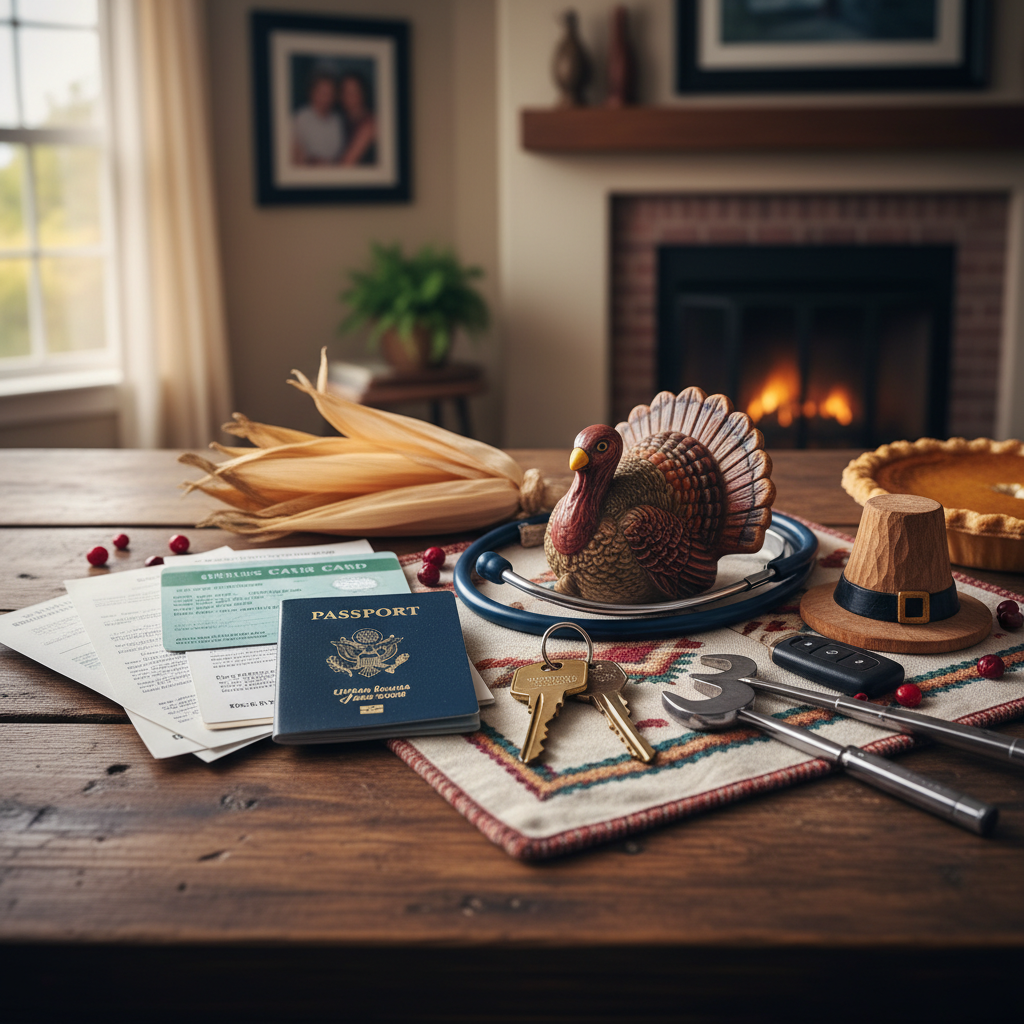
Thanksgiving Day is much more than just a holiday in the United States. It is a cultural milestone that marks the beginning of the holiday season and brings entire families together around centuries-old traditions. For those who have immigrated or are preparing to live in the country, understanding this celebration is an essential part of cultural adaptation and building connections with the local community.
Always celebrated on the fourth Thursday of November, Thanksgiving carries a deeply American meaning that has no direct equivalent in Brazilian culture. Learning about its origins, rituals, and social impact helps immigrants navigate relationships with coworkers, neighbors, and American friends during one of the most significant times on the U.S. calendar.
Historical Origins
The tradition dates back to November 1621, when English settlers known as Pilgrims and Native Americans from the Wampanoag tribe celebrated a successful harvest together in the Plymouth colony in Massachusetts. The festival lasted three days and was marked by an abundance of food and a spirit of cooperation between the two groups. Although the term “Thanksgiving Day” was not used at the time, this celebration is considered the symbolic origin of the holiday.
In 1863, during the Civil War, President Abraham Lincoln officially proclaimed Thanksgiving as a national holiday, seeking to unite the country in a time of deep division. In 1941, Congress passed legislation setting the date as the fourth Thursday of November, a law signed by President Franklin Roosevelt and in effect since 1942.
Table Traditions
The Thanksgiving dinner is the heart of the celebration. The roast turkey is the main dish, which is why the holiday is also informally called “Turkey Day.” It is estimated that Americans consume about 46 million turkeys during the holiday, according to the US Poultry and Egg Association. Traditional side dishes include mashed potatoes, sweet potatoes caramelized with marshmallow, gravy, bread stuffing, sweet corn, and the iconic cranberry sauce.
Among desserts, pumpkin pie reigns supreme, followed by pecan and apple pies. Before starting the meal, it is tradition for each person at the table to share what they are grateful for that year. For immigrants participating for the first time, this moment can be especially meaningful. Another curious tradition is breaking the wishbone: two people hold the ends of the V-shaped bone from the turkey’s chest and pull. Whoever gets the larger piece, according to superstition, will have their wish granted.
Events and Celebrations
The Macy’s Parade in New York is the most iconic Thanksgiving event. Held since 1924, the parade travels through the streets of Manhattan with huge inflatable balloons of popular characters, floats, marching bands, and celebrity performances. The event is broadcast live on television and attracts millions of viewers. Many other American cities also hold their own parades on the morning of the holiday.
American football is another inseparable Thanksgiving tradition. The NFL holds special games on the holiday itself, with matches that have become a family ritual for millions of Americans. For those who are not sports fans, board games, classic movies, and streaming series marathons are favorite alternatives during the four-day holiday weekend.
Travel and Logistics
Thanksgiving is the busiest travel period in the United States. Recent data from the AAA indicates that about 80 million Americans travel during the holiday, most by car, to gather with family in other cities and states. Airports become overcrowded and highways face significant traffic jams. For immigrants planning domestic trips during this period, it is recommended to book tickets and accommodations well in advance.
It is important to know that most businesses close on Thanksgiving Day. Supermarkets, restaurants, and public services operate on very limited hours or not at all. Shopping for the dinner should be done days in advance, as items like whole turkeys and pies sell out quickly in stores.
Black Friday and Cyber Monday
The Friday following Thanksgiving is the famous Black Friday, the biggest shopping day of the year in the United States. Physical and online stores offer significant discounts on electronics, appliances, clothing, and virtually every product category. In recent years, the trend of online shopping has grown significantly, with Cyber Monday (the following Monday) also offering exclusive deals for online commerce.
For immigrants, Black Friday can be a strategic opportunity to purchase high-value items with considerable savings. It is common for Brazilians in the U.S. to take advantage of this time to buy Christmas gifts or items they had planned to purchase for their homes.
Immigration and Multiculturalism
Although Thanksgiving is a fundamentally American tradition, its history is intrinsically linked to immigration. The Pilgrims themselves were immigrants seeking religious freedom, and over the centuries, immigrant communities from around the world have added their influences to the holiday’s traditions. French immigrants in New Orleans created pecan pie by combining local ingredients with European techniques, and Latino families often incorporate typical dishes from their countries into the dinner.
For Brazilians in the United States, Thanksgiving can become a cultural bridge. It is an opportunity to share Brazilian dishes with American friends, such as farofa or vinaigrette, while embracing a new tradition. Many immigrant families report that the holiday becomes, over time, one of their favorites, precisely because of its spirit of gratitude and unity that transcends cultural and linguistic boundaries.
About the author

Victoria Harper
Editor-in-Chief
As a journalist and lead editor at Visto n’ Visa, Victoria helps ensure that immigration topics are covered in a clear, trustworthy, and easy-to-understand way. Her focus is on delivering useful, human, and relevant content for people exploring new paths abroad.