English
 Português
 Español


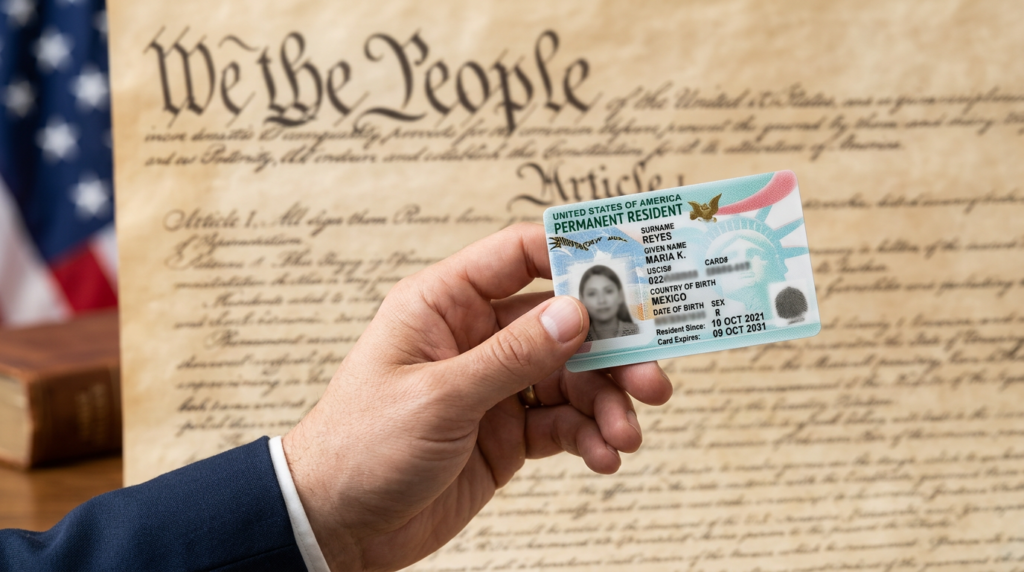
Obtaining a Green Card represents a significant achievement for immigrants who wish to live, work, and study in the United States. This permanent resident status opens doors to countless opportunities, allowing its holders access to social benefits and a high-quality educational system. However, along with these rights come responsibilities that require constant attention and strict compliance with laws and regulations.
Over the years, many permanent residents have sought to better understand the details of the rights and duties associated with the Green Card. This article brings together, in a detailed and updated manner for 2026, the main guidelines on advantages, obligations, and precautions that every Green Card holder should be aware of. The information presented here is essential to avoid legal complications and ensure the maintenance of immigration status.
This content presents a clear and organized approach, aimed at both newcomers and residents who are already experiencing American life. The periodic updating of guidelines, together with consultation of official sources, is essential for Green Card holders to fully enjoy the benefits while complying with legal requirements.
Rights of Permanent Residents
- Freedom to live anywhere: Permanent residents have the freedom to choose any place to live in the United States, which allows mobility within the country and access to different regional opportunities.
- Freedom to work: With a Green Card, individuals are authorized to work in any sector, without the need for additional permits, expanding their possibilities in the job market.
- Access to education: Green Card holders can enroll in public and private educational institutions, taking advantage of high-quality educational programs and, in some cases, reduced tuition rates.
- Social benefits: If they meet the requirements set by federal policies, permanent residents may have access to Social Security, Medicare benefits, and supplementary programs, contributing to a social safety net.
- Path to citizenship: After five years of continuous residence, a Green Card holder may begin the naturalization process to become a U.S. citizen, provided all legal criteria are met.
- Family reunification: Permanent residents can initiate immigration processes to reunite family members, allowing spouses and unmarried children to obtain their immigrant status according to current regulations.
- Right of reentry: Green Card holders have the right to leave and return to the United States, as long as they respect the absence limits set by immigration authorities.
Duties of Permanent Residents
- Obeying the law: It is essential that all Green Card holders comply with federal, state, and local laws. Maintaining conduct in line with legal requirements is fundamental to preserving immigration status.
- Tax payments and filings: Permanent residents must file and pay income taxes and other taxes, acting in accordance with U.S. and state tax regulations.
- Reporting address changes: Any change in residential address must be reported to the responsible agency-usually USCIS-within the stipulated period (normally 10 days), ensuring that records are always up to date.
- Selective Service registration: Men between the ages of 18 and 26 are required to register with the Armed Forces Selective Service, demonstrating their willingness to serve if necessary.
- Respecting absence limits: Prolonged absences from the country may be interpreted as abandonment of resident status. It is essential to comply with the established limits, always seeking to preserve permanent residence.
- Protecting information: The Green Card and its associated number must be kept in a safe place, avoiding unauthorized disclosure that could lead to fraud or misuse of personal data.
Procedures and Guidelines for Maintaining Status
To ensure that the Green Card remains valid and resident status stays in compliance with regulations, specific procedures must be followed. In situations of renewal or replacement of the document, the use of the appropriate form is mandatory. As a general rule, Form I-90 is used to request a new Green Card or to correct existing data.
However, for those who have a conditional Green Card-usually issued in cases of marriage or investment-the process is different. These residents must follow specific guidelines for removal of conditions, ensuring that the status is converted to permanent before the document expires. This procedure requires extra attention and constant monitoring of USCIS guidelines.
The fees related to these processes may be updated periodically, so it is advisable to check official information to avoid surprises. Advance planning for Green Card renewal or replacement significantly helps minimize risks and ensures that the resident remains in compliance with immigration regulations.
Document Care and Security
Protecting the Green Card is essential to prevent fraud and misuse of personal information. Taking care of the document, which includes keeping it in a safe place and restricting disclosure of its number, helps prevent third parties from improperly benefiting from resident status.
In addition, it is recommended to adopt digital security measures, such as creating password-protected copies and storing them on secure platforms. This practice is especially important in a scenario where scams and fraud are constantly evolving.
Awareness of risks and constant monitoring of one’s own information are actions that strengthen the security of the Green Card holder. Thus, fraud prevention becomes an indispensable complement to maintaining the integrity of immigration status.
Staying and Reentering the U.S.
One of the great advantages of permanent resident status is the freedom to travel and return to the United States. However, properly managing absences is crucial to avoid suspicion of abandoning status. In general, short trips, with periods of less than 6 months, do not compromise resident status.
For intermediate absences, between 6 and 12 months, it is important to keep records that prove continued ties to the country, demonstrating that the main residence remains in the U.S. For longer trips, it is recommended that the resident request, in advance, a reentry permit using Form I-131.
- Short trips: Absences of less than 6 months generally do not have a negative impact, provided the resident maintains evidence of ties to the U.S.
- Intermediate trips: Periods between 6 and 12 months should be well documented to avoid misinterpretations regarding abandonment of residence.
- Extended trips: For absences longer than 12 months, obtaining a reentry permit becomes indispensable, preventing complications with USCIS.
Updates and Official Consultations
The rules and procedures related to the Green Card may change according to U.S. immigration policies. For this reason, although this content has been reviewed and updated for 2026, it is essential that permanent residents regularly check information through official sources, such as the USCIS website.
Continuous monitoring of official guidelines contributes to the legal and administrative security of the Green Card holder, allowing the identification of changes that may affect rights and obligations. This practice, together with keeping up with sector news, helps avoid unforeseen issues and ensures constant compliance with regulations.
In addition, keeping information up to date allows residents to make informed decisions regarding document renewal, reentry permit requests, and maintaining personal records in order. Commitment to regularity and compliance with obligations not only protects immigration status but also reinforces the individual’s integration into American society.
Finally, it is important for Green Card holders to adopt a proactive approach in managing their immigration situation. The combination of thorough knowledge of rights and duties and the pursuit of updated information promotes a safer and more satisfying residency experience in the United States.
In summary, having a Green Card offers numerous advantages, but requires the resident to take a responsible approach and pay attention to obligations. Correctly following legal procedures, maintaining effective communication with authorities, and adopting security measures contribute to maintaining status and preventing administrative or legal problems.
This content was developed to guide permanent residents in a detailed and practical way, highlighting both the rights and duties inherent to the status. Regular compliance with legal obligations, together with constant updating of information, is the path for Green Card holders to fully enjoy the opportunities and benefits offered by the United States.
About the author

Victoria Harper
Editor-in-Chief
As a journalist and lead editor at Visto n’ Visa, Victoria helps ensure that immigration topics are covered in a clear, trustworthy, and easy-to-understand way. Her focus is on delivering useful, human, and relevant content for people exploring new paths abroad.