English
 Português
 Español


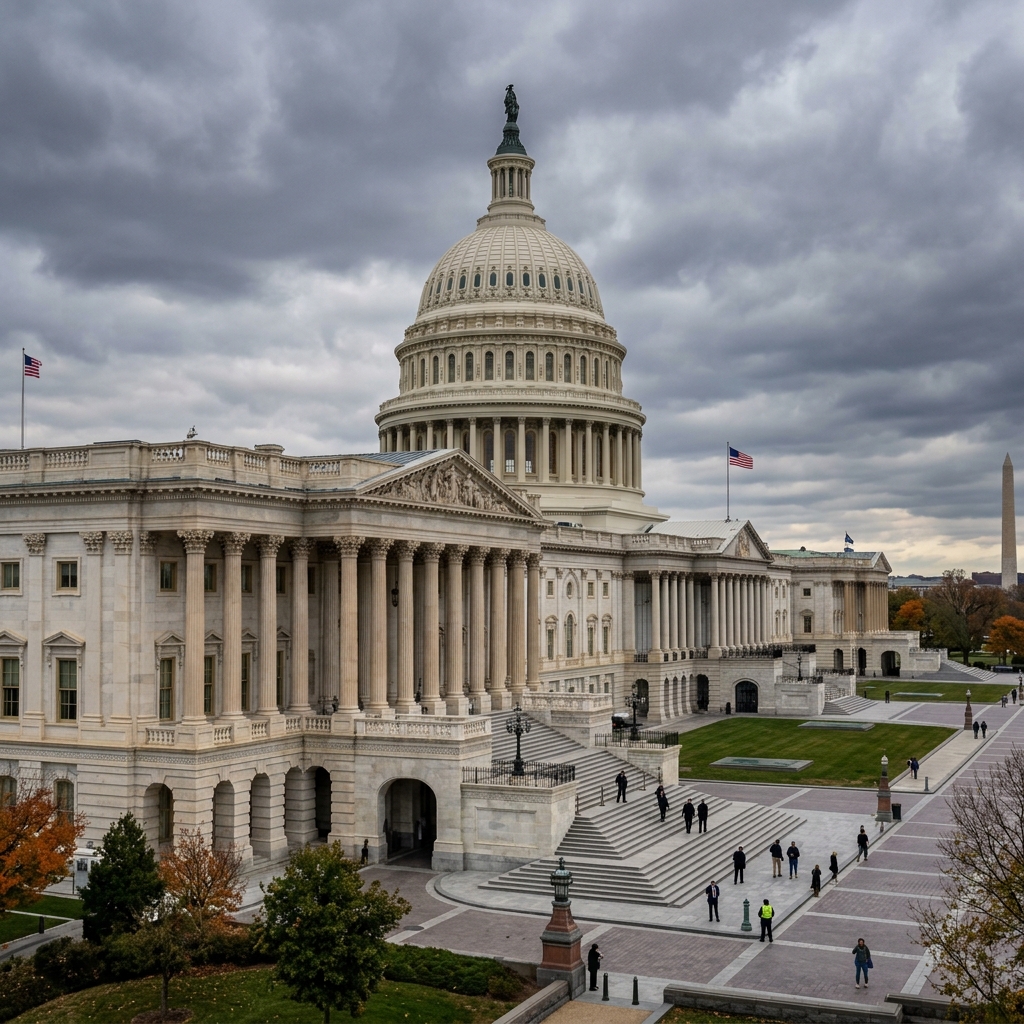
Applying for a visa to the United States is a process that involves specific rules, individualized consular review, and requirements that vary by visa category. Despite this, a significant amount of incorrect information circulates among applicants, creating distorted expectations and, in many cases, undermining the outcome of the application. Understanding how the system actually works is the first step toward more solid and effective preparation.
The U.S. Department of State and USCIS (U.S. Citizenship and Immigration Services) are the agencies responsible for regulating and adjudicating visas. Their guidelines are public, accessible, and updated regularly, which makes it all the more important for applicants to seek information directly from official sources before making decisions about their immigration process.
Does Correct Documentation Guarantee Approval?
One of the most common misconceptions is the belief that submitting all requested documents guarantees visa approval. In practice, U.S. immigration law grants the consular officer broad discretionary authority in evaluating each case. This means that even with all documentation in order, the final decision goes beyond the paperwork presented.
The officer assesses factors such as the applicant’s travel history, ties to the home country, consistency of the stated purpose, and likelihood of return to the country of residence. Complete documentation is necessary but not sufficient for approval. Each consular interview is an individual evaluation, and the outcome reflects the full picture of information available at that moment.
Is a Student Visa Easy to Get?
The F-1 visa, intended for international students, requires considerably more than an acceptance letter from a U.S. university. To obtain it, the applicant must demonstrate enrollment in an institution certified by SEVP (Student and Exchange Visitor Program), show financial capacity to cover tuition and living expenses, and present clear ties to the home country that evidence intent to return after completing the program.
The consular interview for the F-1 involves questions about academic motivation, post-graduation plans, and funding sources. Inconsistencies in the answers or the absence of convincing ties to the home country are among the most frequent causes of denial. The process is therefore rigorous and requires careful preparation.
Do Relatives in the U.S. Guarantee Approval?
Having family members residing in the United States does not guarantee, and may actually complicate, approval for a nonimmigrant visa. For categories such as B-1/B-2 (tourism and business) and F-1 (student), the applicant must demonstrate the absence of immigrant intent, meaning they plan to return to their home country after the authorized period.
When a consular officer identifies the presence of close relatives in the U.S., this may generate additional scrutiny regarding the true purpose of the trip and the risk of overstay. The existence of family ties is not, in itself, a negative factor, but it also does not constitute grounds for automatic approval.
Is the Interview Just a Formality?
The interview at the consulate or embassy is one of the most decisive steps in the visa process. The consular officer has legal authority to approve or deny the application based on the answers provided, the documentation presented, and an overall assessment of the applicant’s profile. It is not a bureaucratic formality; it is the moment when the decision is effectively made.
Vague answers, conflicting information, or a lack of clarity about the purpose of the trip are frequent grounds for denial. Preparing for the interview in advance, organizing documents in a logical manner, and being able to explain the reasons for the trip with confidence are essential practices for any applicant.
Visa Validity and Length of Stay
Many applicants confuse visa validity with the authorized period of stay in the United States. The visa determines until when the holder may present themselves at a U.S. port of entry, but it is CBP (Customs and Border Protection) that sets the authorized stay period upon arrival in the country.
Form I-94, issued electronically by CBP, records the authorized departure date. Exceeding that date, even if the visa is still within its validity period, constitutes an unlawful overstay and can result in severe consequences, including three- or ten-year bars on reentry, depending on the duration of the violation.
Does Every Visa Follow the Same Process?
Each visa category has its own requirements, forms, and evaluation criteria. A B-1/B-2 visa for tourism requires different evidence than an F-1 for studies, which in turn differs entirely from an H-1B for specialty work or an employment-based immigrant visa.
The forms vary: DS-160 is used for nonimmigrant visas, while DS-260 applies to immigrant visas. Consular fees, supporting documents, and legal criteria also change by category. Treating all visas as if they follow the same process is a mistake that can lead to inadequate preparation and an avoidable denial.
Accurate Information Makes the Difference
The U.S. visa system is complex, but it is not opaque. All rules, requirements, and procedures are documented on the websites of the Department of State and USCIS. Applicants who invest time in understanding the process, consulting official sources, and preparing their documentation in an organized and coherent manner significantly increase their chances of success.
Avoiding decisions based on myths and secondhand information is just as important as assembling the right documents. Informed preparation does not guarantee approval, since the decision is always discretionary. However, it substantially reduces the risk of avoidable errors and denials that could have been prevented with a more well-grounded approach.
Learn more about B-1/B-2
- Duration
- Up to 6 months
- Extension
- Possible (up to 6 months)
- Work
- Not permitted
- Processing
- 2-8 weeks
Tags
About the author

Victoria Harper
Editor-in-Chief
As a journalist and lead editor at Visto n’ Visa, Victoria helps ensure that immigration topics are covered in a clear, trustworthy, and easy-to-understand way. Her focus is on delivering useful, human, and relevant content for people exploring new paths abroad.