English
 Português
 Español


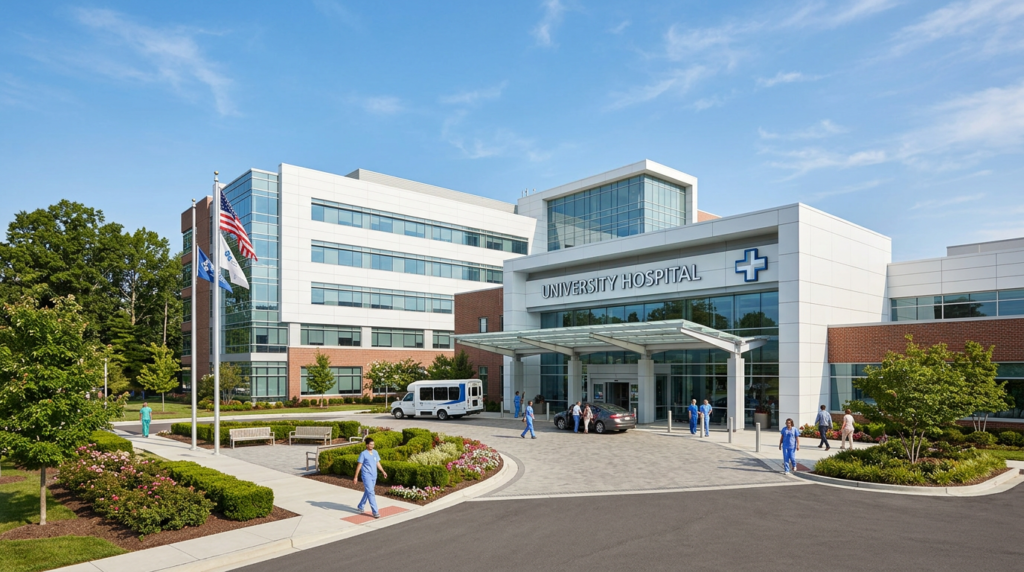
The United States healthcare system is a widely debated and complex topic that draws interest both from Americans and from foreigners planning to live or work in the country. Currently, the model combines private and public elements, offering services that vary according to economic status, area of residence, and the beneficiary’s profile. In 2026, practices and policies are continuously adjusted to serve a diverse and ever-changing population.
Although it is common to hear that approximately 85% of care takes place in private institutions-while about 15% of the population uses public services-these numbers may vary depending on technological advances and health policies adopted by the states. This division reinforces the importance of understanding the criteria and conditions for accessing each modality, especially for immigrants who need to adapt to the local context.
Private Care: Challenges and Structure
In the private sector, services are predominantly provided by hospitals, clinics, and laboratories that operate based on health insurance plans. Many employers offer medical insurance as a benefit, but even so, users often face additional costs, such as the deductible, which determines the amount to be paid by the patient before insurance coverage takes effect.
When purchasing a private plan, it is essential to carefully analyze the contractual conditions. Plans with higher monthly fees usually offer broader coverage and lower co-pay rates, while others may restrict reimbursement for treatments, encouraging control of direct expenses. This dynamic requires consumers to be well informed to make conscious decisions.
Public Care and Government Programs
The public health sector in the United States is structured through federal and state programs aimed at specific population groups. Among the main ones are Medicare and Medicaid, which serve, respectively, the elderly, people with disabilities, and low-income individuals.
Medicare is a federal program traditionally aimed at residents aged 65 or older and people with certain health conditions or disabilities. Eligibility depends largely on the length of contribution to the system. Even in 2026, this criterion remains relevant, ensuring access to hospital admissions, outpatient care, and preventive services.
Medicaid, on the other hand, operates as a partnership between federal and state governments, aiming to provide medical assistance to people with limited income. Although eligibility criteria vary from state to state, several jurisdictions have recently expanded access to the program, seeking to reduce inequalities in healthcare.
The Legacy of the Affordable Care Act
Popularly known as Obamacare, the Patient Protection and Affordable Care Act was implemented to expand access to healthcare and reduce costs for users and the government. Over the years, the program has undergone adjustments and reforms that have kept pace with technological and economic changes, always maintaining a focus on prevention and the provision of essential services.
Among the measures adopted, the provision of subsidies for people with a monthly income of up to four times the poverty line stands out. This initiative facilitates access to individual insurance with more affordable conditions, while also imposing obligations for large employers to offer health plans to their employees.
Impacts on the Labor Market and International Mobility
An important aspect of the American healthcare system is the historic shortage of professionals in areas such as medicine, nursing, physical therapy, and dentistry. This demand has driven the hiring of foreign professionals, opening opportunities for specialists who intend to work legally in the country. For many immigrants, diploma certification and passing specific exams are fundamental steps to enter this market.
Understanding the complexities of the sector is indispensable for those who wish to settle in the USA. Knowing the requirements for working in the healthcare field and the opportunities offered by the market allows for more effective preparation and smoother integration into the North American professional environment.
Contractual Aspects and Financial Considerations
For those who choose private health insurance, one of the critical points is the detailed analysis of the contract. The existence of deductible clauses means that the insured must bear the initial costs of care until reaching the stipulated amount for coverage to be activated. This practice aims to prevent excessive use of services but can represent a considerable financial burden, especially in emergency situations.
Moreover, even plans that guarantee adequate coverage for emergencies may exclude certain elective treatments or special procedures, imposing extra costs on the user. Thus, evaluating the specificities and contractual limitations is essential so that beneficiaries can plan their expenses and avoid unpleasant surprises.
Current Challenges and Future Perspectives
Despite innovations and expanded access policies, the US healthcare system continues to face significant challenges. Issues such as the high cost of treatments, inequality in access, and the need for a more robust public infrastructure remain at the center of political and social debates. Ongoing reforms are discussed with the aim of modernizing the system and making it more inclusive.
In 2026, there is also a growing trend in the integration of health and technology, with the expansion of telemedicine and the digitization of medical records. These innovations promise to improve the efficiency of care, reduce errors, and facilitate communication between patients and healthcare professionals, although they also bring challenges related to data security and privacy.
The Importance of Knowledge for Immigrants
For those planning to move to the United States, understanding how the healthcare system works is fundamental. The choice between a private plan or the possibility of accessing public programs can directly impact the immigrant’s quality of life and financial security. This knowledge allows the new resident to prepare for the challenges and opportunities they will encounter as they integrate into American society.
Furthermore, the constant evolution of health policies requires immigrants to stay informed through official and up-to-date sources. This vigilance is crucial not only for obtaining immediate benefits but also for long-term planning, considering aspects such as continuity of care and the availability of specialized services.
Final Considerations
When analyzing the United States healthcare system, it becomes clear that the coexistence of private and public sectors reflects the complexity and dynamics of a country with one of the largest economies in the world. Although the challenges are notable, the opportunities arising from technological innovations and policies to expand access demonstrate a path of continuous transformation.
For both residents and immigrants, being well informed about the conditions, contracting rules, and specifics of health programs is a fundamental step to ensure better integration and take advantage of the opportunities the country offers. Adapting to the American model inevitably involves understanding its mechanisms and particularities.
In summary, the healthcare landscape in the USA in 2026 is marked by constant changes, economic challenges, and technological advances that shape access and the quality of services. For those interested in starting a new journey in this environment, staying up to date and understanding the nuances of the system is essential to ensure a safer, more efficient journey with real opportunities for a quality life.
About the author

Victoria Harper
Editor-in-Chief
As a journalist and lead editor at Visto n’ Visa, Victoria helps ensure that immigration topics are covered in a clear, trustworthy, and easy-to-understand way. Her focus is on delivering useful, human, and relevant content for people exploring new paths abroad.