English
 Português
 Español


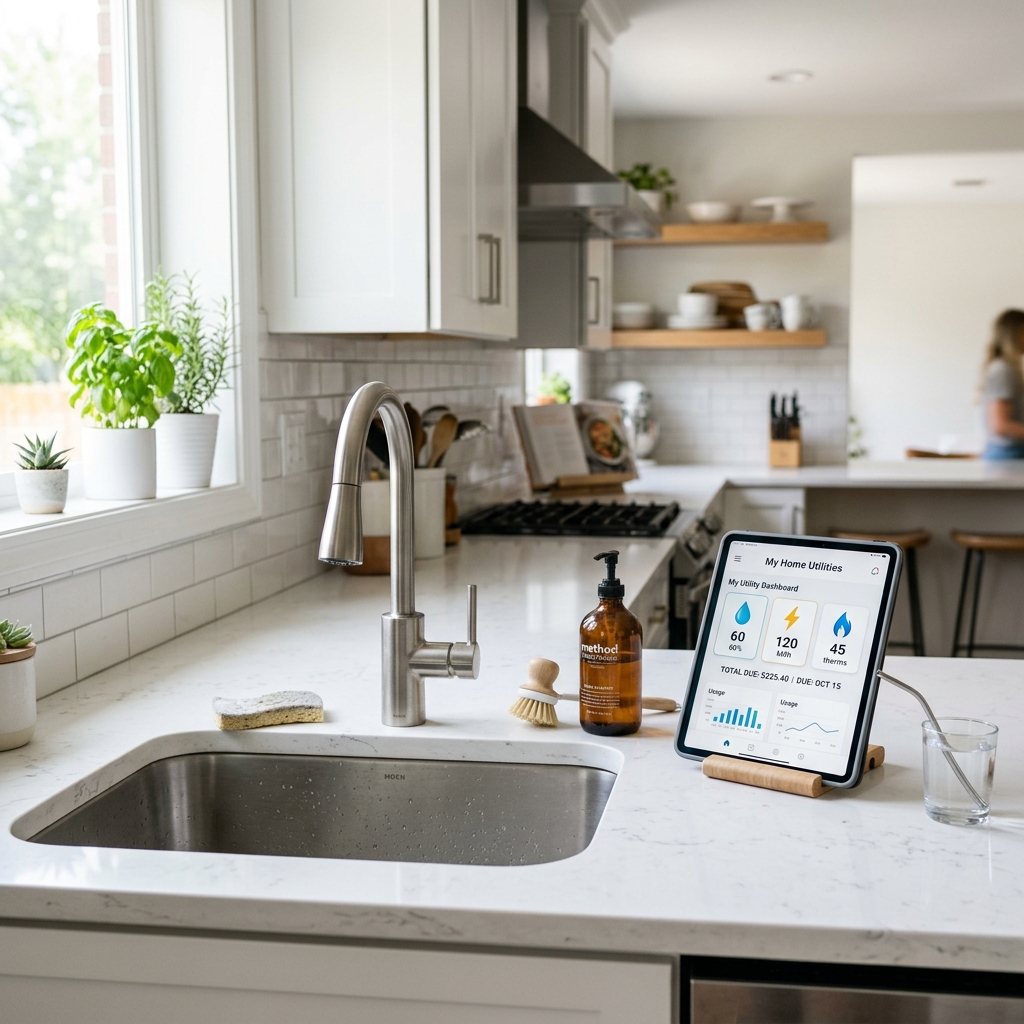
Moving to the United States involves financial planning that goes well beyond rent. Basic service bills, known as utilities, include electricity, water, sewer, natural gas, and internet, and they represent a significant share of any household’s monthly budget. For those preparing to live in the country, knowing typical price ranges, the factors that influence costs, and money-saving strategies is essential to avoid surprises in the first few months.
The total cost of utilities varies by state, regional climate, property size, and the residents’ consumption habits. In general terms, a household can expect to spend between $250 and $550 per month to cover all essential services. Regions with harsh winters or extremely hot summers tend to drive electricity and gas bills considerably higher.
Electricity in the U.S.
Electricity is typically the most expensive utility in the household budget. The average monthly electricity cost for a residence in the United States ranges from $150 to $300, and can exceed that in states with more severe climates, such as Texas in the summer or Minnesota in the winter.
Several factors influence the electricity bill. Regional climate is the primary driver: homes that rely on central air conditioning for several months of the year or on electric heating in the winter will face considerably higher bills. Property size, appliance energy efficiency, and building insulation also play a relevant role.
To save on electricity, it is advisable to use LED lighting, set the thermostat to moderate temperatures, and unplug devices from standby mode. When possible, choose appliances with the Energy Star label. Some utility companies offer lower rates during off-peak hours, which can mean additional savings.
Water and Sewer
Water and sewer services are generally managed by municipalities and billed together. The average monthly cost falls in the range of $50 to $100 for a typical residence, although this figure varies with consumption and local municipal rates.
In some cities, trash collection and recycling services are included in the water bill. In others, they are billed separately and can add between $20 and $40 to the monthly budget. Checking what is included in the water bill is an important step when moving to a new city.
Simple practices make a difference in reducing consumption: fixing leaks promptly, taking shorter showers, running the washing machine and dishwasher only with full loads, and avoiding overwatering the lawn. These measures help cut costs and support local water sustainability.
Natural Gas
Natural gas is used in a large portion of American homes for heating, water heating, and in many cases for stoves and clothes dryers. Monthly costs typically range from $40 to $150, depending mainly on climate and usage level.
During winter months, especially in northern and midwestern states, the gas bill can triple compared to milder months. Investing in adequate insulation and using programmable thermostats are the most effective strategies for managing these costs.
Not all homes in the U.S. are connected to the natural gas grid. In rural areas, propane is commonly used and tends to be more expensive. This is an important factor to consider when choosing a home.
Internet and Connectivity
Broadband internet is a basic necessity for most residents in the United States. Home internet plans cost between $50 and $100 per month, depending on the speed contracted and the provider available in the area.
Major providers offer plans with speeds ranging from 100 Mbps to over 1 Gbps. Introductory promotions for new customers are common, with significant discounts for the first 12 months, but it is important to check the regular price after the promotional period ends to avoid billing surprises.
A valuable tip is to avoid bundled packages that combine cable TV with internet unless the television service is genuinely desired. Internet-only plans typically offer better value, and many households opt for streaming services as a more economical alternative to traditional cable TV.
Setting Up Services
When moving to a new address in the United States, each utility must be activated separately by contacting local service providers. The process generally requires the property address and a valid form of identification, such as a passport or driver’s license.
For newcomers without a U.S. credit history, many utility companies require a security deposit, which can range from $100 to $400 depending on the service and the company. This deposit is refundable after a period of timely payments, typically between 12 and 24 months.
A Social Security Number is not required to sign up for utilities in most states, but it simplifies the process and may reduce the required deposit. It is advisable to contact utility companies ahead of time to ensure services are active on moving day.
Other Housing Expenses
Beyond traditional utilities, other recurring expenses are part of the cost of housing. Condominium fees, known as HOA fees (Homeowner Association fees), can range from $100 to more than $500 per month in planned communities or gated communities.
Homeowners insurance, or renter’s insurance for tenants, is frequently required by landlords and rental agreements. Basic plans cost between $15 and $30 per month and provide coverage for personal belongings, liability, and temporary living expenses in the event of a covered loss.
Planning for these expenses in advance allows for a smoother transition to life in the United States. By adding up all utilities and recurring housing costs, it is possible to build a realistic monthly budget that avoids financial strain during the first months of settling into the country.
About the author

Victoria Harper
Editor-in-Chief
As a journalist and lead editor at Visto n’ Visa, Victoria helps ensure that immigration topics are covered in a clear, trustworthy, and easy-to-understand way. Her focus is on delivering useful, human, and relevant content for people exploring new paths abroad.