English
 Português
 Español


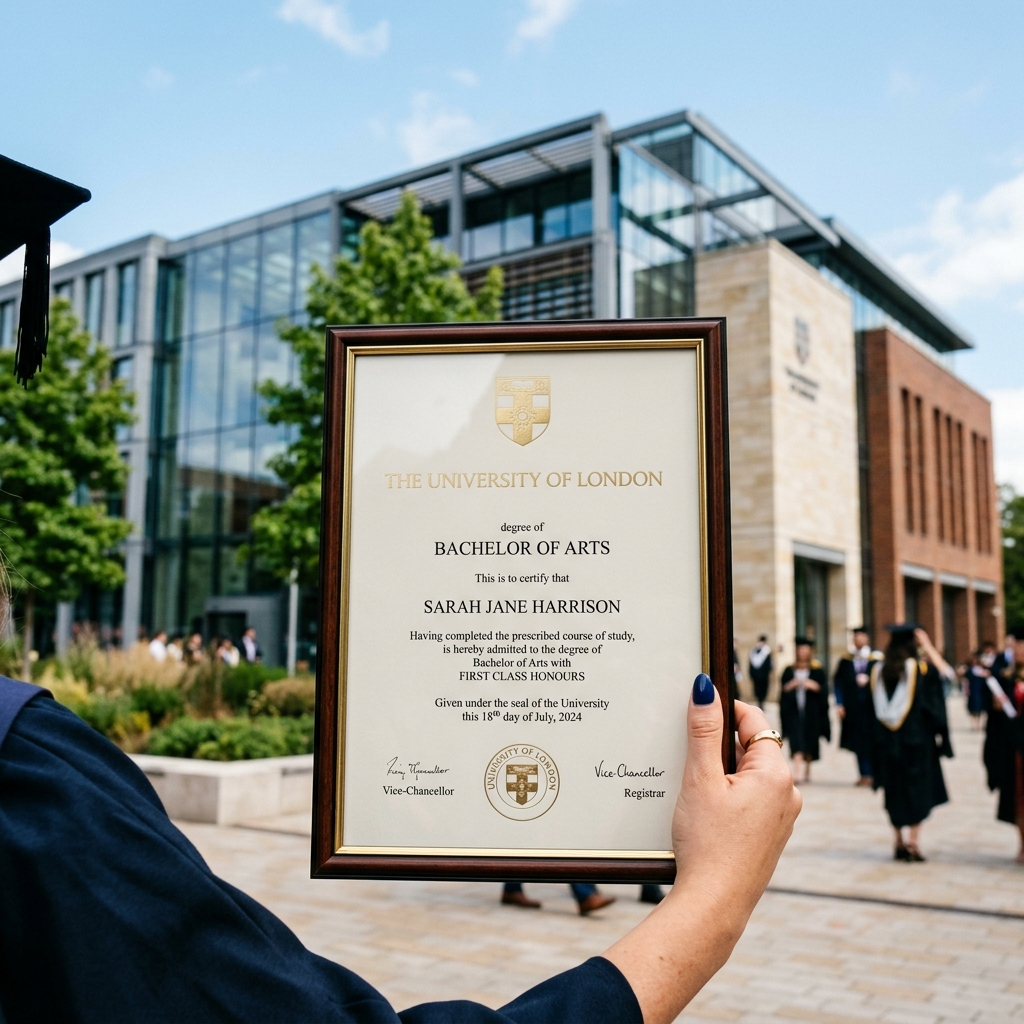
Practicing a profession in the United States is a concrete goal for many internationally trained professionals, but the path requires careful planning. Credential evaluation in the U.S. is the process by which an academic degree earned abroad is assessed and recognized by American institutions, allowing the professional to practice legally in the country. Without this recognition, even years of solid professional experience may not be sufficient to obtain a U.S. professional license.
The process varies considerably depending on the profession, the state, and the regulatory body involved. Some fields, such as medicine, engineering, and accounting, have particularly stringent requirements, including specific examinations and supervised residency periods. This guide presents the fundamental steps and strategies that can facilitate the process.
Understanding the requirements before starting is essential to avoid rework, unnecessary costs, and delays that could compromise career and immigration plans.
Why Credential Evaluation Matters
Credential evaluation in the United States is the official recognition that your academic degree meets the standards required by the American educational and professional system. Unlike some countries where a central authority handles foreign degree recognition, in the U.S. each state has its own regulatory bodies and evaluation criteria.
Without credential evaluation, a professional may be unable to practice legally, even with a valid work visa. In addition, many American employers require foreign candidates to present a formal equivalency evaluation as part of the hiring process. Credential evaluation may also be necessary for immigration processes that require proof of equivalent academic credentials.
Process Steps
The credential evaluation process involves multiple steps that must be completed sequentially. While variations exist by profession and state, the general roadmap includes the following steps.
Initial Research and Planning
The first step is to identify the regulatory body for your profession in the state where you intend to practice. Each U.S. state has its own rules, and what is accepted in California may not be valid in New York. Research the specific requirements, timelines, and necessary documents directly on the regulatory body’s website.
Credential Evaluation
The second step involves hiring a recognized Credential Evaluation Services agency to analyze your degree and issue an equivalency report. The most widely used agencies are members of NACES (National Association of Credential Evaluation Services) or AICE (Association of International Credential Evaluators). Among the best known are WES (World Education Services) and ECE (Educational Credential Evaluators).
The report issued by these agencies translates your degree and academic transcript into the U.S. system, indicating the equivalent degree level in the U.S. This document is required by most regulatory bodies and employers.
Profession-Specific Examinations and Certifications
Many licensed professions in the U.S. require passing specific examinations to demonstrate proficiency and technical knowledge. Physicians must pass the USMLE (United States Medical Licensing Examination), accountants the CPA Exam, and engineers the FE (Fundamentals of Engineering) and PE (Professional Engineer) exams. Preparation for these examinations can take months or even years, depending on the field.
Professional License
After meeting all credential evaluation and examination requirements, the final step is to apply for the professional license from the appropriate state regulatory body. This process may involve background checks, fee payments, and in some cases proof of supervised practice hours in the U.S.
Required Documentation
The typical documentation required for the credential evaluation process includes the original degree and its certified English translation, complete academic transcripts with certified translations, professional experience documentation when applicable, letters of recommendation, and language proficiency exam results. Some agencies require that documents be sent directly by the issuing institution in a sealed envelope.
It is advisable to obtain authenticated copies and certified translations well in advance, as these processes can take weeks. Certified translations completed by a translator certified in the U.S. tend to be more readily accepted by American regulatory bodies.
Challenges and How to Overcome Them
The credential evaluation process presents common challenges worth noting. The bureaucracy can be complex, with multiple agencies and steps that vary between states. The cumulative costs of credential evaluation, translations, examinations, and licensing fees can be significant. The language barrier is also a relevant factor, particularly in technical examinations conducted entirely in English.
To overcome these obstacles, it is essential to start the process as early as possible. Organizing all documentation in advance avoids delays. Seeking out online communities of internationally trained professionals who have already gone through the process in the same state and field can provide valuable, up-to-date practical information.
Strategic Tips for the Process
Certain strategies can significantly increase the chances of success and reduce the overall time of the process. Research whether the state where you plan to practice accepts the credential evaluation from a specific agency before hiring one, avoiding the need to repeat the process. Check whether there are reciprocity agreements between states that could facilitate a license transfer in the future.
Also consider that some professions allow practice under a temporary license or under supervision while the full credential evaluation process is ongoing. This may be an option to begin working in the field while completing all requirements. Maintaining direct contact with the regulatory body and periodically following up on the progress of the process is essential to avoid surprises and resolve outstanding issues promptly.
Tags
About the author

Victoria Harper
Editor-in-Chief
As a journalist and lead editor at Visto n’ Visa, Victoria helps ensure that immigration topics are covered in a clear, trustworthy, and easy-to-understand way. Her focus is on delivering useful, human, and relevant content for people exploring new paths abroad.