English
 Português
 Español


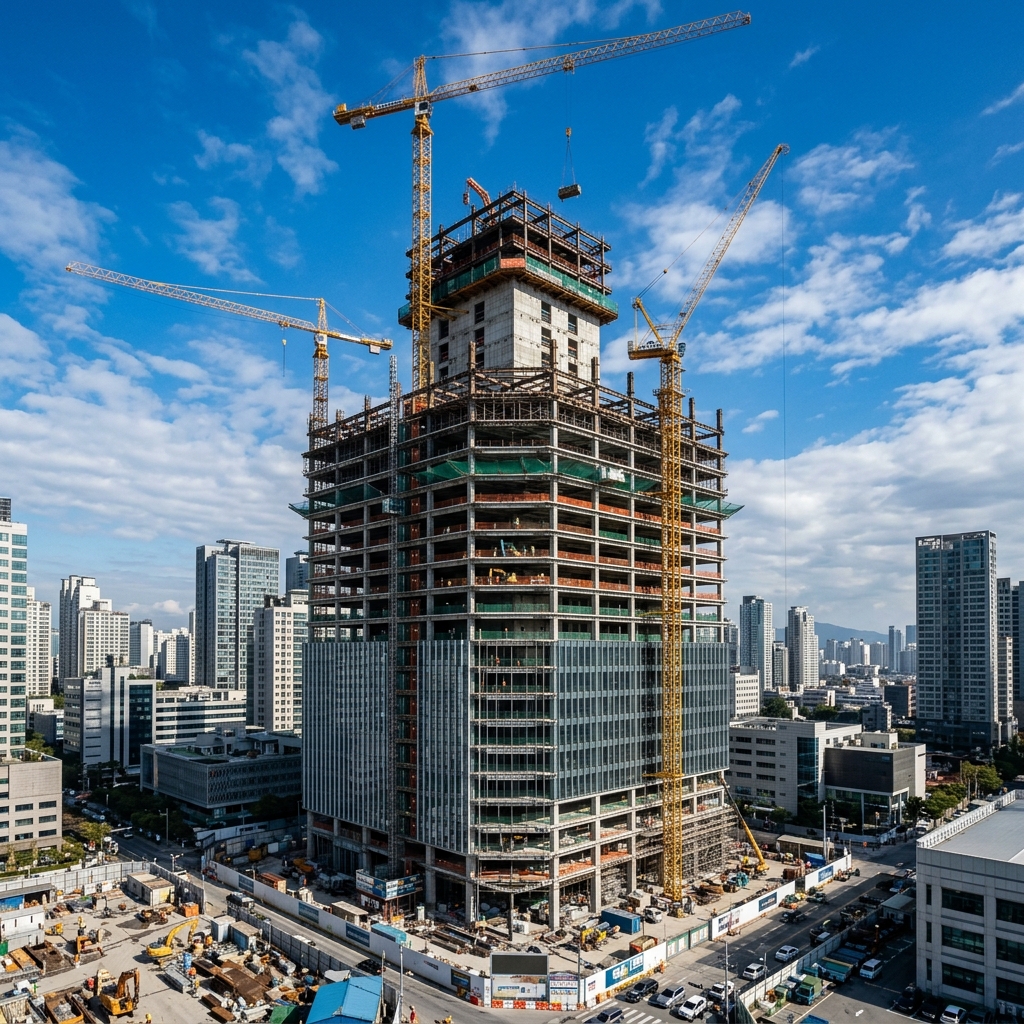
The EB-5 program is one of the most direct pathways for foreign investors to obtain permanent residence in the United States. Created by Congress in 1990, the EB-5 allows immigrants and their immediate family members to obtain a Green Card through a significant investment in a commercial enterprise that creates jobs in the country. For investors with available capital who want to establish themselves permanently in the U.S., the program represents a well-established option regulated by USCIS.
The EB-5 underwent significant reforms in 2022 with the passage of the EB-5 Reform and Integrity Act, which updated the minimum investment amounts, strengthened investor protection mechanisms, and redefined the rules for regional centers. Understanding these changes is essential for anyone considering this pathway. Below, we detail how the program works, its requirements, benefits, and the main risks involved.
EB-5 Investment Modalities
The program offers two main options for the foreign investor. In the first, direct investment, the investor puts capital into a new commercial enterprise that the investor manages directly. This option requires active involvement in managing the business and the creation of at least ten full-time jobs for qualified U.S. workers.
In the second option, the investor places funds into projects approved by a Regional Center designated by USCIS. This is the most popular option among foreign investors, as it does not require direct participation in managing the business. Jobs created can be counted both directly and indirectly, which broadens the possibilities for meeting the job-creation requirement.
Minimum Investment Amounts
With the EB-5 Reform and Integrity Act of 2022, the minimum investment amounts were updated. The standard investment is $1,050,000 for projects in areas not classified as TEA. For projects located in Targeted Employment Areas (TEA), which are areas of high unemployment or rural zones, the minimum amount is $800,000. These amounts may be adjusted periodically by USCIS in accordance with inflation indexes.
Choosing projects in TEA areas is strategic: in addition to the reduced investment amount, these areas receive priority in the allocation of reserved visa numbers, which can result in shorter processing times. The 2022 legislation created reserved visa categories specifically for investments in rural areas, high-unemployment areas, and infrastructure projects.
Step-by-Step Process
The EB-5 process is structured around well-defined steps. The first step is selecting the investment project, whether a USCIS-approved regional center or a viable direct investment opportunity. It is essential to conduct thorough due diligence, verifying the regional center’s track record, the project’s financial viability, and job-creation projections.
After selection, the investor transfers capital to the chosen project. The source of the funds must be proven and lawful. USCIS requires detailed documentation demonstrating the chain of provenance of the funds, including income tax returns, asset sale contracts, bank records, and any records establishing the lawful origin of the capital.
With the investment made, the next step is to file Form I-526E (for regional center projects) or I-526 (for direct investment) with USCIS. This petition documents the investment, job creation, and the investor’s eligibility. After the petition is approved, the investor applies for an immigrant visa through a U.S. consulate or, if already in the U.S., requests adjustment of status using Form I-485.
The initial Green Card is granted on a conditional basis, valid for two years. At the end of that period, the investor must file Form I-829 to request the removal of conditions, demonstrating that the investment was maintained and that the required jobs were in fact created or preserved. Only after I-829 approval does permanent residence become unconditional.
Benefits of the EB-5 Program
The EB-5 offers permanent residence to the principal investor, their spouse, and unmarried children under 21 years of age. With the Green Card, the entire family has unrestricted access to the American job market, the educational system, and the healthcare system. There are no employer or location restrictions. The investor can live and work in any state in the U.S.
After five years as a permanent resident, the investor and family members become eligible to apply for U.S. citizenship through naturalization. For those investing through the regional center option, there is no requirement for active business management, allowing the investor to continue their regular professional activities while the project generates the required jobs.
Risks and Challenges of the EB-5
The EB-5 program is not without risks, and it is essential that investors are aware of possible complications. The financial risk is real: invested capital is tied up for years and there is no guarantee of return. Projects can face financial difficulties, construction delays, or market changes that affect the viability of the enterprise.
Processing time is another significant factor. Depending on demand and case complexity, the complete process, from the I-526E petition to removal of conditions via I-829, can take five to ten years. The complexity of the documentation required by USCIS, especially proving the lawful source of funds, also represents a significant challenge for many investors.
There is also the risk of fraud in regional center projects. Although the 2022 reform strengthened oversight mechanisms and created an integrity fund, it is essential that investors conduct an independent analysis of the project before committing their capital. Choosing projects with a proven track record of approvals and successful completions significantly reduces this risk.
Common Mistakes to Avoid
Inadequate documentation of the source of funds is the most frequent error in EB-5 petitions. USCIS examines the entire chain of capital provenance, and gaps or inconsistencies can result in Requests for Evidence (RFE) or petition denial. Another common mistake is failing to conduct adequate due diligence on project selection, leading investors to commit capital to ventures with questionable viability.
Overlooking the tax implications of the investment in the U.S. is also a frequent mistake. Permanent residents are subject to global income taxation by the United States, which requires advance tax planning, especially for those who maintain assets and income abroad. Seeking specialized international tax planning guidance from the start of the process is the most effective way to avoid problems and protect the investment.
Learn more about EB-5
- Type
- Investment Green Card
- Min. investment
- US$ 800,000
- Jobs created
- Minimum 10 (full-time)
- Processing
- 24-48 months
Tags
About the author

Victoria Harper
Editor-in-Chief
As a journalist and lead editor at Visto n’ Visa, Victoria helps ensure that immigration topics are covered in a clear, trustworthy, and easy-to-understand way. Her focus is on delivering useful, human, and relevant content for people exploring new paths abroad.