English
 Português
 Español


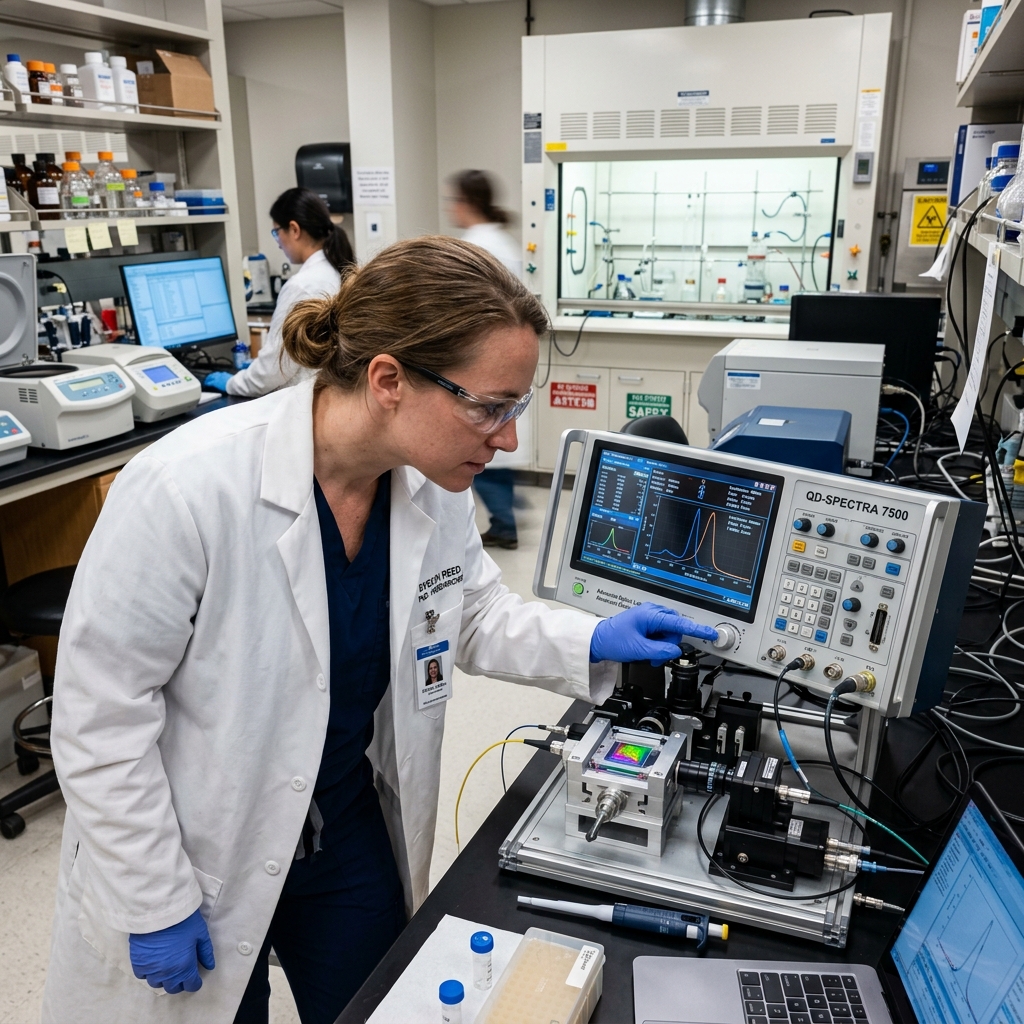
Scientists and researchers with a strong academic record find in the EB-2 NIW one of the most accessible pathways to building a career in the United States without depending on an employer sponsor. This Green Card category recognizes professionals whose work has substantial merit and national interest impact, allowing the applicant to file the petition directly with USCIS.
The academic and research landscape in the U.S. is one of the most competitive and well-funded in the world, with top-tier universities, federal laboratories, and technology companies investing billions of dollars annually in research and development. For international researchers, the EB-2 NIW represents the entry point into this ecosystem of excellence, with the freedom to choose where and on which projects to work.
The waiver of the job offer requirement, the National Interest Waiver, is the central distinguishing feature of this category. While the traditional EB-2 requires a U.S. employer willing to sponsor the process and go through labor certification, the NIW allows the scientist to self-petition based on personal merit and the benefit their research brings to the United States.
Why Scientists Have Strong Profiles
Researchers and scientists are among the most competitive profiles for the EB-2 NIW for several structural reasons. First, the nature of scientific research is inherently of national interest when it contributes to the advancement of knowledge in strategic areas such as biotechnology, artificial intelligence, clean energy, climate science, and public health. Second, researchers typically have a documented track record of accomplishments, including publications, citation metrics, grants, and collaborations, that serves as objective evidence of merit.
USCIS evaluates not only past credentials but also the applicant’s potential for future impact. A researcher with a promising line of inquiry, international collaborations, and a clear plan for continuing work in the U.S. demonstrates being well positioned to carry out nationally relevant research.
Eligibility Requirements
Qualification for the EB-2 NIW as a scientist or researcher requires meeting two levels of criteria: the baseline eligibility requirement and the national interest test.
Baseline Criterion
The applicant must hold an advanced degree (master’s, doctorate, or equivalent) in their area of specialization, or demonstrate exceptional ability evidenced by publications in peer-reviewed journals, participation in international conferences, academic awards, competitive research grants, and recommendation letters from recognized authorities in the field.
The Matter of Dhanasar Test
Established in 2016, the Matter of Dhanasar precedent defines three criteria that the applicant must satisfy. The proposed work must have substantial merit and national importance. For researchers, this may involve work in priority areas such as energy security, national defense, public health, or cutting-edge technology. The applicant must demonstrate being well positioned to advance the proposed work, evidencing qualifications, experience, and a concrete plan. Finally, it must be shown that waiving the job offer requirement benefits the U.S., typically by arguing that tying the researcher to a single employer would limit the reach of their contribution.
Centers of Excellence in the U.S.
One of the major advantages of the EB-2 NIW for researchers is the freedom to pursue opportunities at any institution in the U.S. after obtaining a Green Card. The country is home to some of the world’s leading research centers, with opportunities across a variety of structures.
- Research universities: institutions such as MIT, Stanford, Johns Hopkins, and UC Berkeley receive billions in federal and private research funding
- National laboratories: the Department of Energy (DOE) laboratory system, including Sandia, Los Alamos, Oak Ridge, and Argonne, offers positions in frontier research
- National Institutes of Health (NIH): the world’s leading biomedical research agency, with its own campus and funding for projects at thousands of institutions
- Corporate R&D centers: companies such as Google, Microsoft, IBM, and biotechnology startups actively recruit international PhDs for their research laboratories
With a Green Card obtained through the EB-2 NIW, the researcher can move freely between these opportunities without needing a visa transfer or new sponsorship, a flexibility that temporary visas such as H-1B and J-1 do not offer.
Application Process
The process has two phases. The first involves submitting Form I-140 to USCIS with complete supporting documentation. For researchers, the package should include academic diplomas and transcripts, a detailed list of publications with citation metrics, recommendation letters from at least five to six experts in the field (preferably including professionals with no direct relationship to the applicant), evidence of grants received, and a personal statement articulating the research plan in the U.S.
After the I-140 is approved, the next step is adjustment of status (Form I-485) for those already in the U.S., or consular processing for those abroad. Premium processing is available for the I-140, providing an accelerated response from USCIS.
Tips for Researchers
Researchers pursuing this path have several strategic advantages. Many countries have internationally recognized graduate programs, and many researchers already have publications in high-impact journals and experience in international collaborations. Some practical recommendations for strengthening the petition include keeping an updated profile on platforms such as Google Scholar and ORCID, requesting recommendation letters from U.S. and European researchers with whom you have collaborated, documenting the practical impact of your research beyond the academic environment, and clearly articulating how your research plan in the U.S. connects to American national priorities.
Starting the planning process at least one year in advance allows time to gather robust evidence and build a solid case that minimizes the risk of Requests for Evidence (RFEs) from USCIS.
Learn more about EB-2
- Category
- EB-2 Green Card (2nd priority)
- PERM
- Generally required
- Requirement
- Advanced degree or equivalent
- Processing
- 1-5 years
Tags
About the author

Victoria Harper
Editor-in-Chief
As a journalist and lead editor at Visto n’ Visa, Victoria helps ensure that immigration topics are covered in a clear, trustworthy, and easy-to-understand way. Her focus is on delivering useful, human, and relevant content for people exploring new paths abroad.