English
 Português
 Español


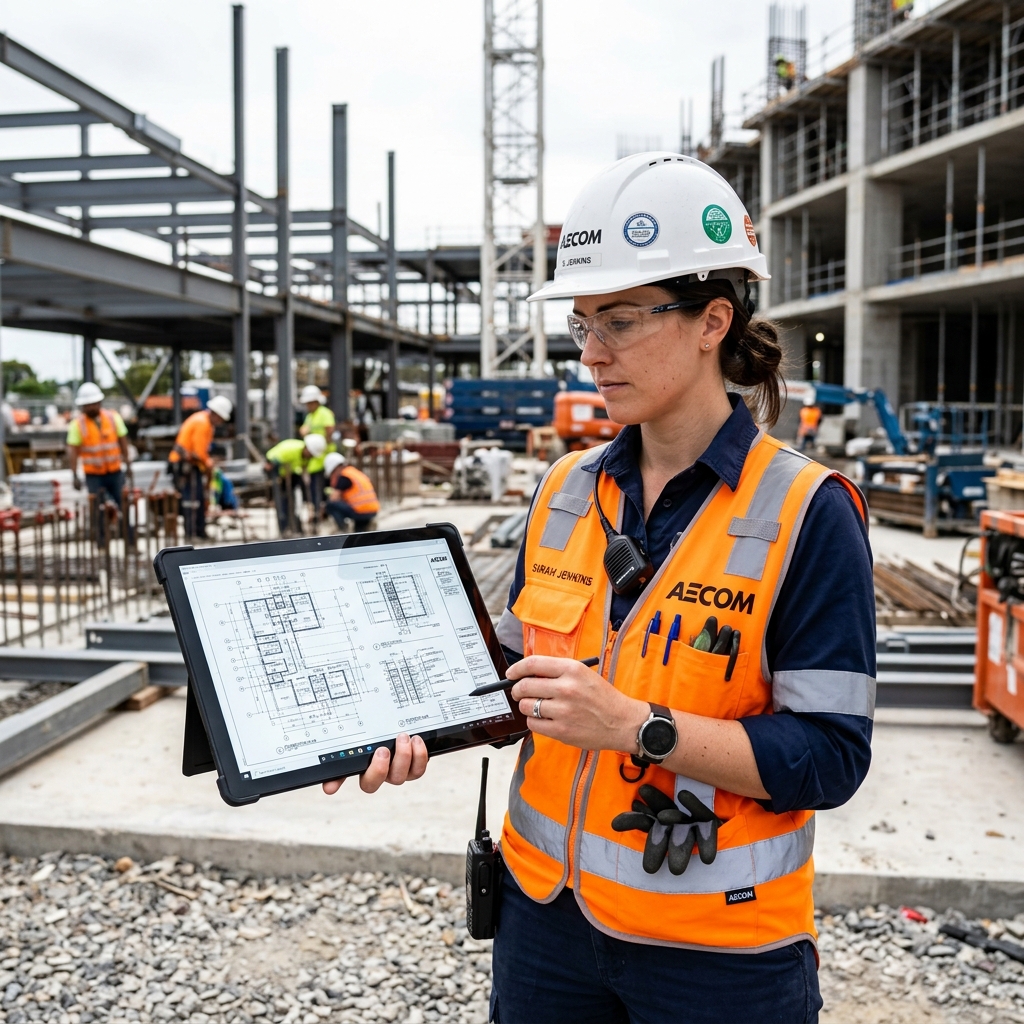
Engineering is one of the most valued professional fields in the U.S. immigration context. Civil, mechanical, electrical, software, and other engineering specialists possess technical skills directly aligned with the country’s priorities in economic development, infrastructure, and technological innovation. The EB-2 NIW (National Interest Waiver) offers these professionals a pathway to a Green Card that does not require a job offer, allowing the applicant to file the petition with USCIS independently based on the national interest.
Unlike other employment-based immigration categories, the EB-2 NIW places control of the process in the hands of the professional. No U.S. company sponsorship is required, which eliminates dependence on a specific employer and gives the applicant the flexibility to work for any company or project after approval. For engineers with strong track records and measurable contributions, this category represents one of the most strategic pathways to permanent residence.
What the EB-2 NIW Is
The EB-2 NIW falls under the second employment-based preference (EB-2) and waives two requirements that are otherwise mandatory: the job offer and the labor certification (PERM). To obtain this waiver, the applicant must demonstrate that their professional work meets the three criteria established by the precedent Matter of Dhanasar, decided by the Administrative Appeals Office (AAO) in 2016.
The first criterion requires that the proposed field of endeavor have substantial merit and national importance. The second requires that the applicant be well-positioned to advance the proposed endeavor, based on their education, experience, and achievements. The third requires that it be, on balance, beneficial for the United States to waive the job offer and labor certification requirement.
Eligibility Requirements
To qualify for the EB-2 NIW, the engineer must meet professional qualification requirements and demonstrate national relevance. On the educational side, the applicant must have:
- Advanced degree – a master’s degree, doctorate, or equivalent in engineering or a related field
- Bachelor’s degree with progressive experience – alternatively, a bachelor’s degree accompanied by at least five years of progressive professional experience in the field, which USCIS considers equivalent to a master’s degree
Beyond academic credentials, the applicant must gather evidence demonstrating exceptional ability and potential for significant contribution. The most valued evidence includes technical or scientific publications, registered patents, participation in impactful projects, professional awards or recognitions, roles in technical leadership positions, and recommendation letters from independent experts.
Valued Engineering Fields
Several engineering specialties are considered strategic for the United States and facilitate meeting the national interest criterion of the EB-2 NIW. Among the fields with the highest approval potential:
- Software Engineering – demand for technology professionals in the U.S. remains high, with applications in artificial intelligence, cloud computing, cybersecurity, and industrial automation
- Civil Engineering – infrastructure, transportation, sanitation, and sustainable construction projects are national priorities that value engineers with experience in large-scale works
- Mechanical Engineering – work in advanced manufacturing, renewable energy, automotive systems, and aerospace is directly tied to U.S. industrial competitiveness
- Electrical Engineering – modernization of the electrical grid, development of clean energy, and advances in semiconductors drive demand for this specialty
- Environmental Engineering – rigorous environmental regulations and the commitment to sustainability keep this field prominent in the American landscape
- Chemical Engineering – work in pharmaceuticals, energy, advanced materials, and biotechnology offers multiple avenues to demonstrate national interest
- Biomedical Engineering – the intersection of engineering and healthcare is one of the fastest-growing fields in the United States, with applications in medical devices, prosthetics, and diagnostics
EB-2 NIW vs. EB-2 PERM
A common question among engineers considering immigration to the United States is the difference between the EB-2 NIW and the EB-2 with labor certification (PERM). Although both pathways fall under the same preference (EB-2), they have important structural differences that affect timelines, costs, and applicant autonomy.
In the EB-2 PERM, the process is initiated by the U.S. employer, who must demonstrate that no qualified American workers were found for the offered position. This involves a formal recruitment process, approval of the labor certification by the Department of Labor (DOL), and then filing the I-140 petition with USCIS. The applicant remains tied to the employer until final approval.
In the EB-2 NIW, the applicant files the petition independently, with no employer or labor certification required. This makes the process potentially more agile – eliminating the PERM stage, which can take several months – and gives the professional complete freedom to change employers or work independently after approval. For engineers with competitive profiles, the NIW is typically the more advantageous pathway in terms of autonomy and speed.
Building the Petition Package
Assembling a strong evidentiary record is essential to the success of an EB-2 NIW petition. For engineers, several elements are particularly relevant:
- Detailed documentation of completed projects, emphasizing scale, impact, and measurable results – for example, the value of managed contracts, the scope of completed works, or the efficiency gains generated by implemented solutions
- Technical publications in journals, conference proceedings, or engineering reports that demonstrate an original contribution to the field
- Registered patents or patents in process that evidence inventive capacity
- Recommendation letters from at least five to six specialists, preferably including independent professionals with no direct working relationship with the applicant
- Clear evidence of how the applicant’s work contributes to national priorities such as infrastructure, energy, security, or technological innovation
An EB-2 NIW petition requires more than technical qualification: it requires the ability to articulate how the engineer’s professional experience translates into concrete benefit for the United States. Professionals who invest in building a robust evidentiary record and a coherent professional narrative position themselves decisively for approval of the petition by USCIS.
Learn more about EB-2
- Category
- EB-2 Green Card (2nd priority)
- PERM
- Generally required
- Requirement
- Advanced degree or equivalent
- Processing
- 1-5 years
Tags
About the author

Victoria Harper
Editor-in-Chief
As a journalist and lead editor at Visto n’ Visa, Victoria helps ensure that immigration topics are covered in a clear, trustworthy, and easy-to-understand way. Her focus is on delivering useful, human, and relevant content for people exploring new paths abroad.