English
 Português
 Español


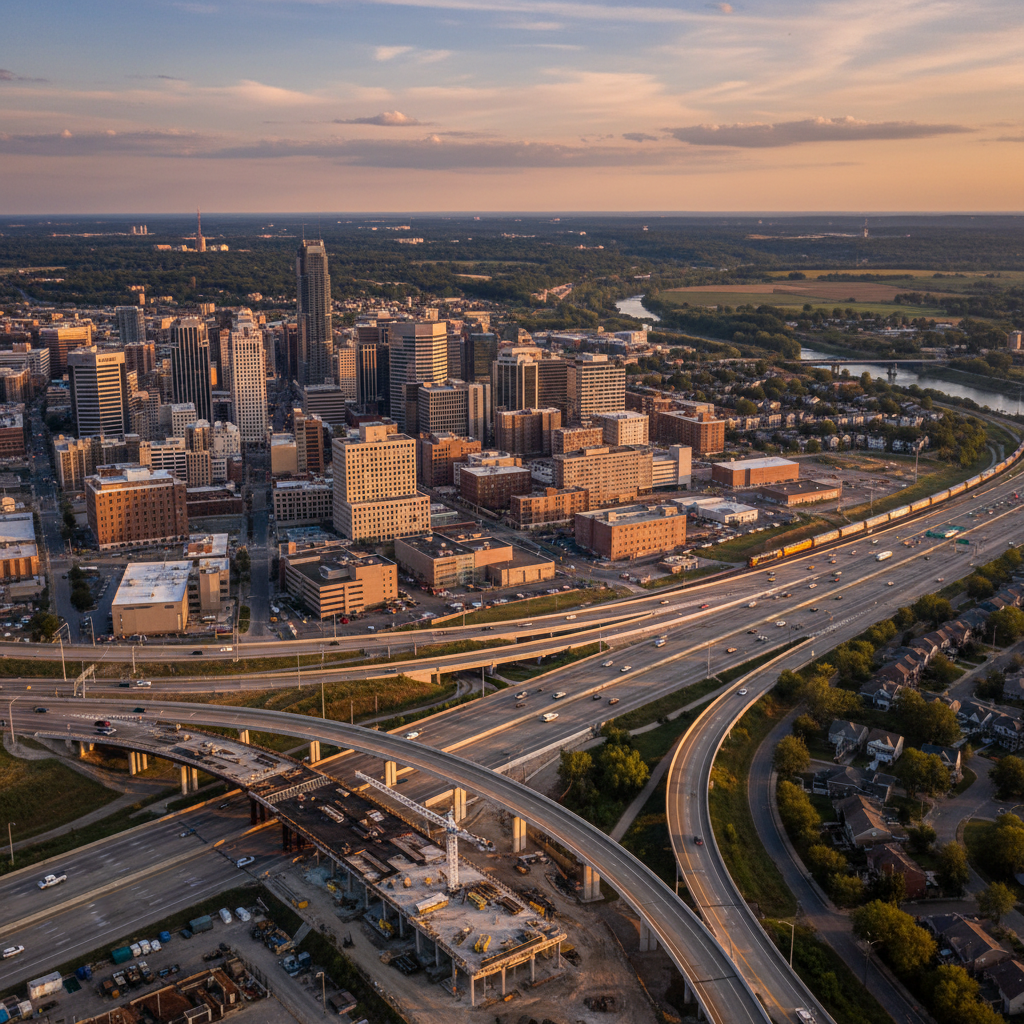
Civil engineers with a background in infrastructure projects find the EB-2 NIW (National Interest Waiver) to be one of the most strategic pathways to obtain a Green Card in the United States. Unlike other employment-based immigration categories, the EB-2 NIW allows the professional to self-petition, without the need for a job offer or labor certification. The central element is to demonstrate that the engineer’s work serves the American national interest, according to the criteria established by the 2016 precedent Matter of Dhanasar.
What Is the EB-2 NIW
The EB-2 NIW is a permanent residency visa category intended for professionals with an advanced degree or exceptional ability. The national interest waiver eliminates the requirement for a U.S. employer to sponsor the petition and conduct the labor certification (PERM) process. For civil engineers, this route is particularly relevant because infrastructure is recognized as a strategic priority in the United States.
The USCIS analysis is based on the three criteria defined by the Matter of Dhanasar precedent. The petitioner must demonstrate that:
- The proposed work has substantial merit and national importance
- The petitioner is well positioned to advance this work
- It is beneficial to the United States to waive the job offer and labor certification requirements
Projects related to urban mobility, sanitation, energy, climate resilience, and regional development tend to strongly align with these criteria. Proper strategic contextualization is essential for the immigration officer to understand the relevance of the engineer’s work.
Infrastructure Projects
USCIS does not only evaluate the technical execution of projects, but mainly the social, economic, and structural impact they generate. The petition presentation should go beyond technical data and highlight concrete and measurable benefits, such as:
- Economic development: job creation, stimulation of production chains, and attraction of investments to the region
- Quality of life: improvement of urban mobility, basic sanitation, access to clean water, and structural safety
- Environmental sustainability: mitigation of environmental impacts, energy efficiency, and adaptation to climate change
- Engineering innovation: use of new technologies, advanced materials, or differentiated construction methodologies
Projects carried out outside the United States can also be used in the petition, as long as their applicability and relevance to the American context are demonstrated. The key is to translate international technical experience into a narrative that directly connects the engineer’s work to the country’s national priorities.
Essential Documentation
The strength of an EB-2 NIW petition is directly linked to the quality and organization of the evidence presented. For civil engineers, the most relevant documents include:
- Plans, descriptive reports, and technical drawings of completed projects
- Contracts, technical responsibility terms, and detailed scopes of work
- Licenses, permits, and approvals issued by government agencies
- Technical reports, feasibility studies, and engineering assessments
- Budget analyses demonstrating resource optimization and efficiency
- Photographic and audiovisual records documenting the works
- Technical and independent recommendation letters from field experts
- Publications, presentations at technical conferences, and professional awards
Logical and objective organization of this material is fundamental for the immigration officer to understand the impact of the work without needing engineering expertise. Documents in foreign languages must be accompanied by certified English translations.
National Interest in the Petition
Demonstrating national interest is the core of the EB-2 NIW petition and requires directly connecting the projects to the strategic priorities of the United States. The petitioner must clearly answer fundamental questions: what structural problems does your work solve, what economic, social, or environmental impacts are generated, why is your experience unique and relevant, and how will your future work continue to benefit the country.
The narrative should avoid both excessive technical jargon without context and generic descriptions without concrete data. The ideal balance is to present technical information translated into terms of public benefit, supported by solid and measurable documentary evidence.
Common Mistakes
Even highly qualified professionals can have petitions denied due to strategic errors in presentation. Among the most frequent mistakes are vague or generic project descriptions, lack of direct connection to national interest, extensive but disorganized documentation, excessive focus on routine operational activities without demonstrating macro impact, and use of technical jargon without context for the non-specialist reader.
Avoiding these mistakes requires a strategic approach from the beginning of petition preparation. Each document and argument should be selected with the goal of building a coherent and convincing narrative about the engineer’s contribution to the American national interest.
Costs and Timelines
The EB-2 NIW petition is filed using form I-140 with USCIS, with a fee of $715. For those wishing to expedite the review, premium processing is available for $2,965, updated as of March 2026, and guarantees USCIS action within 45 business days. For adjustment of status within the United States, form I-485 has an additional cost of $1,440.
The total processing time varies depending on the complexity of the case and the volume of petitions at USCIS, and can take from a few months to over a year with regular processing. Civil engineers who properly document their projects and build a solid national interest narrative have excellent chances of approval in this category, which remains one of the most accessible pathways for infrastructure professionals seeking permanent residency in the United States.
Learn more about EB-2 NIW
- Category
- EB-2 NIW Green Card
- Self-petition
- Allowed (no sponsor needed)
- PERM
- Waived
- Processing
- 12-36 months
About the author

Victoria Harper
Editor-in-Chief
As a journalist and lead editor at Visto n’ Visa, Victoria helps ensure that immigration topics are covered in a clear, trustworthy, and easy-to-understand way. Her focus is on delivering useful, human, and relevant content for people exploring new paths abroad.