English
 Português
 Español


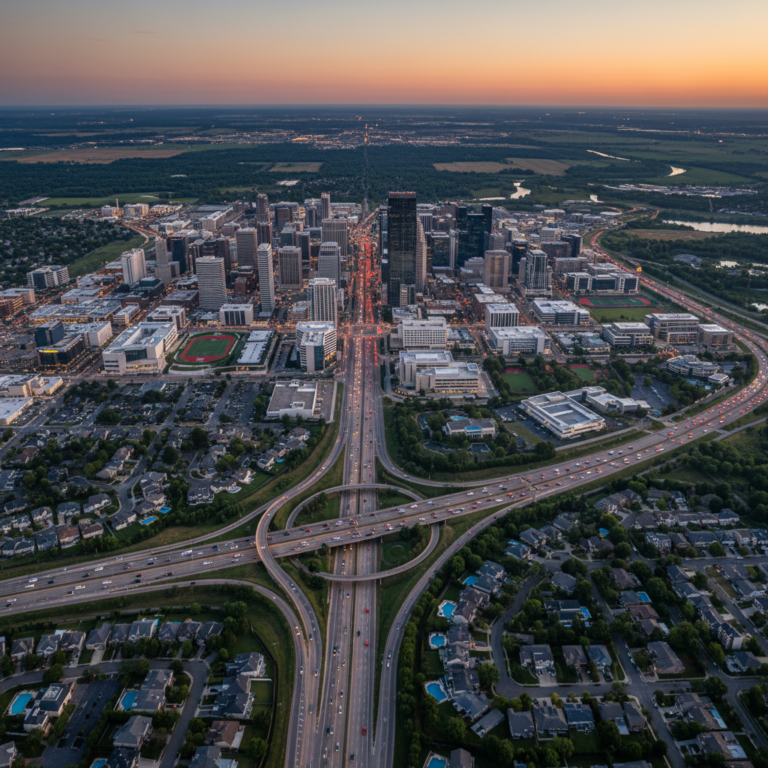
Silicon Valley no longer holds the monopoly on technological innovation in the United States. The rise of remote work, the prohibitive cost of living in California, and tax incentives from other states have redrawn the map of American technology. In 2026, cities like Austin, Miami, Raleigh, and Denver are aggressively competing for global talent, offering competitive salaries, mature startup ecosystems, and superior quality of life. For Brazilian professionals planning an international career, knowing these new hubs is as important as choosing the right visa category.
Driven by favorable tax policies, top-tier university infrastructure, and multi-billion-dollar investments in sectors like artificial intelligence and semiconductors, these innovation centers offer opportunities that combine promising careers with manageable living costs. This overview examines four of the most relevant hubs for Brazilian professionals in 2026.
Austin: The Silicon Hills
Austin has solidified its position as Silicon Valley’s main rival. Texas does not charge state income tax, which significantly increases the purchasing power of tech professionals. Giants like Tesla, Oracle, Google, and Apple maintain substantial operations in the city, while the startup ecosystem is fueled by billion-dollar investments from the CHIPS Act in semiconductors and artificial intelligence.
The average salary for a software engineer in Austin is approximately $144,000, with total compensation reaching $160,000 when including bonuses and benefits. The net growth of tech jobs in the city is projected at 4.4% for 2026-one of the highest in the country. The laid-back culture, vibrant music scene, and diverse cuisine make it easier for Brazilians relocating to the city to adapt.
Miami: Fintech and Web3
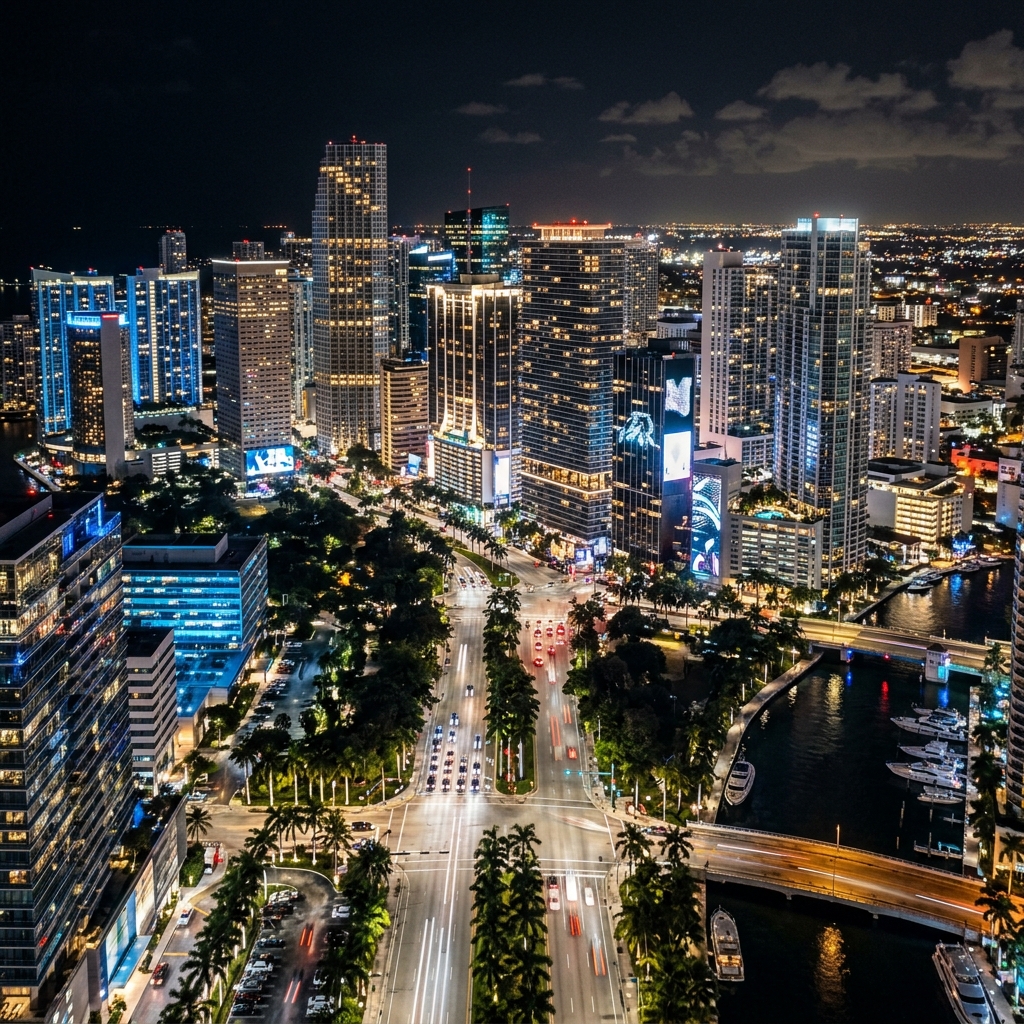
Miami has rapidly transformed into a hub for digital finance, cryptocurrencies, and Web3 technology. The city attracts startup founders, remote workers, and professionals in blockchain and cybersecurity, with employers valuing their international connections and the rapidly expanding digital economy. Florida is the fastest-growing tech market among the major U.S. states, with a projected 17% expansion.
The large Latin American community, direct flights to Brazil, and cultural familiarity make Miami a natural choice for Brazilians. Like Texas, Florida does not charge state income tax, which increases professionals’ net income. Miami’s tech ecosystem is fueled by a combination of venture capital, international events, and infrastructure geared toward global business, attracting product, engineering, and design professionals seeking a growing market with lower operating costs than the West Coast.
Raleigh: The Research Triangle
The Research Triangle Park, formed by the cities of Raleigh, Durham, and Chapel Hill in North Carolina, is one of the largest research and technology complexes in the world. Top universities like Duke, UNC, and NC State provide a constant pipeline of talent in software engineering, biotechnology, data science, and cybersecurity.
Apple announced an investment of over $1 billion to build an engineering center in Raleigh, with a projected creation of 3,000 jobs in machine learning, artificial intelligence, and software engineering. IBM, Cisco, and Lenovo also maintain a significant presence in the region. The average software engineer salary is $119,000-below the national average of $140,000, but the substantially lower cost of living results in competitive purchasing power. The region is known for its high concentration of PhD professionals and intense collaboration between universities and the private sector.
Denver and Boulder
The Denver and Boulder region in Colorado combines a robust tech industry with exceptional quality of life for those who value outdoor activities. The aerospace, renewable energy, software, and telecommunications sectors dominate the local market, and Denver records the fastest acceleration in artificial intelligence hiring among major U.S. cities.
The average software engineer salary in Denver is approximately $142,000. Colorado offers the best salary/cost of living ratio (2.36x) among high-salary states, with an average annual cost of living of $48,600. Tech job growth is projected at 3.2% for 2026, and the sector represents more than 9% of the region’s total workforce. Proximity to the Rocky Mountains attracts professionals who value a balance between career and an outdoor lifestyle.
Salaries and Cost of Living
Comparison among the hubs reveals a clear pattern: while Silicon Valley still offers the highest nominal salaries, real purchasing power often favors emerging cities. The national average for software engineers is $140,000, but housing costs in San Francisco can consume more than 40% of income-while in Austin or Raleigh this percentage drops to 20% to 25%.
Austin and Miami have the additional advantage of being in states with no income tax (Texas and Florida), which can mean a difference of $10,000 to $15,000 per year compared to states like California (13.3%) or New York (up to 10.9%). For Brazilian professionals used to Brazil’s tax burden, the absence of state tax is a significant attraction that directly impacts saving and investment power.
Connection with Work Visas
For Brazilians, the choice of city is directly linked to migration strategy. The main pathways for tech professionals include:
- H-1B: employer-sponsored temporary work visa, subject to an annual lottery with a cap of 85,000 slots. The presence of large employers in Austin and Raleigh increases the chances of sponsorship
- EB-2 NIW (National Interest Waiver): allows petitioning without an employer sponsor, demonstrating that the professional’s work serves the American national interest
- EB-1A (Extraordinary Ability): for professionals with proven exceptional achievements in their field, without the need for a job offer
- O-1: temporary visa for individuals with extraordinary ability in sciences, technology, business, or the arts
Demonstrating that your expertise is needed in one of these growth hubs and that you have a concrete plan to contribute to the local economy can significantly strengthen a merit-based petition, especially in the case of the EB-2 NIW. For categories like EB-2 NIW and EB-1A, a formal job offer is not a mandatory requirement-the most important thing is to document high-level qualifications and a clear plan of action in the United States. Researching these markets is not only strategic for your career; it is a part of the migration process that can be the difference between an approved and a denied petition.
Learn more about EB-2 NIW
- Category
- EB-2 NIW Green Card
- Self-petition
- Allowed (no sponsor needed)
- PERM
- Waived
- Processing
- 12-36 months
About the author

Victoria Harper
Editor-in-Chief
As a journalist and lead editor at Visto n’ Visa, Victoria helps ensure that immigration topics are covered in a clear, trustworthy, and easy-to-understand way. Her focus is on delivering useful, human, and relevant content for people exploring new paths abroad.