English
 Português
 Español


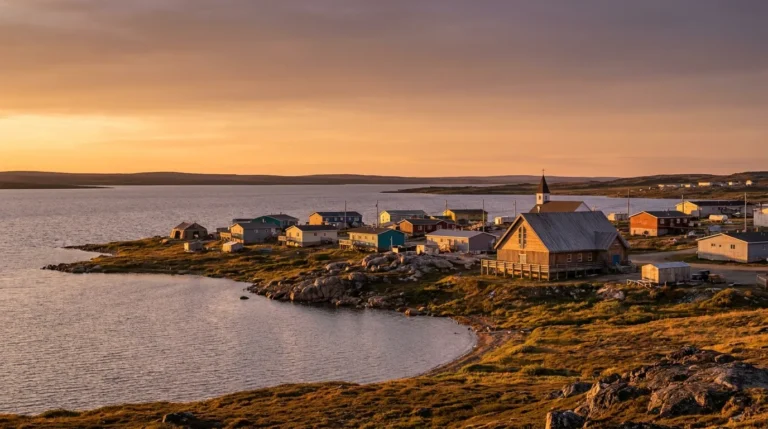
Inuit people make up the majority of the population, with four official languages
More than 85% of Nunavut's population is Inuit. The territory has four official languages: Inuktitut, Inuinnaqtun, English, and French, with the first two predominant in communities.
Nunavut is the only territory or province in Canada where an Indigenous population forms the majority. The Inuit, with their language, culture, spirituality, and relationship with the land, shape every aspect of public life in the territory. The Government of Nunavut has a legal mandate to incorporate Inuit practices and values, known as Inuit Qaujimajatuqangit, into its policies.
Inuit languages are part of daily life in communities, but English is the working language in Iqaluit and in professional contexts. The territorial government is the largest employer and has active efforts to increase Inuit representation in public positions. For non-Inuit immigrants working in the territory, learning basic elements of Inuktitut is a valuable gesture of respect.
Outside professionals, referred to as Qallunaat (non-Inuit) by locals, are common in healthcare, education, and government positions. Turnover in these positions is high, as isolation and climate conditions mean many professionals stay only for one- to two-year contracts. This creates a continuous opportunity for entry, but also requires genuine cultural adaptation.
- Inuktitut
- Inuinnaqtun
- English
- French
- Christianity (86%)
- No religion (13%)
- Traditional Indigenous religions (1%)