English
  Português
  Español
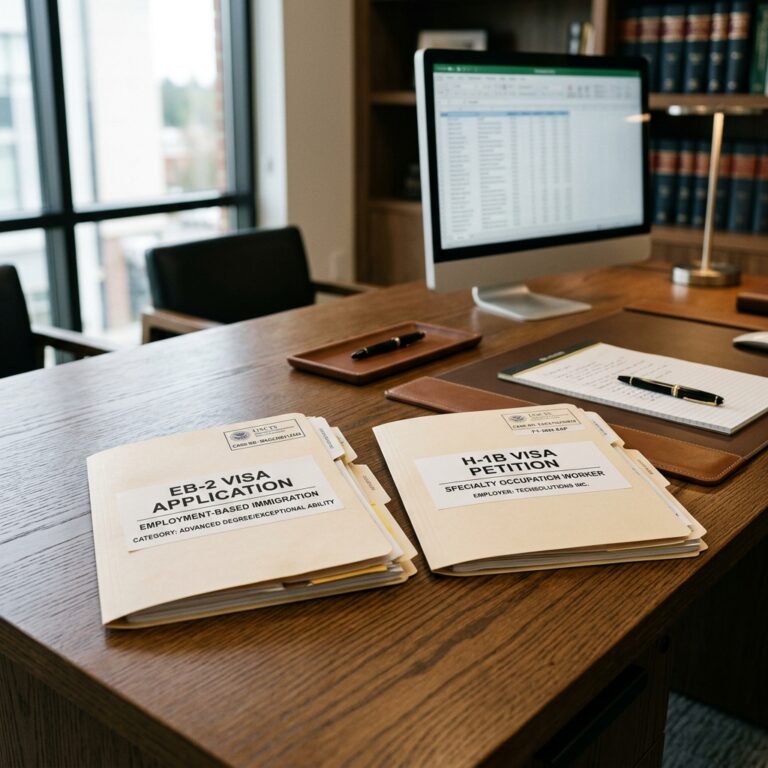
 The H-1B visa is intended for highly skilled professionals to work in specialized fields within the United States. Generally, the visa allows the employee to work for the sponsoring employer within the country, according to the conditions and location approved by immigration.
Regarding international remote work, the H-1B requires the professional to be physically present on U.S. soil. Working remotely outside the U.S. may not comply with the visa rules, as the authorization depends on the location specified in the petition.
Working outside the country can lead to tax, legal implications, and risks to the visa status. Changes to this routine should be evaluated cautiously and guided by specialists, respecting immigration laws. Promises of simplified solutions should be avoided.
In summary, the H-1B was not structured for international remote work, and any changes may require reassessment to avoid complications.
Learn more about H-1B Visa
- Initial validity
- 3 years
- Extension
- Up to 6 years total
- Annual cap
- 85,000 visas
- Processing
- 6-12 months

Victoria Harper
Editor-in-Chief
Leading journalism and editorial content at Visto n’ Visa, Victoria helps make immigration topics clear, trustworthy, and easy to understand. Her focus is on delivering useful, human, and relevant content for people exploring new paths abroad.