English
 Português
 Español


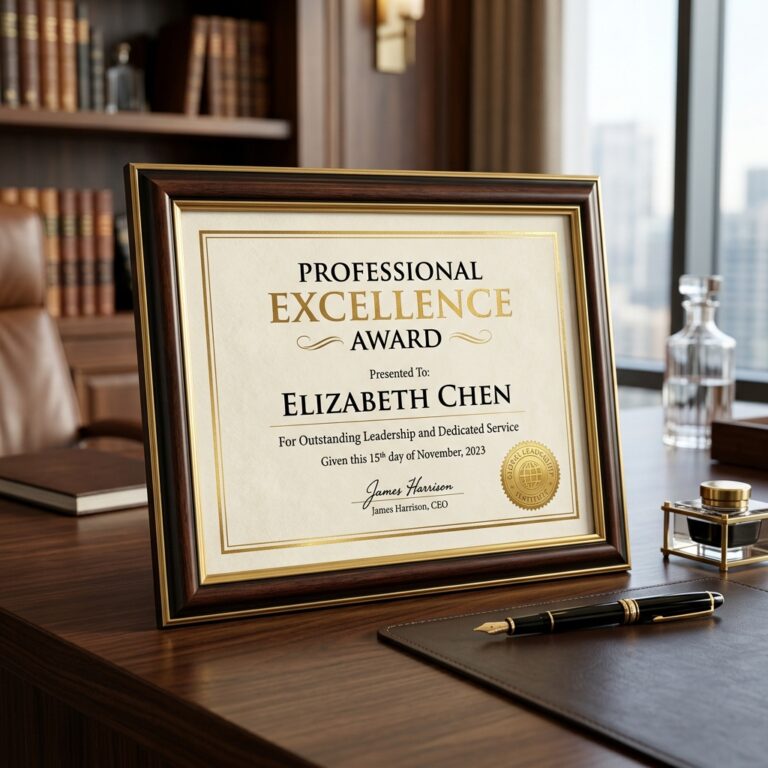
In the EB-1, there is no strict expiration date for the awards you present. An achievement received many years ago can indeed be part of your evidence package, as long as you can show why it remains relevant and what it says about your recognition in the field.
The key point is not the date itself, but the prestige and reach of the award. It helps to provide context about how it was granted, who awarded it, its significance in the sector, and how that recognition connects to your career today. An older but well-regarded award tends to add more weight than a recent but obscure one.
To strengthen this evidence, consider gathering:
- Documentation describing the criteria and significance of the award.
- Material showing the reach of the recognition (coverage, publications, peers).
- Context explaining how the achievement relates to your current work.
Keep in mind that awards are just one of the evidence pathways in the EB-1, evaluated as a whole and case by case. Since criteria can change, it is worth checking the updated guidance on the USCIS website and, if possible, reviewing your profile with a specialist before filing.
Learn more about EB-1
- Category
- EB-1 Green Card (1st priority)
- Requirement
- Extraordinary ability
- Self-petition
- Allowed (no sponsor needed)
- Processing
- 6-18 months
Tags
About the author

Victoria Harper
Editor-in-Chief
As a journalist and lead editor at Visto n’ Visa, Victoria helps ensure that immigration topics are covered in a clear, trustworthy, and easy-to-understand way. Her focus is on delivering useful, human, and relevant content for people exploring new paths abroad.