Visto n' Visa
Blog
Notícias e artigos
Destinations
Careers
Immigrants

Want to live and work in Marion?

Personalized immigration plan with eligible visas, costs, and next steps for your goal!

If you are not eligible, you will know exactly why and what to do to improve your approval chances.

Save up to 12 hours in meetings

No pointless assessments.

Save up to 90%

Save money on vague or unfocused consultations

Avoid Fraud and Mistakes

One mistake can cost you your visa

Total Impartiality

Zero commercial bias

Decide with peace of mind

No toxic urgency

Fast and Accurate

Answers in minutes, no guesswork

Explore Marion

Family-friendly suburb with a historic downtown in eastern Iowa

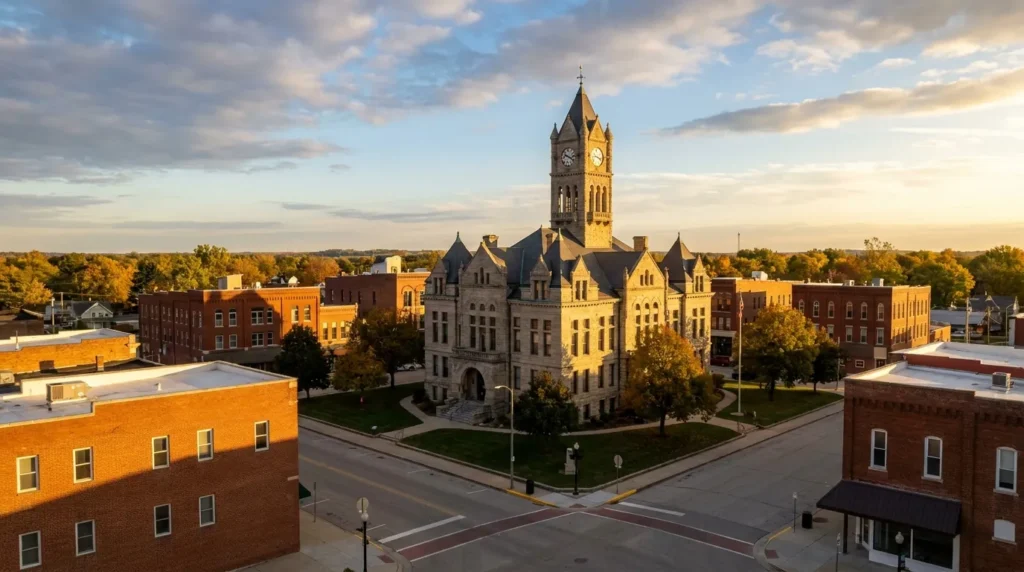
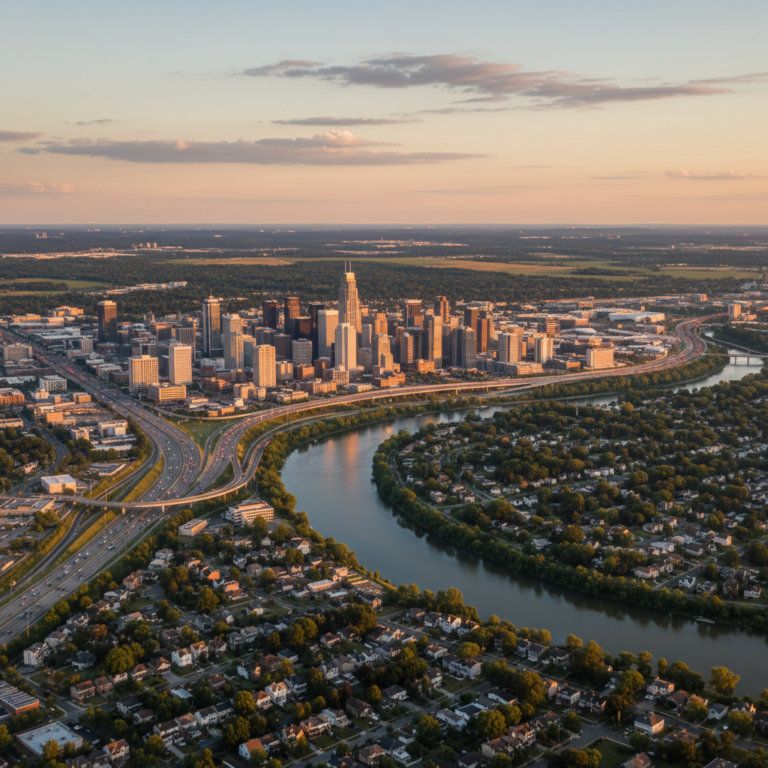
Marion is located in Linn County in eastern Iowa and serves in practice as the preferred residential side of the Cedar Rapids metropolitan area. The city combines tree-lined streets, suburban homes with yards, and a historic downtown district, Uptown Marion, that concentrates cafes, restaurants, and community events throughout the year.

Most residents who relocate here work in Cedar Rapids and return to Marion at the end of the day. The commute is short, typically under twenty minutes by car, and the appeal lies in the neighborhood feel: predictable routines, well-rated public schools, and housing costs lower than in large Midwestern cities.

The climate follows the pattern of the interior United States: long winters with snow, hot and humid summers, and a brief spring. For those arriving from tropical countries, the biggest adjustment comes during the months of December through February, when subzero temperatures become routine and homes need to be well heated.

42.0342°, -91.5977°

Who Lives in Marion

Predominantly a family city with a working middle-class profile, a strong presence of young families, and population growth driven by new residential developments.

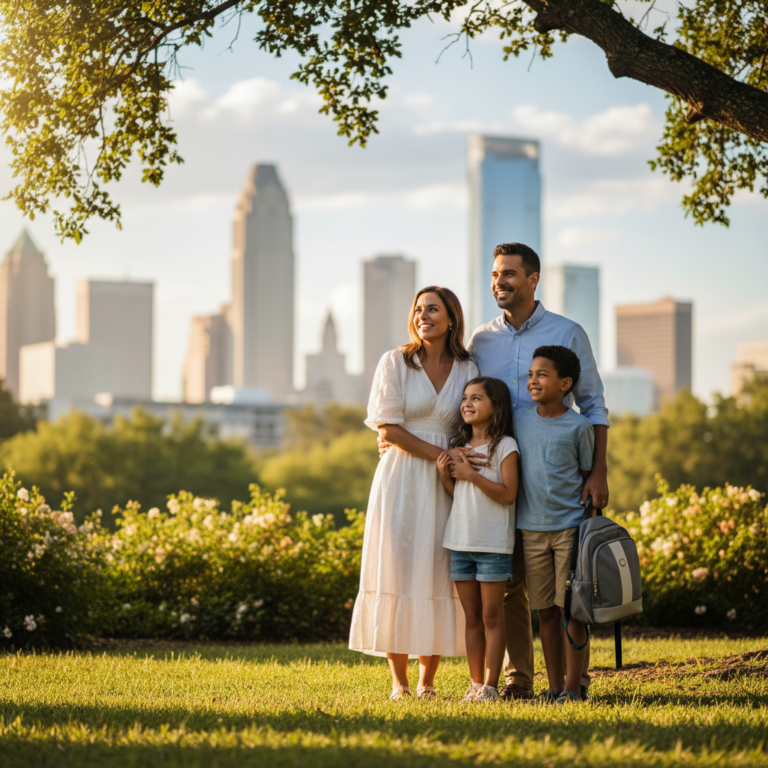
Marion grew rapidly over the past two decades and today exceeds forty thousand residents, attracting primarily families who work in Cedar Rapids but want calmer schools and neighborhoods. The dominant profile is young families with school-age children, alongside middle-aged professionals connected to healthcare, manufacturing, and technology.

The immigrant population remains small in absolute terms but has been growing steadily: families from Mexico, Central America, Southeast Asia (Vietnam, the Philippines), and refugees resettled through the federal program, including African and Middle Eastern communities that first arrived in Cedar Rapids and later expanded into Marion.

English is the dominant language in daily life, but Spanish, Vietnamese, and Arabic can be heard in schools and supermarkets. Christian churches (Lutheran, Catholic, Methodist) have a strong presence, and one of the oldest mosques in the United States is located in Cedar Rapids, serving the Muslim community in Marion as well.

Languages spoken
  • English
  • Spanish
  • Vietnamese
  • Arabic
Main religions
  • Christianity (Protestant)
  • Catholicism
  • Islam
  • No declared religion

A Comfortable Cost of Living by American Standards

Marion falls below the national average for cost of living in the United States, with accessible housing, affordable utilities and groceries, and few of the typical expenses associated with large cities.

The cost of living in Marion tends to run five to ten percent below the national American average. Housing represents the largest budget item, but even there prices are far more manageable than in coastal metropolitan areas: purchasing a three-bedroom family home remains realistic on a middle-class income.

Groceries, basic utilities, and fuel are close to the Midwestern average. Electricity and heating weigh more heavily in winter, as heating runs for months, so families accustomed to warm climates should budget between one hundred fifty and three hundred dollars per month in utilities during that season.

A car is essentially required. Relying solely on public transit in Marion is not practical, which means accounting for insurance, maintenance, fuel, and winter parking needs such as battery cables, ice scrapers, and in some cases snow tires. Health insurance is also a significant expense, generally covered in part by employers.

Marion

Housing in Marion: Single-Family Homes Remain the Norm

The market is dominated by single-family homes in new developments, with apartments concentrated near Uptown and along commercial corridors.

The housing profile in Marion is predominantly single-family homes with garages and yards, in planned developments expanding to the east and north of the city. Homes from the 1990s and 2000s are most common, with new construction taking place in areas such as Tower Terrace Road and the surroundings of Indian Creek.

Uptown Marion concentrates the rental supply: low-rise buildings, older homes converted into duplexes, and some loft options above retail spaces. Those who want to be within walking distance of restaurants and the farmers market typically look here. Larger apartment complexes are found along Highway 13 and Marion Boulevard.

For those arriving without an American credit history, the typical path is to start renting, build a payment record, and consider purchasing after two to three years. Local real estate agencies may accept a co-signer or a larger deposit in some cases. Neighborhoods such as Lowe Park, Boulder Creek, and Echo Hill are among the most sought after by families.

Recommended neighborhoods
  • Uptown Marion
  • Lowe Park
  • Boulder Creek
  • Echo Hill
  • Indian Creek
  • +1 more

A Job Market Tied to the Cedar Rapids Hub

Most employment opportunities are in Cedar Rapids, in sectors such as healthcare, manufacturing, technology, agribusiness, and insurance, while Marion itself offers retail, education, and local services.

Marion's job market does not operate in isolation: it is part of the Cedar Rapids metropolitan economy, one of the most important industrial hubs in the American Midwest. Healthcare (Mercy and UnityPoint systems), manufacturing, agricultural processing, insurance, and the transportation industry are the main pillars.

Within Marion itself, opportunities are concentrated in retail, restaurants, school districts (Marion Independent and Linn-Mar), municipal services, smaller health clinics, and small businesses. There is also a light industrial corridor along 7th Avenue and Highway 13, with logistics, metalworking, and food companies.

For those arriving from abroad, the most common path is to target positions in Cedar Rapids while living in Marion. Those with reasonable English, some technical qualifications, and availability for shift work can enter the manufacturing and logistics sectors with relative ease, as demand in those fields tends to be consistently high.

Dominant sectors
  • Healthcare
  • Manufacturing
  • Education
  • Retail and commerce
  • Logistics and transportation
  • +1 more
Major employers
  • Mercy Medical Center
  • UnityPoint Health
  • Linn-Mar Community School District
  • Marion Independent School District
  • City of Marion
  • +2 more

Education: Two Well-Regarded School Districts

Marion is served by two public districts with strong reputations (Linn-Mar and Marion Independent) and is close to major universities in Cedar Rapids and Iowa City.

One of the most frequently cited reasons families choose Marion is the quality of its public schools. The city is divided between two districts: Linn-Mar Community School District, the larger and rapidly growing one, and Marion Independent School District, smaller and more traditional. Both consistently rank well in statewide comparisons.

For children of immigrants, both districts offer ELL (English Language Learner) programs and support for students arriving without fluent English. Integration tends to be reasonably smooth in the early grades. Private and religious schools are available in the metropolitan area, with Catholic options particularly prominent in Cedar Rapids.

In higher education, Marion is less than half an hour from Kirkwood Community College, an excellent entry point for professional retraining, as well as Coe College and Mount Mercy University in Cedar Rapids. Iowa City, an hour away, is home to the University of Iowa, one of the most respected institutions in the American Midwest.

Notable universities
  • Kirkwood Community College (in Cedar Rapids)
  • Coe College (in Cedar Rapids)
  • Mount Mercy University (in Cedar Rapids)
  • University of Iowa (in Iowa City)
  • Cornell College (in Mount Vernon)

Healthcare: Two Major Hospital Systems Nearby

Solid healthcare access through Mercy Medical Center and UnityPoint Health in Cedar Rapids, with clinics, urgent care centers, and dentists spread throughout Marion.

Marion does not have a large hospital within the city limits, but residents are served by the two major Cedar Rapids healthcare systems located just minutes away by car: Mercy Medical Center and UnityPoint Health St. Luke's. Both offer emergency care, surgery, oncology, maternity services, and specialties.

Within the city itself there are numerous primary care clinics, private practices, dentists, physical therapists, and urgent care centers that handle most everyday needs: flu treatment, minor injuries, pediatric visits, and vaccinations.

As throughout the United States, access depends heavily on health insurance coverage. Those arriving through formal employment typically receive coverage through their employer. Self-employed individuals can purchase plans through the federal marketplace (Healthcare.gov), and low-income families may qualify for Medicaid (Iowa Health and Wellness Plan). Understanding one's plan before scheduling appointments is essential.

Marion

Safety: A City Considered Calm by American Standards

Marion has crime rates below the national average, with occasional incidents involving petty theft and domestic matters, but no areas regarded as dangerous.

By American city standards, Marion is considered safe. Violent crime is rare, and most police incidents involve petty theft (unlocked cars, open garages), domestic disputes, and traffic violations. There are, in practice, no neighborhoods within the city that carry a reputation for danger.

Police presence is visible and the community tends to be familiar with itself, particularly in residential developments. Families allow children to walk to school in many neighborhoods, and municipal parks are used without significant concern. On weekend evenings, Uptown sees activity, but within a generally calm profile.

Standard precautions apply as in any American city: locking vehicles, not leaving bags visible, and being aware of surroundings at ATMs. Those arriving from large cities in Latin America or Brazil often find the level of calm surprising, but maintaining basic vigilance remains advisable, particularly in large retail parking lots at night.

Safer neighborhoods
  • Uptown Marion
  • Lowe Park
  • Boulder Creek
  • Echo Hill
  • Tower Terrace
  • Indian Creek
Areas to avoid
  • Industrial areas along 7th Avenue at night
  • Isolated stretches near Highway 13 during late hours

Getting Around: A Personal Vehicle Is Practically Required

Marion is designed around the car, with limited public transit, good highway connections, and a regional airport nearby in Cedar Rapids.

Marion is a car-oriented city. Streets are wide, neighborhoods are spread out, and most commercial activity is located along corridors that are far from walkable. Households typically own one car per working adult, and those living without a car face real limitations in daily life.

Public transit exists, primarily through Cedar Rapids Transit, which operates a few lines connecting Marion to Cedar Rapids, but with limited schedules and low frequency. For regional travel and national flights, Eastern Iowa Airport (CID) in Cedar Rapids is about thirty minutes away by car and offers service to hubs such as Chicago, Denver, Dallas, and Atlanta.

One positive aspect is the network of bike paths and multi-use trails, particularly the CeMar Trail connecting Cedar Rapids to Marion and the Grant Wood Trail. In summer, bicycles can be used for short trips. In winter, with snow and ice on the ground, cycling becomes an activity reserved for the most dedicated riders.

Airports
  • CID -- Eastern Iowa Airport (Cedar Rapids)
  • Bike infrastructure

Climate

Marion

Local Culture: Quiet Midwest, Festivals, and a Vibrant Uptown

A cultural scene built around community festivals, downtown life, school sports, and agricultural tradition, with a full calendar of events in Uptown Marion.

Cultural life in Marion revolves around community events and the historic downtown district. Uptown Marion has become in recent years the social heart of the city, with restaurants, coffee shops, craft breweries, a weekly summer farmers market, and year-round festivals, including the Swamp Fox Festival at the end of summer.

School sports (football and basketball for the Linn-Mar Lions and Marion Indians) bring families together on autumn Friday nights and winter evenings. The region has a strong historical connection to artist Grant Wood, creator of American Gothic, who was born nearby, and that heritage appears in galleries, events, and place names throughout the area.

Local cuisine follows the Midwestern tone: tenderloin sandwiches, sweet corn in season, farm-to-table cooking, and weekend barbecue. Cedar Rapids, fifteen minutes away, is home to the most prominent Czech community in the United States, with a museum, restaurants, and the Houby Days festival, which many Marion residents attend.

Notable dishes
  • Iowa pork tenderloin sandwich
  • Sweet corn in season
  • Hot dish (casserole)
  • Rib barbecue
  • Maid-Rite (loose meat sandwich)
Annual events
  • Swamp Fox Festival
  • Uptown Friday Nights
  • Marion Farmers Market
  • Marion Arts Festival
  • Holiday Lighting Ceremony

Things to Do in Marion and the Surrounding Area

A mix of expansive parks, trails, a historic downtown, community events, and easy access to cultural attractions in Cedar Rapids.

The main draw of Marion is outdoor life. Lowe Park, with its pavilion, sculptures, and extensive green spaces, is the heart of the city's events. Thomas Park and Willowood Park round out the options for picnics, playgrounds, and walking. In summer, the municipal pool and sports fields are heavily used.

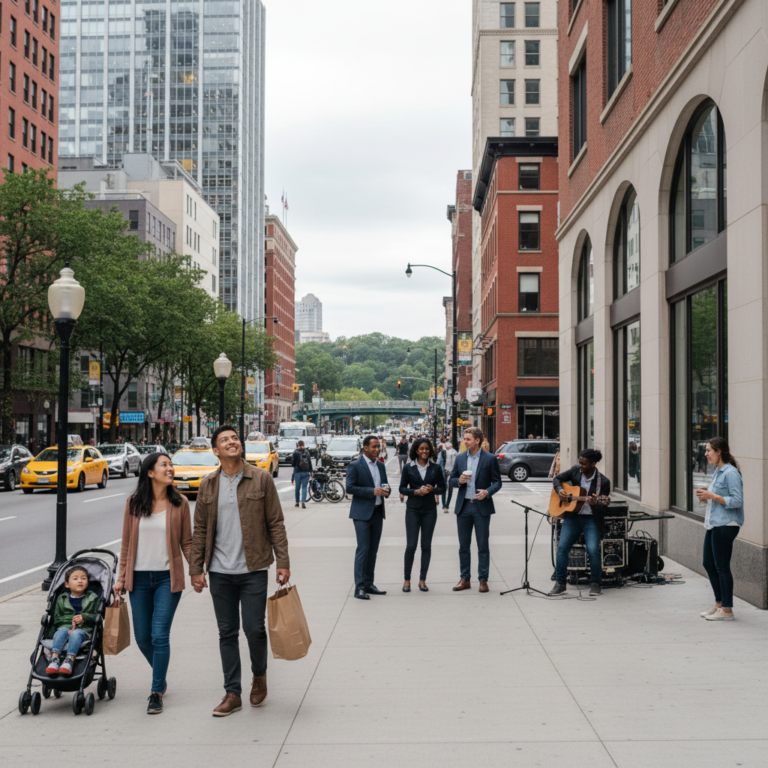
Uptown Marion concentrates the urban leisure options: boutique shops, coffee shops, craft breweries, family restaurants, and events such as Uptown Friday Nights with live music. Trails such as the CeMar Trail and the Grant Wood Trail allow walking or cycling through neighborhoods and even reaching Cedar Rapids without a car.

A few minutes away in Cedar Rapids, a broader cultural offer is available: the National Czech and Slovak Museum, the Cedar Rapids Museum of Art (home to the world's largest Grant Wood collection), the Paramount Theatre, NewBo City Market, and Brucemore, a historic mansion with gardens. Families also enjoy the Kirkwood Center for the Performing Arts.

  1. 1Lowe Park
  2. 2Uptown Marion Historic District
  3. 3CeMar Trail
  4. 4Grant Wood Trail
  5. 5Thomas Park
  6. 6Marion Heritage Center
Parks & green spaces
  • Lowe Park
  • Thomas Park
  • Willowood Park
  • Donnelly Park
  • Faulkes Heritage Woods
  • +1 more

Immigrant Communities in Marion and Cedar Rapids

A still-modest but growing immigrant presence within Marion, supported by the broader network of the Cedar Rapids metropolitan area, with several welcoming organizations.

Marion has an immigrant community that remains modest in absolute numbers but has grown steadily over the past two decades. The main profile includes families from Mexico, Central America (Guatemala, El Salvador, Honduras), Vietnam, the Philippines, and more recently African and Middle Eastern communities resettled through the federal refugee program.

Much of the immigrant support infrastructure is concentrated in neighboring Cedar Rapids and serves Marion residents as well. Located there are Catholic Charities of the Archdiocese of Dubuque, the resettlement program of Lutheran Services in Iowa, the regional office of the Catherine McAuley Center (offering English classes and basic legal support), and community organizations connected to various churches and mosques.

For those arriving, the typical path passes through Cedar Rapids before settling in Marion once employment and family situations stabilize. Public school tends to be the first entry point for children, and major regional employers have experience hiring documented immigrant workers in healthcare, manufacturing, and agricultural processing.

2,200
Foreign-born residents
estimated
Top countries of origin
  • Mexico
  • Vietnam
  • Guatemala
  • El Salvador
  • Philippines
  • India
  • Honduras
  • Democratic Republic of the Congo
Foreign consulates
  • Mexican Consulate in Omaha (jurisdiction)
  • Honorary Consulate of Guatemala in Iowa
  • Honorary Consulate of Vietnam (regional jurisdiction)
  • Mexican Consulate General in Chicago (superior jurisdiction)
Community organizations
  • Catholic Charities of the Archdiocese of Dubuque
  • Lutheran Services in Iowa (Refugee Services)
  • Catherine McAuley Center
  • Intercultural Center of Iowa
  • Iowa Migrant Movement for Justice (Cedar Rapids office)

Latest posts

Straight from the blog

There are no posts specifically about Marion yet. In the meantime, check out our latest posts.