 English
  Português
  Español
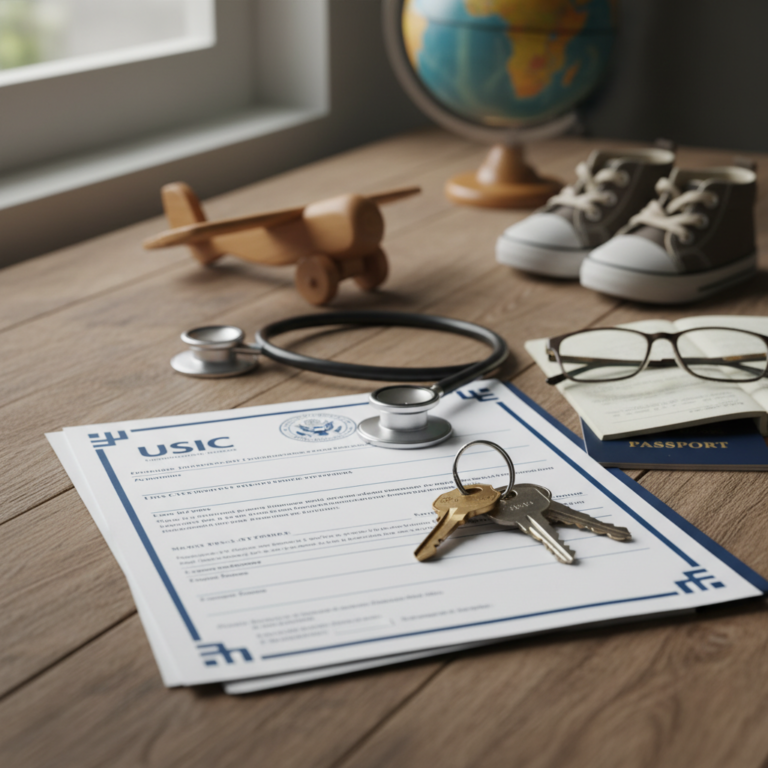
 The IR1 visa is intended for spouses of American citizens, and, as part of the evaluation process, it is common for biometric data to be requested. This step aims to confirm the applicant”s identity and conduct security checks, which are essential for compliance with United States immigration laws.
During the process, the IR1 visa applicant will generally need to attend a session where fingerprints and photographs will be collected. This information helps create a secure record and allows authorities to verify whether the candidate has any security or immigration-related impediments.
Therefore, it is important to be prepared to undergo this data collection, according to the scheduling and guidelines provided by the consulate or embassy. It is worth emphasizing that strictly following the process requirements and completing all steps – including biometrics – is crucial.
This not only ensures compliance with United States immigration legislation but also prevents setbacks or misunderstandings that can complicate the progress of the process. In all cases, it is essential to seek updated information from official authorities or reliable sources, thus avoiding scams or marketing campaigns that promise unproven results.
If specific doubts arise or if someone faces difficulties during the process, it is advisable to consult directly the official guidelines provided by the United States Department of State or by American consulates and embassies, so that all steps are properly fulfilled.
Learn more about IR-1 Visa
- Type
- Permanent Green Card
- Sponsor
- U.S. citizen spouse
- Cap
- No limit (immediate relative)
- Processing
- 12-36 months

Victoria Harper
Editor-in-Chief
Leading journalism and editorial content at Visto n’ Visa, Victoria helps make immigration topics clear, trustworthy, and easy to understand. Her focus is on delivering useful, human, and relevant content for people exploring new paths abroad.