
 English
  Português
  Español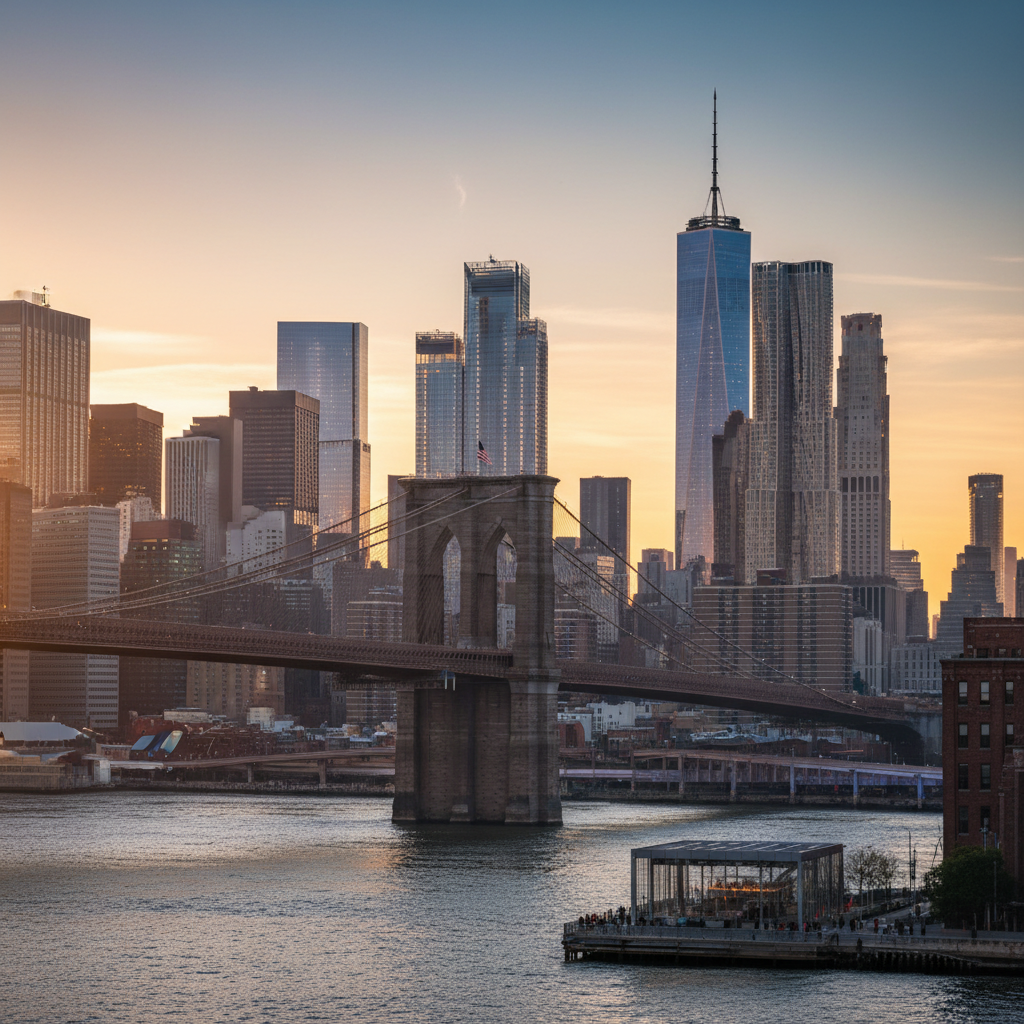
New York City remains one of the most sought-after destinations for Brazilians pursuing international careers, elite academic degrees, or simply a life in one of the world’s cultural capitals. Before booking a flight, however, it’s essential to understand three variables that determine whether the move succeeds: the real monthly budget, the neighborhood that fits your lifestyle, and the immigration status that allows you to work and rent with confidence. This guide provides an updated overview for 2026, with real rent ranges and legal considerations that often go unnoticed.
What Living in New York City Means Today
The city is home to approximately 8.3 million residents across five boroughs (Manhattan, Brooklyn, Queens, the Bronx, and Staten Island) and hosts one of the largest immigrant communities in the world. For Brazilians, this means easy access to support networks, restaurants, Portuguese-language churches, Latin grocery stores, and bilingual professionals. On the flip side, the pace is intense, winters are harsh from December through March, and the cost of living is consistently among the highest in the United States.
Unlike smaller cities, New York City runs on public transportation. The subway operates 24 hours a day, seven days a week, and the unlimited monthly pass through the OMNY system costs $132 in 2026. Most residents don’t own a car, which reduces expenses on insurance, gas, and parking — but requires patience with longer commutes.
Average Cost of Living in 2026
Rent is, by far, the largest expense. Average rents for one-bedroom apartments, based on 2026 market data, are:
- Astoria (Queens): $2,400–$2,900
- Jackson Heights (Queens): $2,000–$2,500
- Sunnyside (Queens): $2,300–$2,700
- Williamsburg (Brooklyn): $3,200–$4,200
- Park Slope (Brooklyn): $3,000–$3,800
- Upper West Side (Manhattan): $3,400–$4,500
- Midtown and Financial District (Manhattan): $3,800–$5,200
Beyond rent, a typical single adult’s monthly budget includes utilities and internet ($150–$220), groceries ($450–$700), public transit ($132), individual health insurance through the state marketplace ($350–$700, depending on age and income), and social spending. Couples and families need to scale these figures and factor in daycare or private school, since spots in public schools are assigned based on residential address.
Landlords typically require proof of annual income equal to 40 times the monthly rent, or a guarantor with income equal to 80 times. For newcomers with no U.S. credit history, services like Insurent or The Guarantors act as institutional guarantors for a fee ranging from 70% to 110% of one month’s rent.
Neighborhoods That Work for Brazilians
Astoria, Queens
An established Brazilian community with bakeries, restaurants, and grocery stores carrying products from Brazil. The N and W subway lines connect to Midtown in about 25 minutes. Competitive rents for city standards and tree-lined residential streets make it a popular choice for families and early-career professionals.
Sunnyside and Woodside, Queens
Even more affordable alternatives to Astoria, with a strong Latin American presence. The 7 train connects directly to Manhattan and Grand Central. A solid balance of price, safety, and diversity.
Williamsburg, Brooklyn
A trendy neighborhood with vibrant nightlife, specialty coffee shops, and a thriving creative scene. The top pick for young tech and fashion professionals. Rents are high and apartments tend to be small, but the proximity to Manhattan and the cultural offerings make it worth it for many.
Upper West Side, Manhattan
More residential in character, with Central Park and Riverside Park nearby, well-regarded schools, and museums within walking distance. A great fit for families with children and professionals in more advanced stages of their careers.
Jersey City and Hoboken, New Jersey
Technically outside New York City, but the PATH train crosses the Hudson in minutes. Rents run up to 25% lower than Manhattan and Brooklyn, with riverside parks and a high quality of life. Worth exploring for those who work in the Financial District.
Visas That Allow You to Live and Work in New York City
Living legally requires a valid immigration basis. The most common routes for Brazilians are:
- F-1 for studies at U.S. universities, with the option to work through OPT after graduation.
- H-1B for professionals with a bachelor’s degree or higher in specialty occupations, subject to the annual lottery administered by USCIS.
- L-1 for intracompany transfers at multinational companies.
- O-1 for individuals with extraordinary ability documented in science, arts, business, or athletics.
- EB-2 NIW for permanent residence based on national interest, with no job offer requirement.
- EB-5 for investors with qualifying capital.
Tourist visas (B-1/B-2) and ESTA waivers do not authorize paid employment or extended stays for residency purposes. Attempting to use these categories as a bridge typically leads to complications at border control on future trips.
Mistakes That Most Often Delay the Move
- Underestimating the budget. Run the numbers including the security deposit (usually one month’s rent), first month’s rent, guarantor fee, and startup expenses. Keep at least six months of living expenses in your account before you leave.
- Signing a lease without reading it. Clauses covering early termination, rent increases, and repair responsibility vary by unit. In apartments under rent stabilization, annual increases are capped by state law.
- Ignoring credit history. Without a U.S. credit score, most landlords require a guarantor or prepayment of several months’ rent. Building credit takes time and typically starts with a secured credit card.
- Overlooking health insurance. Emergency care without coverage can easily exceed $5,000 for a single visit. Check whether your employer offers a plan and how much it costs to add dependents.
- Underestimating your English level. Even in neighborhoods with a strong Brazilian presence, essential activities — banking, school, medical appointments, contracts — happen in English. Reaching an advanced level before the move prevents professional setbacks in the first few months.
Settling In During the First Few Months
The first 90 days tend to be the most intense. Opening a bank account, obtaining a Social Security number (when applicable), getting a phone with a local plan, and identifying a reliable network of Brazilian professionals are top priorities. Immigrant communities on social media and in online groups regularly share updated information on schools, bilingual doctors, and job opportunities.
Those arriving with children should register for a public school spot as early as possible, since placement depends on the residential address confirmed by a lease or utility bill. Schools offer programs for students still learning English (English as a New Language), and the transition tends to go faster for younger children than for teenagers.
New York City rewards those who arrive prepared. With a realistic budget, solid immigration status, and the flexibility to adjust expectations in the first few months, the move can be one of the most transformative decisions of a professional and personal journey.

Victoria Harper
Editor-in-Chief
Leading journalism and editorial content at Visto n’ Visa, Victoria helps make immigration topics clear, trustworthy, and easy to understand. Her focus is on delivering useful, human, and relevant content for people exploring new paths abroad.